A post-surgery care checklist is a systematic guide outlining the critical actions patients must follow after an operation to support healing and prevent complications. Whether you have undergone a procedure under local or general anaesthetic, the period immediately after surgery carries the greatest risk of setbacks. NHS guidelines, BAAPS standards, and NICE recommendations all emphasise that structured aftercare, not the operation itself, determines the quality of your final result. This guide draws on those standards and the clinical experience of Professor Sandip Hindocha, GMC-registered Consultant Plastic Surgeon and NHS Clinical Director, to give you a clear, evidence-based post-operative care guide you can act on from day one.
1. What does a post-surgery care checklist cover?
A surgical aftercare checklist addresses every phase of recovery, from the first hours after you leave theatre to your final follow-up appointment. The checklist is not a single document. It is a living set of instructions that evolves as your healing progresses.
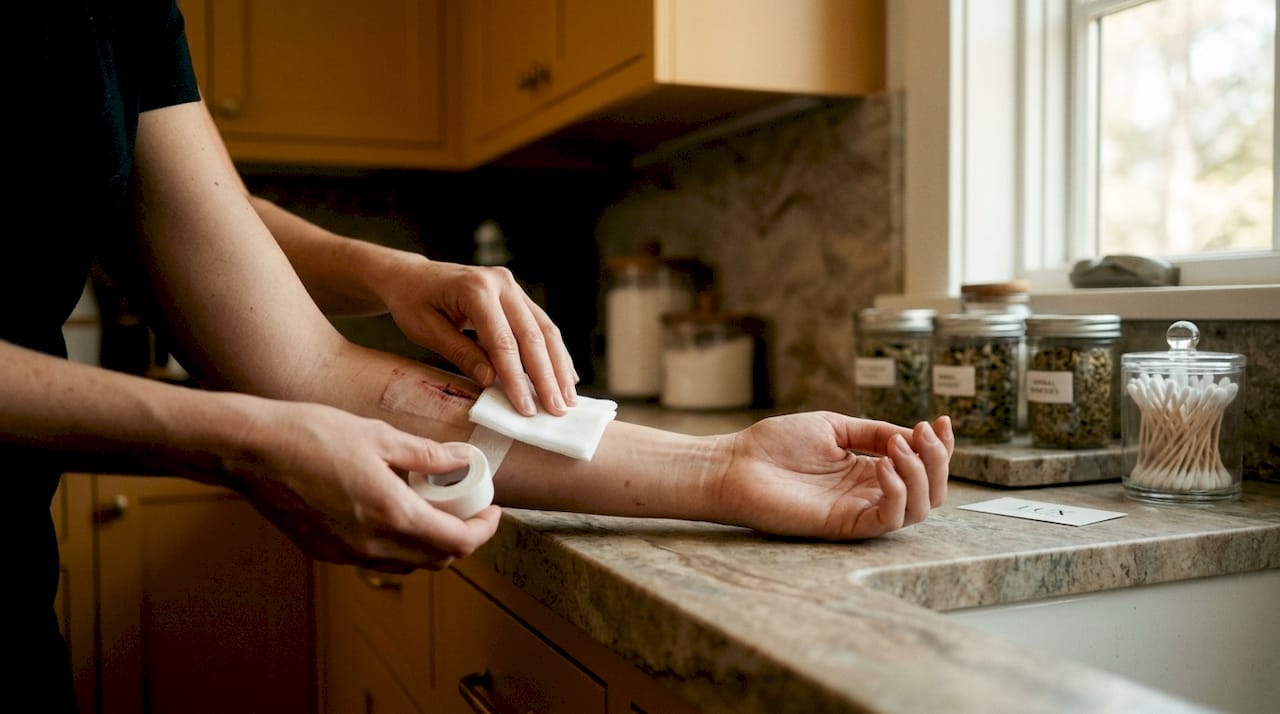
The core areas are pain management, wound care, mobility, nutrition, complication monitoring, and follow-up scheduling. Skipping any one of these areas creates gaps that can lead to infection, delayed healing, or re-injury. A well-structured patient recovery checklist closes those gaps before they open.
2. Managing pain: the right approach from day one
Scheduled pain relief is more effective than taking medication only when pain becomes unbearable. Taking analgesics at regular intervals, as prescribed, prevents pain from escalating and keeps you comfortable enough to move gently and breathe deeply.
Do not wait until pain is severe before taking your next dose. Pain that is allowed to build is harder to bring back under control. Follow the timing on your discharge prescription precisely, and contact your surgical team if prescribed medication is not providing adequate relief within the first 48 hours.
Pro Tip: Set phone alarms for each medication dose during the first three days. Patients who miss doses in the early recovery phase consistently report higher pain scores and slower return to normal activity.
3. Wound care after surgery: cleaning, dressing, and monitoring
Wound care after surgery is the single most direct way to prevent infection. Local anaesthetic sites remain numb for 2–3 hours after a procedure, and minor oozing within the first 24 hours is normal. This means you may not feel discomfort at the wound site even when early changes are occurring.
Keep the wound dry and covered according to your discharge instructions. Change dressings only when directed, using clean hands and sterile materials. If bleeding becomes heavy, apply firm, sustained pressure for five minutes before seeking medical advice. Never remove a dressing to “check” the wound more frequently than instructed, as repeated exposure increases infection risk.
4. Adult supervision after general anaesthesia
Anaesthetic effects last 24–48 hours after a general anaesthetic. This means your judgement, coordination, and reaction times remain impaired well beyond the point at which you feel alert. Patients must have a responsible adult with them for the full first 24 hours post-procedure.
This is not a precaution you can negotiate around. During this window, you must not drive, operate machinery, make significant decisions, or be left alone. Arrange your supervision before your admission date, not on the day of discharge. For more on how anaesthesia affects your body during recovery, the role of anaesthesia in cosmetic surgery is explained in detail on the Lux Plastic Surgery website.
5. How should patients prepare their home before surgery?
Recovery is not linear, and patients consistently underestimate how much fatigue affects their ability to manage basic tasks. Preparing your home before your admission date removes the burden of decision-making when your energy is lowest.
A practical home preparation checklist includes:
- Rest area: Set up a single, comfortable recovery space on the ground floor if possible. Remove trip hazards such as loose rugs, cables, and low furniture.
- Supplies: Stock prescribed medications, spare dressing materials, antiseptic wipes, and a thermometer before your procedure date.
- Food and drink: Prepare easy meals in advance. High-fibre foods reduce the risk of constipation, which can strain healing wounds and delay recovery.
- Support network: Arrange a named person for transport home, meal preparation, and household tasks for at least the first week.
- Communication: Keep your surgical team’s contact number, your GP’s number, and the nearest urgent care centre number written in one accessible place.
The goal is to remove every foreseeable obstacle before you need to manage it while in pain or fatigued.
6. What lifestyle adjustments aid recovery after surgery?
Behavioural changes during recovery are as clinically significant as medication. The following adjustments reduce complication rates and support tissue repair.
Avoid heavy lifting for at least four weeks. Heavy lifting post-surgery risks wound dehiscence and re-injury. This applies to shopping bags, children, and gym equipment equally. Four weeks is a minimum, not a target.
Stop smoking before and after surgery. Smoking constricts blood vessels and reduces oxygen delivery to healing tissue. Nicotine impairs collagen synthesis, which is the structural protein your body uses to close wounds. Cessation before surgery and throughout recovery is a clinical requirement, not a preference.
Resume driving only when you are pain free. Driving safely after surgery typically takes 1–2 weeks. You must be able to perform an emergency stop without hesitation. Driving before this point may invalidate your insurance and puts other road users at risk.
Prioritise hydration and a balanced diet. Protein supports tissue repair. Vitamin C aids collagen formation. Adequate fluid intake reduces the risk of urinary tract infections, which are more common post-operatively. Aim for at least 1.5 litres of water daily unless your surgical team advises otherwise.
Manage sleep and fatigue actively. Fatigue after surgery is physiological, not psychological. Your body is directing significant energy toward healing. Short rest periods throughout the day are more effective than attempting to maintain a normal schedule and failing.
Pro Tip: Plan your first two weeks as if you will be operating at roughly half your normal capacity. Patients who overestimate their early recovery speed are the ones most likely to overexert and set themselves back.
For more detail on quicker healing after surgery, Lux Plastic Surgery has published practical guidance on the most effective aftercare behaviours.
7. Early mobilisation: why bed rest is not the answer
The greatest misconception in post-operative care is that rest means staying in bed. Early gentle mobilisation promotes blood circulation and prevents serious complications including deep vein thrombosis and chest infections. Prolonged bed rest does the opposite.
NHS physiotherapy guidelines recommend sitting out of bed for at least six hours daily and walking a minimum of 60 metres four times a day, beginning the day after surgery. These are not aspirational targets. They are clinical benchmarks designed to keep your cardiovascular and respiratory systems functioning while your wound heals.
Start with short, slow walks around your home. Increase distance gradually over the first week. If walking causes sharp pain at the wound site, contact your surgical team rather than stopping all movement entirely.
8. How to recognise warning signs and complications
Knowing which symptoms require urgent attention is a non-negotiable part of any patient recovery checklist. Most patients experience some discomfort, bruising, and swelling in the first week. These are expected. The following signs are not.
Contact your GP or surgical team promptly if you notice:
- Redness or swelling that is spreading beyond the wound edges
- A bad odour from the wound site
- Persistent or increasing discharge that is yellow, green, or cloudy
- A rising temperature above 38°C
- Pain that is worsening rather than gradually improving after the first 48 hours
Signs of post-operative infection include spreading redness, bad wound odour, persistent discharge, and increasing pain. These symptoms require prompt contact with your GP or surgical clinic, not a “wait and see” approach.
Call 999 or go to your nearest A&E immediately if you experience: chest pain, sudden shortness of breath, a leg that becomes hot, red, and swollen, or heavy bleeding that does not stop after five minutes of sustained pressure. These may indicate a pulmonary embolism, deep vein thrombosis, or significant haemorrhage, all of which are medical emergencies.
9. What follow-up care and documentation should patients maintain?
Scheduled follow-up appointments are not optional extras. They are the mechanism through which your surgical team confirms that healing is progressing correctly and identifies problems before they become serious.
A practical follow-up plan includes:
- Book your first post-operative review before you leave hospital. Do not assume the clinic will contact you. Confirm the date, time, and location in writing.
- Keep a daily symptom log. Note your pain score out of ten, any changes at the wound site, your temperature, and your medication times. This log gives your surgical team the information they need to make accurate decisions at your review.
- Document all medications taken. Include the dose, time, and any side effects. Bring this record to every appointment.
- Obtain a fit note from your GP if you need to notify your employer of your absence. Do this within the first week to avoid administrative delays.
- Confirm insurance coverage. If your procedure was performed privately, verify what your insurer covers for post-operative complications and follow-up appointments before your admission date.
Good documentation protects you. It also gives your clinical team the clearest possible picture of your recovery trajectory. The importance of aftercare for surgical results is well established, and consistent follow-up is the practical expression of that principle.
Key takeaways
Structured post-operative care, covering pain management, wound monitoring, early mobilisation, nutrition, and timely follow-up, is the primary determinant of a safe and successful surgical recovery.
| Point | Details |
|---|---|
| Schedule pain relief | Take analgesics at regular intervals as prescribed, not only when pain becomes severe. |
| Prepare your home in advance | Remove trip hazards, stock supplies, and arrange named support before your admission date. |
| Move gently from day one | Sit out of bed for six hours daily and walk 60 metres four times a day starting the day after surgery. |
| Know the infection signs | Spreading redness, bad odour, persistent discharge, or a temperature above 38°C require prompt medical contact. |
| Document everything | Keep a daily symptom and medication log and bring it to every follow-up appointment. |
What I have learned from watching patients recover
Recovery after surgery reveals a consistent pattern. The patients who do best are not the ones with the highest pain tolerance or the fastest physical recovery. They are the ones who planned carefully, asked questions before their procedure, and followed their aftercare instructions precisely, even when they felt well enough to ignore them.
Feeling better is not the same as being healed. This is the point I find myself repeating most often. A patient who feels comfortable at ten days post-surgery and returns to the gym at two weeks is not ahead of schedule. They are creating conditions for wound breakdown, re-injury, or a complication that will set them back by weeks. The four-week restriction on heavy lifting exists because tissue remodelling takes time that no amount of subjective wellbeing can accelerate.
The second pattern I observe is that patients who arrange robust home support recover more smoothly than those who try to manage alone. Fatigue is not a sign of weakness after surgery. It is a physiological signal that your body is working hard. Accepting help with meals, transport, and household tasks during the first week is not a concession. It is sound clinical strategy.
Finally, I would encourage every patient to treat their follow-up appointments as seriously as the procedure itself. The review at one week, two weeks, or six weeks is where problems are caught early and where your surgical team can confirm that your result is developing as planned. Missing those appointments because you feel fine is one of the most common and most avoidable mistakes in post-operative care.
— Lux
Lux Plastic Surgery: expert care before, during, and after your procedure
Lux Plastic Surgery, led by Professor Sandip Hindocha, provides patients with detailed aftercare guidance from the moment of consultation through to final review. Every procedure, whether surgical or non-surgical, is supported by a personalised recovery plan designed to protect your result and minimise your risk.

Professor Hindocha’s team covers a full range of plastic surgery options and safety considerations across Bedford, London, and Manchester. If you are planning a procedure or have questions about your recovery, book a consultation to receive aftercare guidance tailored to your specific operation and circumstances.
This article is for informational purposes only and does not constitute medical advice. Always consult a GMC-registered specialist before making decisions about your care.
FAQ
What is a post-surgery care checklist?
A post-surgery care checklist is a structured set of instructions covering pain management, wound care, mobility, nutrition, complication monitoring, and follow-up appointments. It guides patients through every phase of recovery to prevent complications and support healing.
How long should I avoid heavy lifting after surgery?
Patients should avoid heavy lifting for a minimum of four weeks post-surgery. Lifting too soon risks wound dehiscence and re-injury, even when the wound appears to have closed externally.
When can I drive after surgery?
Most patients can resume driving 1–2 weeks after surgery, but only when they are fully pain free and can perform an emergency stop without hesitation. Driving before this point may invalidate your motor insurance.
What are the signs of a post-operative infection?
Signs include spreading redness or swelling around the wound, a bad odour, persistent yellow or green discharge, a temperature above 38°C, and pain that worsens rather than improves after 48 hours. Contact your GP or surgical team promptly if any of these occur.
Why is early movement important after surgery?
Early gentle mobilisation promotes blood circulation and reduces the risk of deep vein thrombosis and chest infections. NHS physiotherapy guidelines recommend sitting out of bed for six hours daily and walking at least 60 metres four times a day from the day after surgery.