A breast augmentation checklist is a structured set of preparation and recovery steps that reduces surgical risk and improves patient outcomes at every stage of the procedure. Clinically, the procedure is known as augmentation mammoplasty, and the checklist covers everything from verifying surgeon credentials to setting up your recovery space at home. Standards set by the GMC, BAAPS, and NICE all emphasise that informed, prepared patients experience fewer complications and greater satisfaction. This guide draws on current clinical guidance and the expertise of Professor Sandip Hindocha, GMC-registered Consultant Plastic Surgeon and NHS Clinical Director at Lux Plastic Surgery, to walk you through each step clearly and confidently.
1. How to choose the right surgeon for breast augmentation
Surgeon selection is the single most consequential decision in your breast surgery preparation. A qualified surgeon holds full GMC registration, is listed on the Specialist Register for plastic surgery, and holds membership of BAAPS or BAPRAS. These credentials confirm that the surgeon has completed the required training and operates within a regulated framework.
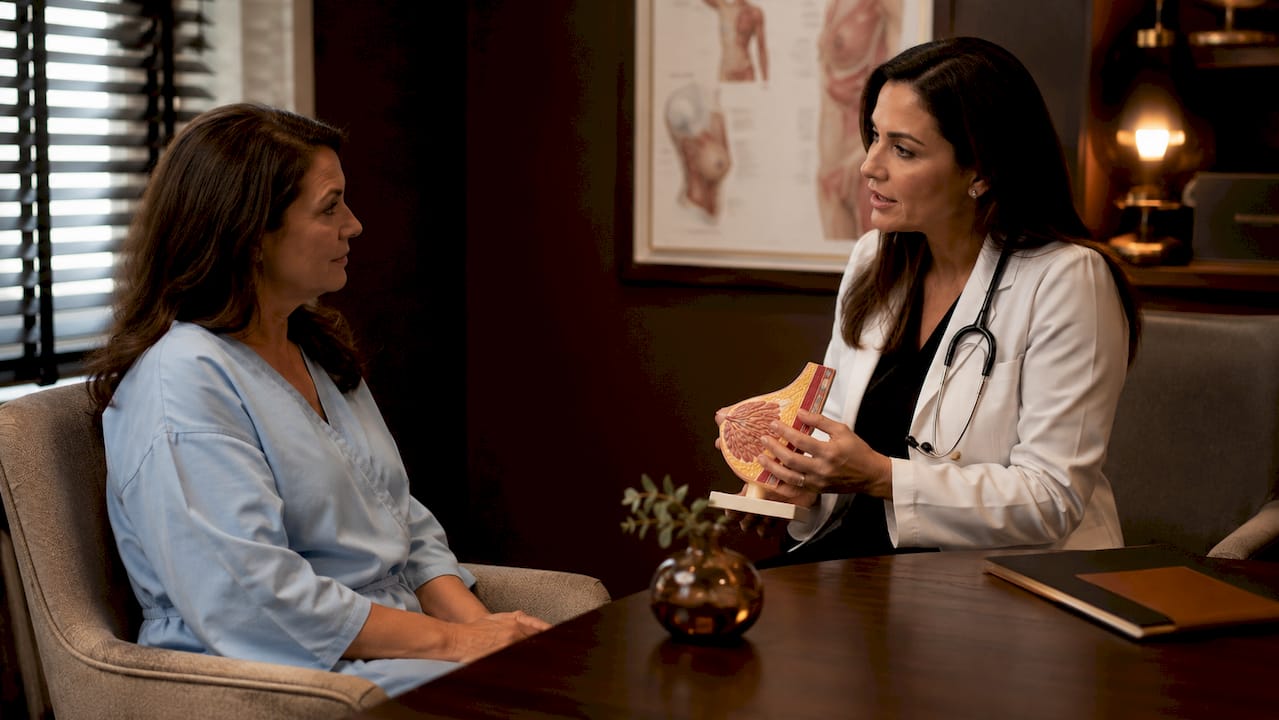
Volume of experience matters alongside qualifications. Ask specifically how many augmentation mammoplasty procedures the surgeon performs each year, and request to see a portfolio of results across different body types. A surgeon who performs this procedure regularly will have refined their technique for implant placement, incision choice, and managing asymmetry.
When you attend your consultation, bring a written list of questions. The questions to ask your surgeon should cover complication rates, revision policies, anaesthetic arrangements, and which hospital or clinic will be used. Never proceed on the basis of a brief telephone call or an online quote alone.
- Confirm GMC registration and Specialist Register listing before booking any consultation.
- Verify BAAPS or BAPRAS membership as an additional quality marker.
- Ask for the surgeon’s personal complication and revision rates, not national averages.
- Check that the facility is CQC-registered if you are being treated in England.
Pro Tip: Request before-and-after photographs of patients with a similar starting anatomy to yours. Results on patients with very different proportions tell you little about what your outcome might look like.
2. Preparing for your breast augmentation consultation
A well-prepared consultation produces a better surgical plan. Before you attend, compile a full written medical history, including all current medications, known allergies, previous surgeries, and any family history of breast disease. Your surgeon needs this information to assess your suitability and to plan safely.
The consultation is also the moment to ask the clinical questions that will shape your decision. Key consultation questions include implant type (silicone or saline), incision location (inframammary fold, periareolar, or transaxillary), and implant placement (subglandular or submuscular). Each choice carries different implications for recovery time, visible scarring, and long-term outcomes.
- Write down your aesthetic goals before the appointment and bring reference images if helpful.
- List every medication and supplement you currently take, including herbal products.
- Ask about the surgeon’s preferred implant placement and the clinical rationale for that choice.
- Confirm what happens if you are dissatisfied with the result and what the revision policy covers.
- Ask for a written summary of the proposed procedure, risks, and aftercare plan before you sign consent.
- Clarify the total cost, including anaesthetic fees, facility charges, and any follow-up appointments.
- Ask whether a pre-operative health assessment with your GP is required or recommended.
Setting realistic expectations during this stage is as important as the clinical questions. Patients who understand the likely range of outcomes, including the possibility of minor asymmetry or the need for revision, report higher satisfaction after surgery. Bring a trusted person to the consultation if you find it helpful to have a second pair of ears.
3. Pre-operative preparation: what to do before surgery day
Physical preparation for augmentation mammoplasty begins several weeks before the procedure. The steps below are not optional courtesies. They directly affect anaesthetic safety, wound healing, and your risk of complications.
Lifestyle changes
Quit smoking at least four weeks before surgery. Nicotine constricts blood vessels, reduces oxygen delivery to healing tissue, and significantly increases the risk of wound breakdown and infection. Four weeks is the minimum; longer is better.
Alcohol should be avoided for at least one week before surgery. Alcohol thins the blood, interacts with anaesthetic agents, and impairs the immune response needed for early healing.
Medications and supplements
Stop vitamins and herbal supplements 1–2 weeks before surgery. Products such as fish oil, vitamin E, ginkgo biloba, and St John’s Wort all increase bleeding risk. Many patients are surprised to learn that “natural” supplements carry the same bleeding risks as prescribed anticoagulants. Your surgeon will provide a specific list of medications to pause, which typically includes aspirin and anti-inflammatory drugs such as ibuprofen.
- Stop smoking: at least 4 weeks before surgery.
- Stop alcohol: at least 1 week before surgery.
- Stop herbal supplements and vitamins: 1–2 weeks before surgery.
- Stop aspirin and anti-inflammatory drugs: as directed by your surgeon, typically 1–2 weeks prior.
- Arrange any required blood tests or ECG through your GP well in advance.
Medical clearance
Patients benefit from an early GP review to complete pre-operative health assessments and avoid last-minute surgical delays. If you have a history of cardiovascular disease, diabetes, or clotting disorders, your surgeon may require specialist clearance before proceeding. Arrange this at least three weeks before your planned surgery date. Where diagnostic imaging is needed as part of your pre-operative assessment, a breast ultrasound can provide useful baseline information about breast tissue before surgery.
Mental preparation
Patients who visualise their recovery and set realistic expectations report lower anxiety and higher satisfaction after surgery. Spend time before the procedure understanding what the first two weeks will feel like physically. Arrange social support, plan your time off work, and accept that the final result takes several months to fully settle.
Pro Tip: The day before surgery is for confirmation, not new preparations. Verify all instructions, confirm your arrival time, and avoid last-minute tasks that add stress. Lay out everything you need the night before.
4. What to organise for surgery day and immediate recovery
Practical arrangements for surgery day are as important as the clinical preparation. Arriving unprepared adds unnecessary stress and can create safety problems in the immediate post-operative period.
What to pack
- Loose, front-fastening clothing (a zip-up top or button-through shirt) to avoid raising your arms.
- Your surgical support bra if your surgeon has asked you to bring one.
- All prescribed medications and a list of your current drugs.
- Identification, insurance documents, and your consent paperwork.
- A small bag with toiletries, phone charger, and something to read or watch.
- Snacks and a water bottle for after the procedure, once cleared by nursing staff.
Transport and supervision
A trusted adult must drive you home and remain with you for the first 24 hours after surgery. This is a clinical requirement, not a preference. General anaesthetic impairs judgement and coordination for longer than most patients expect. Arrange this in advance and confirm the arrangement the day before.
Setting up your recovery space
Patients commonly underestimate the impact of limited arm movement after surgery, particularly with submuscular implant placement. Pre-arrange personal items at shoulder or waist height to reduce strain. Reaching overhead or lifting anything heavier than a light bag is not possible in the first week.
| Item to arrange | Why it matters |
|---|---|
| Recliner chair or extra pillows | Sleeping slightly upright reduces swelling in the first week |
| Items at waist height | Overhead reaching is restricted after submuscular placement |
| Prepared meals or food delivery | Cooking requires arm movement you will not have immediately |
| Entertainment within easy reach | Reduces the need to move around unnecessarily |
| Emergency contact numbers visible | Enables rapid response if a complication arises |
5. Post-surgery care checklist: monitoring, support, and follow-up
Post-op care for implants begins the moment you leave the surgical facility. The first 24 hours carry the highest risk of complications, including haematoma (blood pooling), and require close supervision. Your accompanying adult should know the warning signs: sudden swelling on one side, severe pain not controlled by prescribed analgesia, high temperature, or any signs of wound opening.
Wound care and garment use follow your surgeon’s specific instructions. Wear the recommended surgical support bra continuously for the period advised, typically several weeks. Do not remove dressings or apply any topical products to incision sites unless explicitly directed. Showering protocols vary by surgeon; confirm these before you leave the facility.
- Attend all scheduled follow-up appointments, including the 1-week wound check and any later reviews.
- Report any asymmetric swelling, redness tracking away from the wound, or fever above 38°C promptly.
- Avoid driving until you can perform an emergency stop without discomfort and your surgeon has cleared you.
- Do not return to exercise, heavy lifting, or upper-body activity until your surgeon confirms it is safe.
- Understand that aftercare is essential to long-term results, not just short-term healing.
The final result of augmentation mammoplasty takes three to six months to fully develop as swelling resolves and implants settle into their final position. Patients who follow post-operative instructions consistently achieve better results and have fewer unplanned returns to theatre.
Key takeaways
A thorough breast augmentation checklist, covering surgeon selection, consultation preparation, pre-operative lifestyle changes, surgery day logistics, and post-operative care, is the most reliable way to reduce risk and improve your outcome.
| Point | Details |
|---|---|
| Verify surgeon credentials | Confirm GMC registration, Specialist Register listing, and BAAPS or BAPRAS membership before proceeding. |
| Prepare for consultation | Bring a full medical history, a written list of questions, and realistic aesthetic goals to every appointment. |
| Stop smoking and supplements | Quit smoking at least 4 weeks before surgery and stop herbal supplements 1–2 weeks prior to reduce bleeding and healing risks. |
| Arrange 24-hour supervision | A trusted adult must drive you home and stay with you for the full first 24 hours after surgery. |
| Set up your recovery space | Pre-arrange items at waist height and prepare meals in advance, as arm movement is significantly restricted post-operatively. |
What I have learned from preparing patients for breast augmentation
The patients who come through surgery most smoothly are rarely the ones who spent the most time researching implant profiles online. They are the ones who prepared their bodies, their homes, and their expectations with the same care they gave to choosing their surgeon.
One pattern I see repeatedly is patients who underestimate the mental adjustment after surgery. The first two weeks can feel disorienting. The result does not look “finished,” there is swelling and tightness, and the implants sit high before they settle. Patients who have been told this in advance accept it calmly. Those who have not can become unnecessarily anxious about a normal healing process.
The other preparation mistake I see is treating the pre-operative medication list as approximate. Stopping aspirin or fish oil a day or two late is not a minor oversight. It changes the bleeding picture during surgery and in the immediate post-operative period. These instructions exist because the clinical evidence behind them is strong.
My advice is to treat the consultation as a two-way clinical interview. You are assessing the surgeon as much as they are assessing you. A surgeon who gives you time, answers your questions directly, and does not pressure you toward a decision is the right environment for this procedure. The breast augmentation step-by-step guide at Lux Plastic Surgery reflects this approach: preparation is built into the process, not added on at the end.
— Lux
Breast augmentation at Lux Plastic Surgery
Lux Plastic Surgery offers consultant-led breast augmentation in Bedford, London, and Manchester, performed by Professor Sandip Hindocha, GMC-registered Consultant Plastic Surgeon, FRCS (Plast), and NHS Clinical Director.
Every patient receives a detailed pre-operative assessment, a personalised surgical plan, and structured aftercare. The process is designed around the clinical standards outlined in this guide. For a full overview of breast augmentation surgery options and to understand what to expect at each stage, visit the Lux Plastic Surgery service pages. To review the broader context of plastic surgery safety and options before booking, that resource covers the key considerations clearly. Book a consultation to speak with Professor Hindocha directly.
This article is for informational purposes only and does not constitute medical advice. Consult a GMC-registered specialist before making any decisions about surgical procedures.
FAQ
What does a breast augmentation checklist include?
A breast augmentation checklist covers surgeon verification, consultation preparation, pre-operative lifestyle changes (including stopping smoking and supplements), surgery day logistics, and post-operative care. Each stage directly affects surgical safety and the quality of your result.
How far in advance should I prepare for breast augmentation surgery?
Preparation should begin at least four to six weeks before your surgery date. Stopping smoking requires a minimum of four weeks, and arranging GP health clearance, pre-operative tests, and recovery logistics all take time to organise properly.
What questions should I ask during my breast augmentation consultation?
Ask about implant type (silicone or saline), incision location, implant placement (over or under the muscle), the surgeon’s personal complication rate, the revision policy, and the full cost breakdown including anaesthetic and facility fees.
Why is 24-hour supervision required after breast augmentation?
General anaesthetic impairs judgement and coordination for longer than most patients expect, and the first 24 hours carry the highest risk of complications such as haematoma. A trusted adult must be present to monitor for warning signs and respond if needed.
When will I see the final result after breast augmentation?
The final result of augmentation mammoplasty typically takes three to six months to fully develop. Swelling resolves gradually and implants settle into their final position over this period, so early assessments of the result are not representative of the long-term outcome.