Hearing that a mark on your skin needs to come out because it may be cancer is unsettling. The good news is that most skin cancers are treated successfully with surgery, particularly when they are found early.
What worries most people is not only the cancer but the practicalities: what the operation involves, how big the wound will be, and what it will look like afterwards. Those are fair questions, and a plastic surgeon is often involved precisely because of them.
Here’s what to expect, from the first biopsy through to follow-up checks.
Key takeaways
| Point | Details |
|---|---|
| Surgery is the main treatment | The NHS names it as the main treatment for both melanoma and non-melanoma skin cancer, especially when found early. |
| The cancer is removed with a margin | The surgeon takes the cancer plus a rim of healthy skin, which is then examined in a laboratory. |
| Larger wounds may need a graft or flap | Skin from elsewhere can be used to cover the area when it cannot be closed directly. |
| Face and visible areas | A plastic surgeon may carry out the surgery so the area looks as good as possible. |
| Check-ups continue afterwards | Regular reviews watch for recurrence and for new skin cancers. |
Before the operation: diagnosis and planning
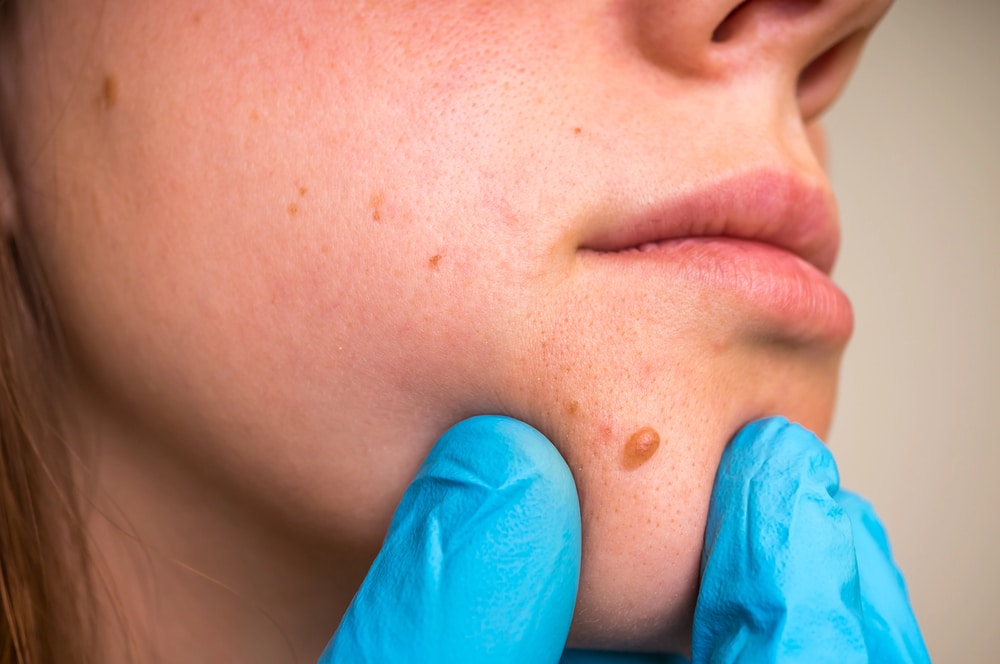
Skin cancer surgery usually starts with a diagnosis. A GP or dermatology team examines the lesion, and a biopsy or a first excision confirms what it is. This is why any changing mole should be checked early, as covered in our guide to mole removal and when to see a doctor.
The type of cancer, where it sits, whether it has spread and your general health all shape the plan. The NHS guide to non-melanoma skin cancer treatment explains that your specialist team will set out the benefits and side effects and agree a plan with you.
How is skin cancer removed?
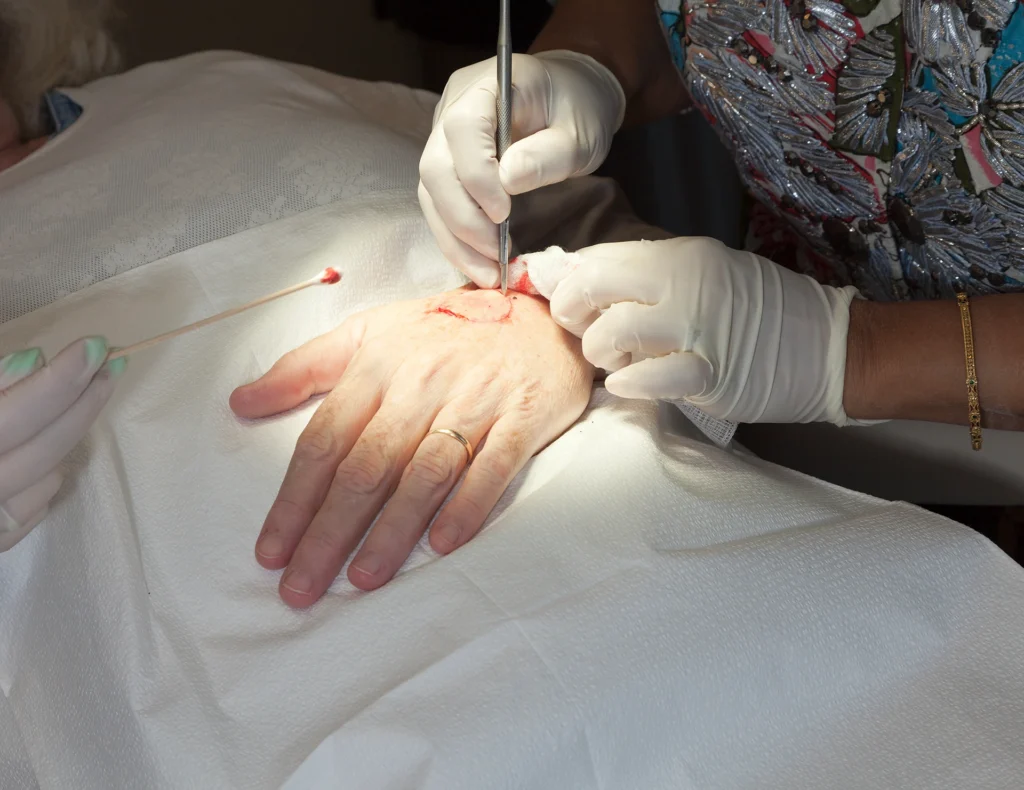
The most common operation is excision: the surgeon cuts out the cancer along with a margin of healthy skin, then closes the wound with stitches. It is often done under local anaesthetic, though general anaesthetic may be used for larger or more complex cases.
Some smaller non-melanoma cancers can be frozen instead (cryosurgery), and the treated skin forms a scab that drops off a few weeks later. Mohs surgery removes tissue in thin layers and checks each under the microscope, mainly for cancers in sensitive areas. Your team will say which approach suits you.
Margins and the pathology report
Everything removed is sent to a laboratory. The pathology report confirms the type of cancer, how deep it went, and whether the edges of the specimen are clear of cancer cells.
The margin matters because it lowers the chance of the cancer coming back. If the report shows the edges are not clear, a second operation may be advised. That can feel like a setback, but it is a routine part of getting the cancer fully out, and your surgeon will explain what the report means for you.
When the wound is too large to close: grafts and flaps
Some cancers leave a gap too big to stitch directly. In that case, the NHS notes that skin may be taken from another part of the body and used to cover the area, which is called a skin graft. A flap moves nearby skin with its own blood supply into the gap instead.
This reconstruction is where plastic surgery training helps most. NHS guidance on melanoma treatment says that where the cancer is on a visible area such as the face, a plastic surgeon may operate to make sure the area looks as good as possible. For smaller benign growths, skin lesion removal is a simpler procedure.
Will it leave a scar?
Yes, every excision leaves a scar. Its length and shape depend on the size of the cancer and the margin taken, and surgeons usually place incisions along natural skin lines where possible so the scar is less obvious.
Scars soften over months. If one heals poorly, options exist, and what scar revision surgery costs and involves explains what can be done later, once the cancer treatment is complete and your team agrees the timing.
The first weeks after surgery
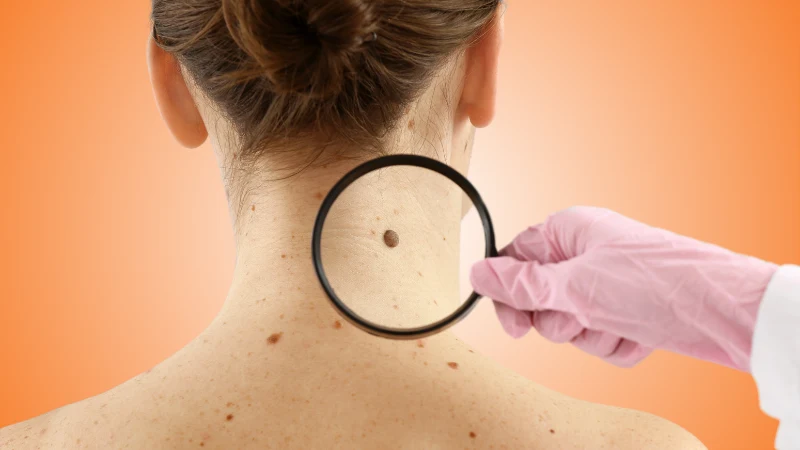
Expect some pain, bruising and swelling, which usually settle with simple painkillers. You will be shown how to look after the dressing, and stitches are removed after about a week or two unless they dissolve. A skin graft needs extra care, because the donor site and the graft both have to heal.
At Lux, the operation typically takes around two hours as a day case, with a review in the first week. Most people return to light work within about a week and to moderately heavy physical work in two to four weeks, though larger reconstructions take longer. Gentle scar care helps, as covered in how to minimise scarring after surgery.
Is surgery always the answer?
Not always. The NHS lists radiotherapy, photodynamic therapy, chemotherapy cream and targeted medicines as alternatives or additions for some non-melanoma cancers. Radiotherapy may be chosen when the cancer is large or in a spot where surgery is difficult, or when a person is too unwell for an operation.
For melanoma, surgery remains the main treatment, with medicines and radiotherapy used for more advanced disease. The right choice is made by a specialist team, so if you are unsure why a particular treatment was recommended, ask them.
Check-ups and protecting your skin afterwards
You will have regular check-ups during and after treatment, and the frequency depends on the type and stage of the cancer. Contact your team promptly if you notice a new lump, a wound that will not heal or any other change, and do not wait for your next appointment.
Having had one skin cancer raises the chance of another, so check your own skin regularly, use sun protection and avoid sunbeds.
Skin cancer surgery with Professor Hindocha at Lux
Professor Sandip Hindocha, FRCS (Plast), GMC-registered Consultant Plastic Surgeon and NHS Clinical Director, plans each operation around the type of cancer, where it sits and how it will heal. Consultations take place at clinics in Bedford, London, and Manchester.
You can read more about the skin cancer surgery service or send an enquiry through the contact page.
This article is for general information only and does not constitute medical advice. If you have a changing mole or a skin lesion that concerns you, see your GP promptly.
FAQ
How long does skin cancer surgery take?
It depends on the size and site. A simple excision can take under an hour, while a larger reconstruction takes longer. At Lux the typical operation time is around two hours.
Do I need a general anaesthetic?
Often not. Many excisions are done under local anaesthetic, with general anaesthetic kept for larger or more complex cases.
Will the cancer come back after surgery?
Removing it with a margin of healthy skin lowers the chance, but recurrence is possible. That is why regular follow-up checks are part of the plan.
What if the margins are not clear?
You may be offered a second operation to remove more tissue. Your surgeon will explain what the pathology report shows and what is advised.
Is skin cancer surgery available on the NHS?
Yes. Skin cancer treatment is provided on the NHS, and a GP referral is the usual route. Some people choose private care for speed or choice of surgeon.