Ask most people what scar revision surgery does and they’ll say it makes a scar smaller. Sometimes the surgeon does the opposite on purpose.
Z-plasty, the technique used in a large share of revisions, deliberately lengthens a scar to reduce the tension pulling on it. A shorter scar under strain often heals worse than a slightly longer one lying along the skin’s natural lines.
That’s the kind of detail that separates a genuine improvement from a disappointing one, and it’s exactly what decides how much the procedure costs.
Key takeaways
| Point | Details |
|---|---|
| Price is set by technique, not scar size alone | A simple excision costs far less than a staged serial excision or graft. |
| Typical UK private cost is £1,500–£5,000+ | Complex, multi-stage revisions for large scars can run higher. |
| NHS funding is criteria-based, not automatic | You generally need a functional problem or facial disfigurement, not just an unwanted appearance. |
| Timing matters | Most surgeons wait 12–18 months for a scar to mature before revising it. |
| Recurrence is the main risk | A revised scar can still thicken, widen, or return, even with a skilled surgeon. |
What counts as scar revision surgery?
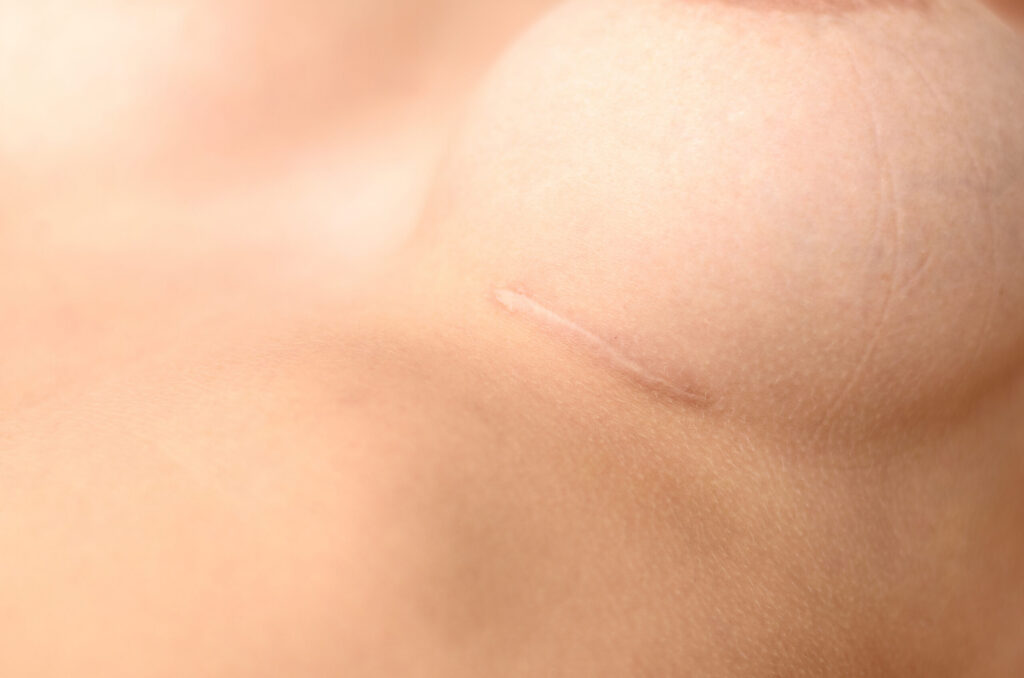
Scar revision surgery covers a group of surgical techniques used to improve a scar’s position, texture, or tension, rather than treating it with creams, injections, or light-based devices. Scar treatment methods like silicone sheets, steroid injections, and laser sessions are usually tried first, since they carry less risk and cost less.
Surgery becomes the option worth discussing when a scar is wide, tethered, badly positioned, or simply hasn’t responded to those less invasive methods after a fair trial.
Why your surgeon might make the scar longer, not shorter
The most common surgical technique is called Z-plasty. The surgeon makes a central cut along the scar with two angled cuts at each end, then swaps the resulting triangular flaps of skin. This redirects the scar so it sits more in line with the skin’s natural tension lines.
The angle used determines how much longer the scar becomes: a 30-degree angle lengthens it by around 25%, a 45-degree angle by 50%, and a 60-degree angle by roughly 75%, according to a clinical review of scar revision techniques. A longer scar that blends into the surrounding skin often looks better than a shorter one pulling tight against it.
W-plasty and serial excision: when a different approach is used
W-plasty breaks a straight-line scar into a small zigzag pattern, which the eye reads as less obvious than one continuous line. It suits scars that already sit along relaxed skin creases, but it removes tissue, so it isn’t used where the wound edges are under significant tension.
Larger scars sometimes need serial excision instead: removing a strip of the scar, letting the skin heal and stretch, then repeating the process in stages. It takes more than one procedure, but it lets the surrounding healthy skin gradually take over the space.
For the largest or most complex scars, a skin graft or local flap may be needed to close the area once the damaged tissue is removed. These cases sit at the upper end of both complexity and cost.
What decides the price: technique, not just scar size
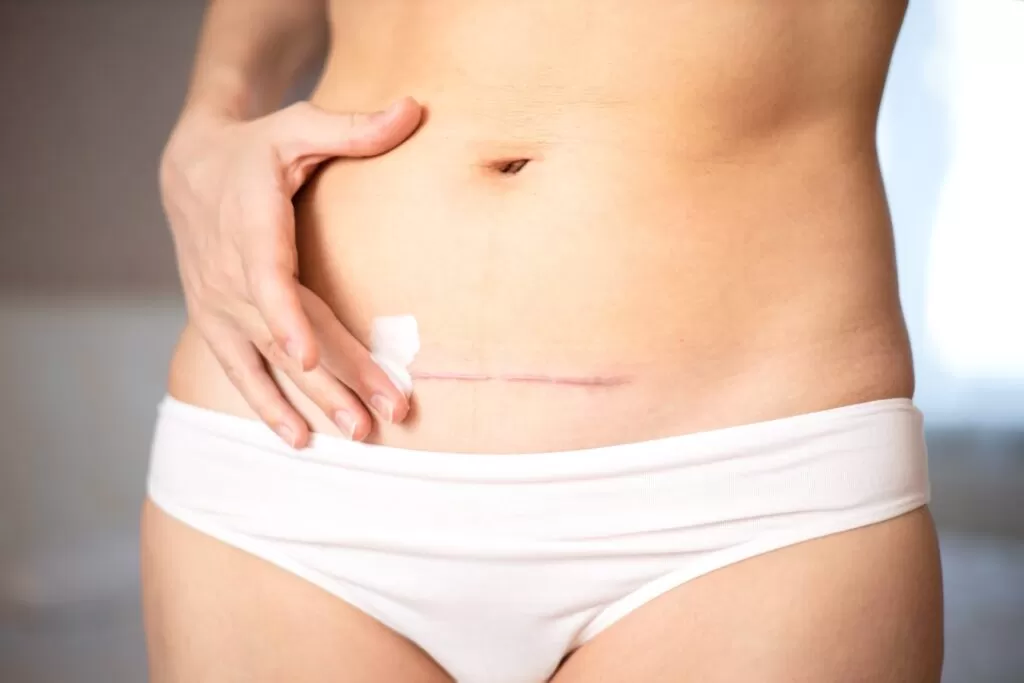
Two scars of a similar size can cost very different amounts to revise, because the price follows the technique and effort involved rather than the visible dimensions of the scar itself.
Technique complexity
A simple excision and re-closure sits at the lower end of the price range. Z-plasty and W-plasty, which need more planning and precision, cost more. Serial excision or grafting, which involve multiple stages or additional donor-site work, cost the most.
Scar size and number of stages
A small facial scar treated in one session costs far less than a long limb scar needing two or three staged excisions months apart. Each additional stage adds its own theatre time and aftercare.
Anaesthesia type
Small revisions are often done under local anaesthetic, which keeps costs down. Larger or more sensitive areas may need sedation or a general anaesthetic, which adds anaesthetist and facility fees.
Surgeon’s expertise and location
A consultant plastic surgeon with a strong track record in scar work, particularly on visible areas like the face, typically charges more than a general cosmetic practitioner. Clinic location within the UK also affects pricing.
Scar revision surgery cost UK: what to budget
Most UK private scar revisions fall between £1,500 and £5,000, in line with typical UK private pricing for surgical scar treatment. A single-stage excision or small Z-plasty tends to sit toward the lower end. Serial excision across multiple sessions, or a graft for a larger area, can push the total beyond £5,000 once every stage is added up.
Any quote should include the consultation, the procedure itself, aftercare appointments, and dressings. If a quote looks unusually low, check what happens if more than one stage turns out to be needed.
Why timing matters: waiting for the scar to mature
Most scars continue to fade and flatten on their own for up to 12 to 18 months after the original injury or surgery. Revising too early risks operating on a scar that would have improved by itself, and can make the final result harder to judge.
That waiting period is also when non-surgical care matters most. Minimising scarring after the original surgery with proper wound care and silicone use can sometimes remove the need for revision altogether.
Can you get scar revision surgery on the NHS?
Rarely, and only under specific criteria. Under the Bedfordshire, Luton and Milton Keynes ICB scar treatment policy, NHS funding requires the scar to significantly interfere with function or daily activities, such as obstructing vision or the ear canal, restricting a joint, or causing significant pain or itching that conservative treatment hasn’t improved.
Facial scars can also qualify if a specialist assesses them as causing disfigurement that camouflage makeup doesn’t resolve, with photographic evidence on record. For scars from trauma or surgery, at least 18 months must have passed first. Scarring that’s simply unwanted cosmetically isn’t normally funded.
The honest risk: recurrence and new scarring
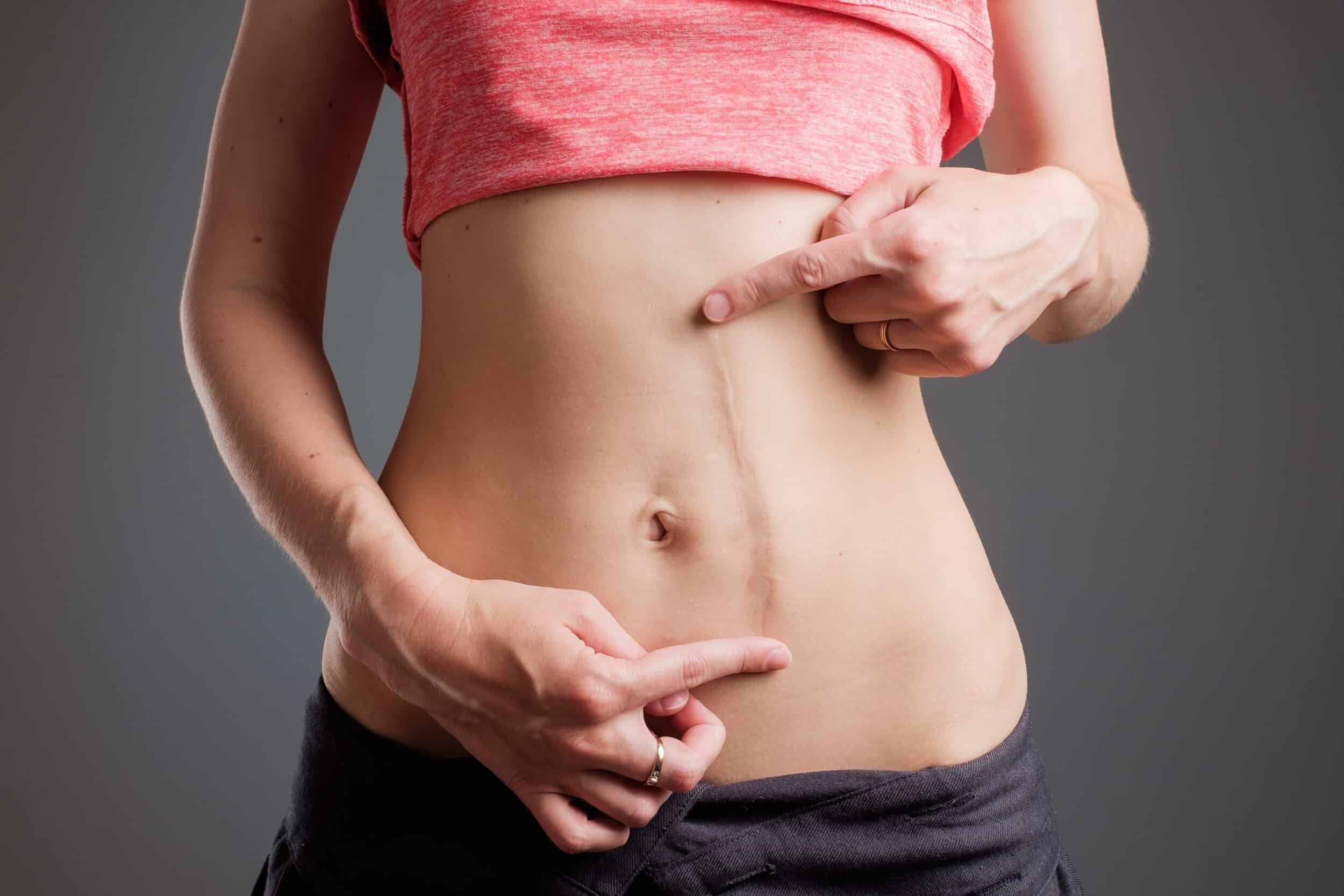
Surgery on a scar creates a new wound, and a new wound means a new scar. There’s no guarantee the replacement scar will heal better than the one it replaced, particularly in people prone to keloid or hypertrophic scarring.
A clear step-by-step scar treatment process that includes structured aftercare, such as silicone gel and sun protection, gives the new scar the best possible chance of settling well.
Non-surgical options worth trying first
Before committing to surgery, it’s worth exhausting the less invasive route. An expert guide to skin scar treatments covers silicone gel, steroid injections, massage, laser therapy, and cryotherapy in more depth, all of which carry lower cost and risk than surgery.
Surgical revision earns its place when a scar is truly resistant to these methods, or when its position or tension can only be corrected by physically altering the tissue.
How to compare quotes for scar revision surgery
Ask exactly which technique is proposed and why, rather than accepting a single flat price for “scar revision.” Two clinics quoting the same figure may be planning very different procedures.
Confirm whether the price covers one stage or the full course if serial excision is recommended, what anaesthesia is included, and what the plan is if the scar doesn’t respond as hoped.
What to expect on the day and during recovery
Most revisions are day-case procedures under local anaesthetic or light sedation, so you go home the same day. Stitches typically come out within one to two weeks, depending on location.
The new scar will look pink and slightly raised for several weeks before it starts to settle. Final results take months to judge properly, which is exactly why the original scar needed time to mature before surgery was considered.
How Lux Plastic Surgery approaches scar revision
Professor Sandip Hindocha, FRCS (Plast), GMC-registered Consultant Plastic Surgeon and NHS Clinical Director, offers scar revision surgery at clinics in Bedford, London, and Manchester. Every consultation starts with an assessment of which technique actually suits your scar, rather than a default recommendation. Professor Hindocha’s fee is quoted individually in writing after consultation.
To arrange a consultation, send an enquiry through the contact page.
This article is for general information only and does not constitute medical advice. Costs and outcomes vary by individual scar, technique, and surgeon, so treat all figures here as general guidance rather than a personal quote.
FAQ
How much does scar revision surgery cost in the UK?
Most private procedures cost between £1,500 and £5,000, though complex multi-stage revisions or grafts can cost more depending on the technique and number of sessions needed.
Is scar revision surgery painful?
Most patients feel manageable discomfort rather than significant pain, especially with local anaesthetic. Over-the-counter pain relief is usually enough during the first few days of recovery.
Will my scar completely disappear after revision?
No. The goal is to make the scar less noticeable, better positioned, or less symptomatic, not to remove all evidence of it. A revised scar is still a scar.
How long after my original surgery can I have a revision?
Most surgeons wait at least 12 to 18 months to let the scar fully mature, since many improve on their own during that period without any intervention.
Can scar revision surgery be combined with other procedures?
Sometimes, if the scar sits in an area already being treated for another reason. Your surgeon will advise whether combining procedures is appropriate for your specific case.