Most people searching for arm lift cost end up comparing two different operations without realising it. A mini brachioplasty, addressing loose skin near the armpit only, and a full brachioplasty, addressing the whole upper arm down to the elbow, are priced very differently, and no single figure online applies to both. Sorting out which one you actually need comes before any real conversation about price.
Key takeaways
| Point | Details |
|---|---|
| Mini vs full changes the price | A mini brachioplasty typically starts from around £4,500; a full brachioplasty usually runs £6,000 to £10,000 or more. |
| Skin excess, not fat, is the deciding factor | If loose skin is minimal, liposuction alone may achieve the result for a fraction of the cost. |
| NHS funding is rare | Only considered after massive, sustained weight loss with documented skin-related health problems, via an individual funding request. |
| Scarring is permanent | The trade-off for removing excess skin is a scar along the inner arm, which factors into whether the price feels worth it. |
| Low quotes are worth questioning | A price well below the market range usually means something has been left out. |
What factors determine the cost of an arm lift?
Several variables combine to set your final price, and most can only be judged properly once a surgeon has assessed your arms in person.
Mini versus full brachioplasty
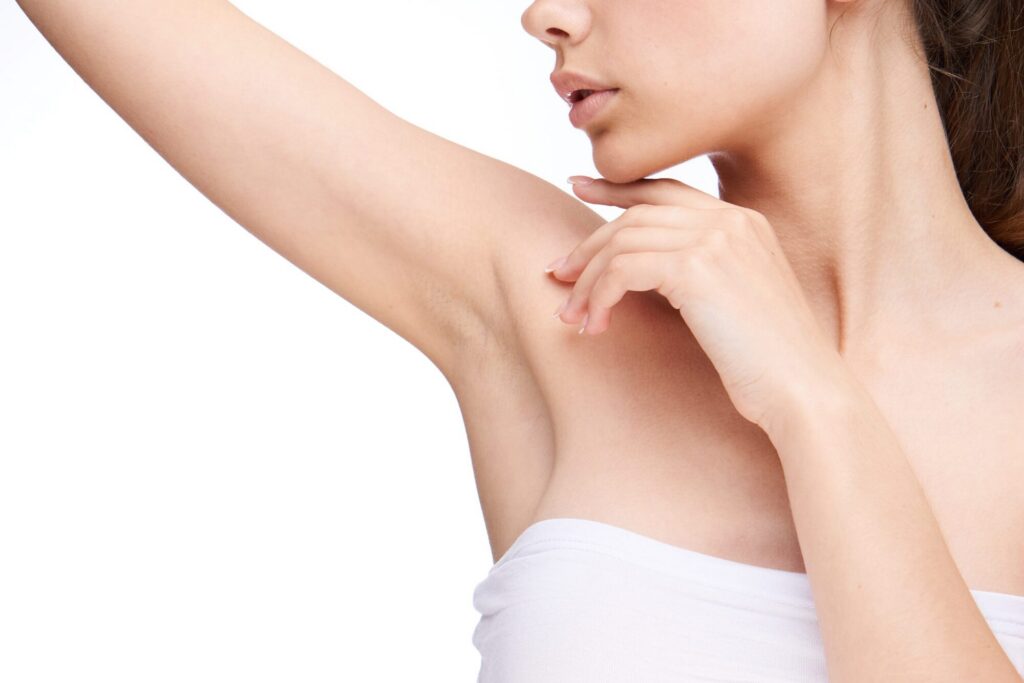
A mini brachioplasty removes a smaller amount of skin near the armpit and leaves a shorter scar, which keeps the price lower. A full brachioplasty addresses skin excess along the whole upper arm to the elbow, takes longer in theatre, and costs more as a result. Which one applies to you depends on how much the skin has stretched, not personal preference.
Whether liposuction is combined with the lift
Surgeons sometimes use liposuction alongside skin excision to refine the final contour, particularly where some fat remains alongside the loose skin. Adding this raises the fee but is typically more cost-effective than a separate liposuction procedure booked at a later date.
Scar length and surgical extent
A longer scar, sometimes extending onto the side of the chest for more significant skin excess, reflects a bigger operation with more tissue removed. This directly affects theatre time, and therefore price, and is a good indicator of why two patients can receive very different quotes for what sounds like the same procedure.
What happens during arm lift surgery
According to BAPRAS patient guidance, a brachioplasty is performed under general anaesthetic and typically takes one to two hours, depending on the extent of skin removal. Most patients stay in hospital for one to two nights afterwards, and drains are sometimes used for a night or two to reduce fluid build-up.
The operation removes excess skin from the upper arm, occasionally combined with liposuction to refine the contour, and leaves a scar along the inner arm that may extend toward the armpit or chest depending on how much skin is removed. A compression garment is worn for several weeks afterwards to support healing.
Lux Plastic Surgery performs arm lift surgery under exactly this approach, at clinics in Bedford, London, and Manchester.
How to compare arm lift quotes and avoid hidden fees

A quote that sits noticeably below the general market range is worth questioning rather than celebrating. It usually means something has been left out: theatre fees, the anaesthetist, the compression garment, or follow-up care, or that the provider isn’t a regulated surgical facility.
Always ask for a fully itemised quote before comparing prices between clinics. A properly comparable quote should state the surgeon’s fee, anaesthetic and facility fees, the length of hospital stay included, and what follow-up care is covered in the weeks after surgery.
Is arm lift surgery available on the NHS?
Rarely. Per NHS commissioning policy, body contouring procedures including brachioplasty are not normally funded for cosmetic reasons. Funding is only considered through an individual funding request.
This typically requires a starting BMI of 45 or above reduced to a current BMI of 18 to 27 maintained for at least 24 months, alongside documented skin-related health problems such as recurrent infection, ulceration, or significant difficulty with daily activities.
Cosmetic dissatisfaction alone doesn’t meet this threshold, however much it affects your confidence. If you’ve had significant, sustained weight loss and ongoing skin-related health problems, it’s worth discussing an individual funding request with your GP before assuming private surgery is your only route.
What should you budget beyond the surgeon’s fee?
The headline price rarely covers everything. A few costs are easy to overlook when you’re comparing figures on a screen.
- The compression garment, worn for several weeks and sometimes billed separately
- Pre-operative assessment and any required blood tests
- Follow-up appointments and dressing changes during recovery
- Time off work, typically two to four weeks depending on how physical your job is
- The possibility of a revision procedure, which is quoted individually and typically costs more than a primary case
Arm Lift vs Liposuction Alone: Which One Do You Actually Need?

Liposuction removes fat but does nothing for loose skin. If your upper arms have excess fat but the skin still has reasonable elasticity, liposuction alone can achieve a real improvement for considerably less than a brachioplasty, with a shorter recovery and no excision scar.
The mechanics of how the fat is actually removed, and why it can’t tighten skin on its own, are worth understanding before you rule it out on cost grounds; a clear patient guide to how liposuction works lays this out plainly.
If the skin itself hangs loosely, particularly when you raise your arm and the tissue sways independently, liposuction alone will disappoint regardless of how skilled the surgeon is. That’s a skin problem, not a fat problem, and only surgical excision addresses it. Getting this assessment right before booking anything is the single biggest cost-saving step available to most patients.
How Mini and Full Brachioplasty Pricing Differs in Practice
A mini brachioplasty typically starts from around £4,500, reflecting a shorter procedure, a smaller scar confined near the armpit, and often a quicker recovery. A full brachioplasty usually runs from £6,000 to £10,000 or more, with prices in London generally sitting toward the higher end of that range.
If the arms aren’t your only concern, pricing tends to follow a similar logic across the body: excess skin removal surgery pricing in the UK maps out how the same factors play out for the abdomen, thighs, and back.
These are general market figures, not a quote. The gap between the two exists because a full procedure addresses considerably more tissue, takes longer under anaesthetic, and often needs a longer hospital stay, all of which add directly to the fee.
Recovery Timeline and the Costs It Can Add
Most patients need someone at home for the first 24 hours and should expect to be largely within the house for the first week. Light activity generally resumes from the second week, with driving and more normal routines returning from around two weeks, and full recovery, including higher-impact exercise, taking several weeks longer.
Budgeting realistically for this period matters as much as the surgical fee itself. Missed work, help at home, and travel to follow-up appointments all add a real cost that’s easy to underestimate when you’re focused on the headline price.
Why Scarring Affects How Worth It the Price Feels
An arm lift trades loose skin for a permanent scar along the inner arm, and how visible that scar is plays a real part in whether patients feel the cost was justified afterwards. Scars typically start red and firm, softening over 6 to 12 months into a paler, flatter line, though they never fully disappear.
The practical steps that make the biggest difference to that process, from silicone sheeting to sun protection, are covered step by step in minimising scarring after surgery.
Discussing scar placement and likely appearance openly at consultation, rather than focusing on price alone, tends to produce patients who feel properly satisfied with the result rather than simply relieved the loose skin is gone.
Who Tends to Get the Best Value From an Arm Lift
Patients at a stable weight, who have finished losing weight rather than being partway through, tend to get the most durable result for their money. Operating before weight has stabilised risks needing a second procedure later, which costs considerably more than getting the timing right the first time.
For anyone who reached this point after significant weight loss, what post-weight loss surgery actually involves is worth reading before you book anything, since arm lifts rarely happen in isolation.
Non-smokers also tend to heal better and scar less visibly, which affects the practical value of the result relative to what was paid, independent of surgical skill.
What I have learned about arm lift pricing in practice
Patients often arrive at consultation having priced up the most extensive version of the procedure, assuming that’s simply what an arm lift costs. That’s not dishonesty on the internet’s part. It reflects how surgical pricing is usually presented, with the full procedure shown as the headline figure rather than the range of options actually available.
At Lux Plastic Surgery, Professor Hindocha’s approach is to examine the arm properly, assessing skin quality as well as fat, before discussing cost at all, because recommending a full brachioplasty to someone who needs a mini procedure, or liposuction alone, does them no financial favours. Every patient receives a clear, itemised quote once the right procedure has actually been established.
The other thing worth saying plainly: a price significantly below the market range is not a bargain, it’s a signal to ask more questions. Surgical skill, a properly staffed theatre, and real aftercare all cost money, and that’s not where anyone should be looking to save.
Plan Your Arm Lift with Lux Plastic Surgery
Lux Plastic Surgery’s consultant-led team, headed by Professor Sandip Hindocha, FRCS (Plast), GMC-registered Consultant Plastic Surgeon and NHS Clinical Director, sees patients across Bedford, London, and Manchester. Every consultation starts with an honest assessment of whether a mini lift, a full brachioplasty, or liposuction alone will give you the result you want.
To arrange a consultation, contact the team through the website.
This article is for general information only and does not constitute medical advice. Prices vary by clinic, location, and individual anatomy, so treat all figures here as general market context rather than a quote.
FAQ
How much does an arm lift cost in the UK?
A mini brachioplasty typically starts from around £4,500. A full brachioplasty usually runs from £6,000 to £10,000 or more, depending on the extent of skin removal and whether liposuction is combined. Your own price can only be confirmed at consultation.
Is arm lift surgery available on the NHS?
Rarely, and only through an individual funding request. This typically requires massive, sustained weight loss alongside documented skin-related health problems such as recurrent infection or significant difficulty with daily activities, not cosmetic preference alone.
Do I need a full arm lift, or would liposuction be enough?
It depends on whether the concern is fat, skin, or both. Liposuction addresses fat only; loose, hanging skin needs surgical excision. This can only be judged accurately by examination, not from a description or photo.
Why can’t clinics just give me a fixed price online?
Because the right procedure, and therefore the right price, depends on how much skin excess you have and whether liposuction needs to be combined. That can only be assessed by examination, not from a photo or a description.
How long do arm lift scars take to fade?
Scars typically start red and firm, softening over 6 to 12 months into a paler, flatter line. They become considerably less noticeable over time but don’t disappear completely.