Medically reviewed by Professor Sandip Hindocha, GMC-registered Consultant Plastic Surgeon and NHS Clinical Director. Articles are reviewed against current UK guidance from the GMC, BAAPS, BAPRAS and NICE.
TL;DR:
- Liposuction is a body contouring procedure that removes stubborn fat deposits resistant to diet and exercise. It involves small incisions, different techniques, and requires a stable weight and realistic expectations for long-lasting results. Recovery includes several months of swelling reduction, compression garment use, and careful aftercare to achieve optimal shape and safety.
If you are considering liposuction, the first thing worth understanding is that it is not a weight loss surgery. It is a body contouring procedure, clinically known as suction-assisted lipectomy, designed to remove localised fat deposits that resist diet and exercise. Understanding how liposuction works gives you a clearer picture of what to expect, who it suits, and how to prepare. This guide covers the procedure step by step, realistic results, recovery, and safety considerations so you can make a genuinely informed decision.
Key takeaways
| Point | Details |
|---|---|
| Body contouring, not weight loss | Liposuction refines shape and proportions by removing stubborn localised fat, not significant body weight. |
| Technique matters | Tumescent, ultrasound-assisted, and laser-assisted methods each suit different areas and patient needs. |
| Stable weight is non-negotiable | Remaining fat cells can enlarge with weight gain, so maintaining your results long-term depends on a stable weight. |
| Recovery takes months, not days | Final contour often takes several months to appear as swelling subsides gradually. |
| Risk increases with procedure scope | Isolated liposuction has low complication rates, but combining it with other surgeries raises risk considerably. |
How liposuction works: the procedure explained
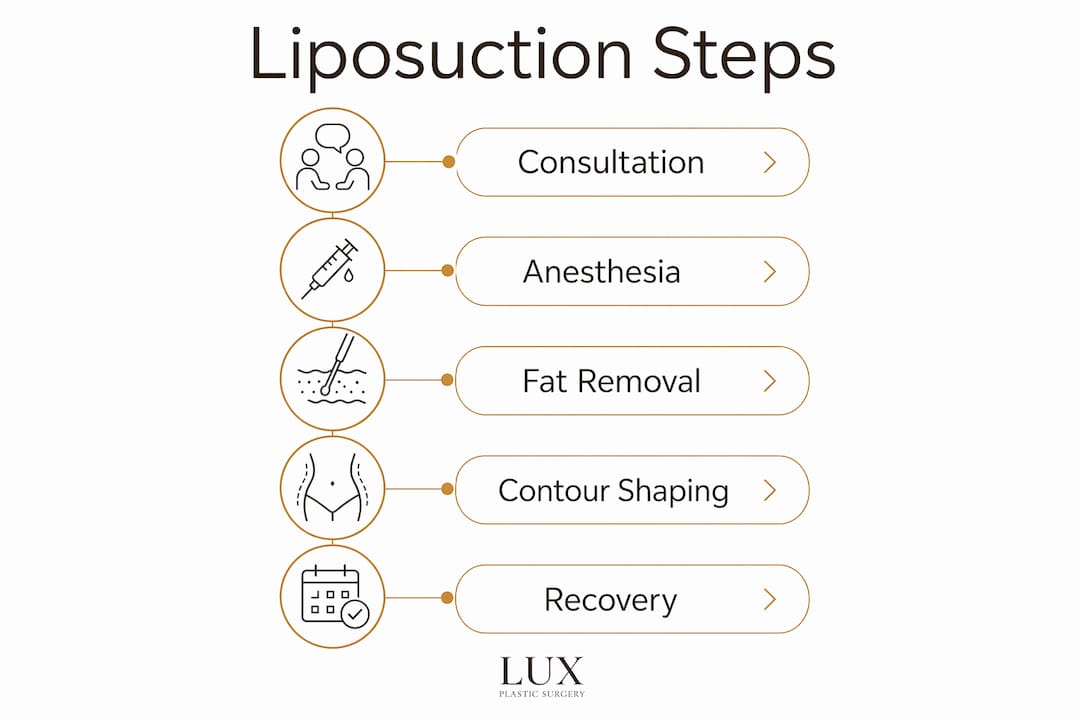
Modern liposuction removes fat from beneath the skin using a thin hollow tube, called a cannula, connected to a suction device. The surgeon makes small incisions in the target area, inserts the cannula, and uses controlled back-and-forth movements to break up and suction out fat cells. The whole process typically takes one to three hours depending on how many areas are treated.
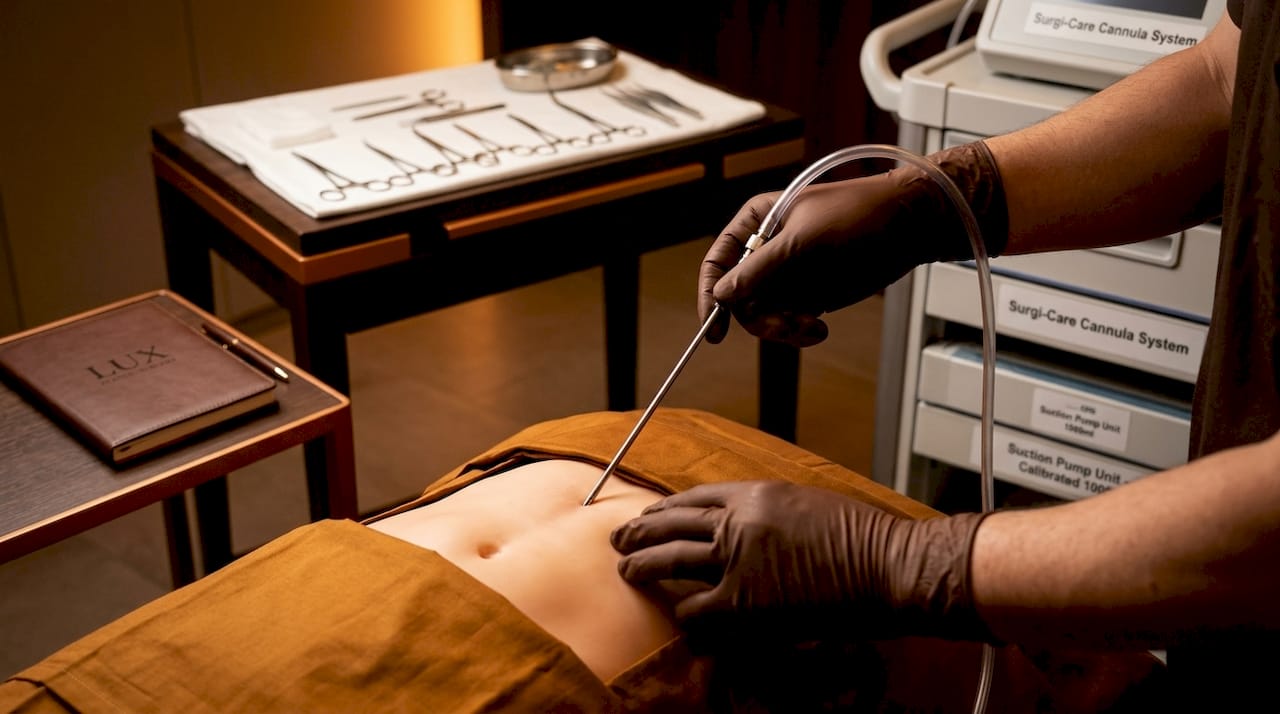
Before any fat is removed, the surgeon injects a tumescent solution into the treatment area. This fluid contains saline, lidocaine, and epinephrine. The saline expands the fat layer, making it easier to access. The lidocaine numbs the tissue locally. The epinephrine constricts blood vessels, which significantly reduces blood loss and bruising during the procedure. Tumescent liposuction is now the most widely used technique because of how much it improves both safety and precision.
Beyond the tumescent approach, several variations exist:
- Ultrasound-assisted liposuction (UAL) uses sound wave energy delivered through the cannula to liquefy fat cells before suction. This works particularly well for fibrous areas like the back or male chest.
- Laser-assisted liposuction (LAL) uses low-level laser energy to rupture fat cells. The liquid fat is then suctioned away. Some surgeons use this technique in areas where skin tightening is also a goal.
- Power-assisted liposuction (PAL) uses a motorised cannula that vibrates rapidly, reducing the physical effort required and improving precision in dense or large-volume areas.
The choice of technique depends on the treatment area, fat volume, and your skin quality. Your surgeon will discuss which approach best suits your anatomy and goals during your consultation.
Pro Tip: Ask your surgeon specifically which technique they plan to use and why. The answer tells you a great deal about their experience and how tailored your care actually is.
Once fat is removed, the surgeon shapes the surrounding tissue to produce a smooth, proportionate contour. The incisions are small, often just a few millimetres, and are placed in discreet locations where possible. Most patients receive sedation or general anaesthesia, though some procedures on small areas may be done under local anaesthetic alone.
Who is a good candidate for liposuction?
Liposuction works best for people who are already close to their goal weight and have localised fat deposits that have not responded to sustained diet and exercise. Think of the lower abdomen that stays soft despite regular training, or the inner thighs that remain disproportionate regardless of weight loss. These are the situations where the procedure delivers its most satisfying results.
Good skin elasticity matters considerably. After fat is removed, the overlying skin needs to contract and adapt to the new shape. Patients with firm, elastic skin see the smoothest outcomes. Those with significant skin laxity may need additional procedures, such as a tummy tuck or thigh lift, to address excess skin alongside the fat removal. Exploring post weight loss body contouring options is worthwhile if you have experienced substantial weight changes before considering liposuction.
Key factors that make someone a suitable candidate include:
- Being within roughly 30% of a healthy body weight
- Having realistic expectations about contour improvement rather than dramatic weight reduction
- Non-smoker or willing to stop smoking before and after surgery
- Good general health with no uncontrolled medical conditions
- Stable weight for at least six months prior to surgery
Removed fat cells do not return, which makes the results long-lasting in theory. The catch is that the fat cells which remain can still enlarge if you gain weight. This means the improvements you see post-surgery are best preserved through maintaining a consistent weight. Liposuction changes your shape at a specific point in time. What you do afterwards determines how long those changes last.
Pro Tip: Think of liposuction as a reset for stubborn areas, not a replacement for a healthy lifestyle. Patients who get the most satisfaction treat it as a complement to what they are already doing well.
What to expect during liposuction recovery
Recovery from liposuction has two distinct phases. The acute phase covers roughly the first two to three weeks, during which swelling, bruising, and soreness are at their most noticeable. The aesthetic recovery phase stretches over several months as final contour gradually emerges.
Here is what a realistic recovery timeline looks like:
- Days one to seven: Soreness, swelling, and bruising are significant. Most patients need prescription pain relief initially. Drains may be present if large volumes were removed. Light walking is encouraged to reduce clotting risk, but nothing strenuous.
- Weeks two to three: Swelling often appears to worsen before it improves, which alarms many patients. This is completely normal. It reflects the body’s inflammatory response, not a surgical problem.
- Weeks four to six: Bruising fades and swelling begins to reduce noticeably. Many patients return to desk work within two weeks, though physical jobs require longer.
- Months two to six: The final contour becomes visible as residual swelling dissipates. This is when most patients begin to see the results they were expecting.
Compression garments are a critical part of recovery. You will typically wear one continuously for the first two to three weeks, then transition to daytime wear for several additional weeks. Compression supports skin tightening, manages fluid accumulation, and reduces the risk of contour irregularities.
Many patients also experience fibrosis during recovery. This is a lumpiness or firmness beneath the skin caused by internal scar tissue forming as the body heals. It feels alarming but is entirely normal. Fibrosis softens progressively with time, compression garment use, and gentle massage. Numbness in treated areas is also common and typically resolves over several months.
“The two things that most affect patient satisfaction during recovery are understanding what normal healing looks like, and following the aftercare plan without shortcuts. Patients who do both consistently see the best outcomes.”
Reading a detailed liposuction healing guide before your procedure helps set realistic expectations and gives you a reference point when post-operative symptoms feel confusing.
Risks and safety: what you need to know
Understanding how effective liposuction can be is meaningless without understanding its risk profile. The good news is that when performed in isolation by a qualified surgeon, the complication rate is genuinely low. Isolated liposuction carries roughly a 0.7% complication rate, with mortality extremely rare at approximately 0.01%.
The picture changes when liposuction is combined with other procedures.
| Scenario | Approximate complication rate |
|---|---|
| Liposuction alone | ~0.7% |
| Liposuction combined with other surgery | ~3.5% |
| Mortality (all cases) | ~0.01% |
The most common complications include seroma (fluid collection beneath the skin at approximately 0.65%), haematoma (blood pooling at around 0.27%), infection (below 0.10%), and contour irregularities. Pigmentation changes are also possible, particularly in patients with darker skin tones. These rates are low, but they are not zero, which is why surgeon selection and facility accreditation matter so much.
Staging large-volume procedures across multiple sessions reduces risk meaningfully for patients who need extensive treatment. Rather than removing the maximum possible fat in a single operation, a staged approach spreads the physiological stress and allows safer recovery between sessions. Any reputable surgeon will discuss this proactively if it applies to your case.
The complication rate difference between standalone and combined procedures is one of the most overlooked facts patients encounter when researching surgery. Always ask your surgeon directly what the full scope of your planned procedure involves and how that affects your individual risk profile.
My perspective on what patients often get wrong
I have seen a consistent pattern in how patients approach liposuction, and the misunderstanding that causes the most disappointment is timeline expectations. Most people prepare mentally for the surgery itself but underestimate how long the aesthetic recovery actually takes. Seeing swelling worsen at week two and interpreting it as something going wrong is incredibly common, and it leads to unnecessary anxiety.
What I have found genuinely makes a difference is treating the recovery protocol as part of the procedure itself, not something that happens afterwards. The compression garment, the massage, the activity restrictions. These are not optional extras. They are how the result gets made.
My honest view on staged procedures is that surgeons who recommend them are usually the most experienced, not the most cautious. Breaking treatment into phases reflects a real understanding of physiology and risk. Patients who push for everything at once sometimes get what they ask for. The results are not always better for it.
The patients I see with the highest satisfaction are those who had realistic expectations, followed their aftercare without shortcuts, and communicated openly with their surgeon throughout. The surgery itself is one part of the outcome. What you do during recovery shapes the other half.
— Lux
Expert liposuction care at Lux Plastic Surgery
If this guide has helped clarify what you are considering, the next step is a conversation with someone who can assess your specific anatomy and goals in person.

At Lux Plastic Surgery, Professor Sandip Hindocha offers expert body contouring in Bedford with a genuinely personalised approach to liposuction and body shaping procedures. Every treatment plan is designed around your anatomy, lifestyle, and the outcomes that matter most to you. Whether you are exploring liposuction as a standalone procedure or considering it alongside complementary treatments, the team at Lux Plastic Surgery will guide you through your surgical options with full transparency on what is achievable and what recovery involves. Book a consultation today and get the expert guidance you need to make a confident, well-informed decision.
FAQ
What is liposuction and how does it differ from weight loss surgery?
Liposuction is a body contouring procedure that removes localised fat deposits using a cannula and suction. Unlike bariatric weight loss surgery, it targets specific areas of stubborn fat and is best suited to patients already close to their goal weight.
How long does liposuction recovery take?
Acute recovery typically takes two to four weeks, but the final contour can take up to six months to appear fully as swelling gradually subsides. Wearing a compression garment consistently during this period is a key part of the healing process.
Is liposuction a permanent solution?
The fat cells removed by liposuction are permanently gone. However, remaining fat cells can still expand with weight gain, so maintaining a stable weight is what preserves the long-term result.
What is the safest form of liposuction?
Tumescent liposuction is widely considered the safest standard technique because the injected fluid numbs tissue, reduces bleeding, and improves precision. The overall safety of any procedure also depends heavily on surgeon experience and facility accreditation.
Does liposuction leave noticeable scars?
Liposuction incisions are small, typically just a few millimetres, and placed in discreet locations. Scarring is usually minimal and fades significantly over time with proper aftercare.