Post-weight loss surgery can mean either the medical recovery period following bariatric surgery or the body-contouring procedures performed to remove excess skin after major weight loss. These two meanings are frequently confused, yet they involve entirely different clinical pathways, timelines, and outcomes. Understanding which applies to your situation determines the care you need, the specialists you consult, and the results you can realistically expect. This guide covers both meanings in full, from abdominoplasty and panniculectomy to nutritional supplementation and emotional wellbeing, so you leave with a clear picture of what recovery and transformation actually involve.
What does post-weight loss surgery actually mean?

Post-weight loss surgery covers two related but distinct concepts. The first is the postoperative care and recovery that follows bariatric surgery, such as gastric bypass or sleeve gastrectomy. The second is body-contouring surgery, which removes excess skin folds and tissue to smooth body contours after large weight loss. Johns Hopkins Medicine describes body contouring as a surgical response to skin that has permanently lost its elasticity. Exercise and time cannot fully reverse this loss, which is why surgery becomes the only effective option for many patients.
The confusion between these two meanings is understandable. A patient who has completed bariatric surgery and lost 50 kilograms may then pursue body contouring, making both phases part of their overall experience. Practitioners at Hopkins Medicine explicitly recommend distinguishing these two pathways to avoid misinformation and tailor patient education effectively. Knowing which phase you are in shapes every decision that follows.
What body-contouring procedures are available after weight loss?
Body-contouring surgery addresses the physical reality of skin that no longer fits the body beneath it. Surgeons assess areas of skin laxity and select procedures accordingly, targeting the abdomen, arms, thighs, breasts, and lower body as needed.
The most common procedures include:
- Abdominoplasty (tummy tuck): Removes excess abdominal skin and tightens the underlying muscles, producing a flatter, firmer profile.
- Panniculectomy: Removes the hanging “apron” of skin from the lower abdomen without muscle repair, making it a more targeted and often quicker procedure.
- Brachioplasty (arm lift): Addresses loose skin along the upper arms, which is a common concern after significant weight reduction.
- Thigh lift: Reshapes the inner or outer thighs by removing excess skin and improving contour.
- Breast lift (mastopexy): Restores shape and position to breasts that have deflated or drooped following weight loss. You can read more about breast restoration after weight loss to understand what this involves.
- Lower body lift: Addresses the buttocks, hips, and outer thighs in a single procedure, often suited to patients with extensive skin laxity.
Panniculectomy vs abdominoplasty: which is right for you?
The distinction between these two procedures matters considerably for recovery planning. According to the American Society of Plastic Surgeons, a tummy tuck involves muscle repair alongside skin removal, which means a longer recovery and greater physical restriction in the weeks that follow. Panniculectomy, by contrast, involves only skin removal. The Cleveland Clinic confirms that panniculectomy results are permanent provided weight remains stable, though patients should not expect the muscle definition that abdominoplasty delivers.
| Procedure | Muscle repair | Recovery time | Primary goal |
|---|---|---|---|
| Abdominoplasty | Yes | Longer (6-8 weeks) | Skin removal and muscle tightening |
| Panniculectomy | No | Shorter (3-4 weeks) | Removal of hanging skin apron |
| Brachioplasty | No | Moderate (2-4 weeks) | Upper arm skin removal |
| Thigh lift | No | Moderate (3-5 weeks) | Inner or outer thigh contouring |
Pro Tip: If your primary concern is hygiene-related skin irritation beneath the abdominal fold rather than cosmetic reshaping, panniculectomy may be the more appropriate and accessible starting point.
What does recovery from bariatric surgery involve?
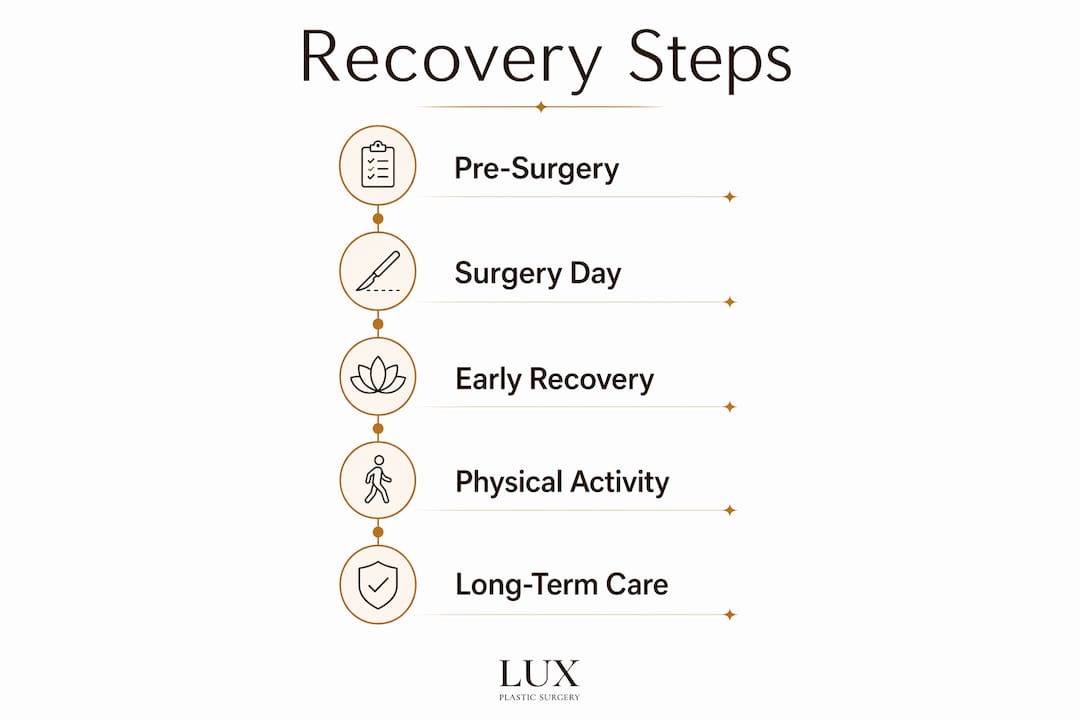
Post-bariatric surgery care follows a structured, phased approach designed to protect the newly altered digestive system while supporting healing and long-term weight management. Most patients begin a clear bariatric diet within 24 hours of surgery, progressing through liquid, pureed, and soft food stages over the first five weeks before transitioning to regular textures.
The typical recovery progression looks like this:
- Days 1 to 2: Clear liquids only, early walking encouraged to reduce clot risk and support circulation.
- Weeks 1 to 2: Full liquid diet, including protein shakes; light movement increased gradually.
- Weeks 3 to 4: Pureed and soft foods introduced; protein targets of 60 to 80 grams per day become the priority.
- Week 5 onwards: Soft solid foods permitted; patients begin outpatient follow-up appointments.
- Months 2 to 6: Regular foods reintroduced with portion awareness; lab monitoring begins in earnest.
Early physical activity is not optional. StatPearls and the University of Rochester Medicine both recommend gradual aerobic exercise beginning with daily walking and building to 30 or more minutes of combined aerobic and strength training. This limits muscle loss, supports weight maintenance, and improves cardiovascular health during the critical early phase.
Dumping syndrome is one of the most common post-bariatric side effects, occurring when food moves too quickly into the small intestine. Symptoms include nausea, sweating, and dizziness, and they are largely avoidable by eating slowly, chewing thoroughly, and avoiding high-sugar foods. Understanding these triggers early prevents unnecessary discomfort and supports dietary compliance.
Pro Tip: Prioritise protein at every meal before eating vegetables or carbohydrates. Protein supports wound healing, preserves muscle mass, and keeps you satiated on smaller portions.
How does nutritional monitoring support long-term success?
Long-term success after bariatric surgery depends more on ongoing monitoring and supplementation than the surgery itself. This finding from the American Family Physician review published in 2026 reframes how patients should think about the procedure. Surgery creates the conditions for weight loss; consistent medical follow-up sustains the results and prevents serious complications.
Micronutrient deficiencies are the most common long-term complication after bariatric surgery. The specific nutrients at risk vary by procedure. Gastric bypass patients face higher risk of vitamin B12, iron, folate, and vitamin D deficiency because the surgery bypasses the section of the small intestine where these are absorbed. Sleeve gastrectomy patients face similar but generally less severe risks.
| Nutrient | Risk level | Recommended action |
|---|---|---|
| Vitamin B12 | High (bypass) | Sublingual or injectable supplementation |
| Iron | High (bypass, women) | Daily supplement with vitamin C for absorption |
| Vitamin D and calcium | Moderate to high | Daily supplement; calcium citrate preferred |
| Folate | Moderate | Daily multivitamin with folate |
| Bone density | Long-term risk | DEXA scan at baseline and follow-up |
The American Family Physician recommends quarterly micronutrient screening during the first year post-surgery, then annually thereafter. Bone density screening is also advised, particularly for women and patients with pre-existing osteopenia. Medication adjustments are another consideration. Patients who managed type 2 diabetes before surgery often see significant improvement in blood glucose control and may need their prescriptions reviewed within weeks of the procedure.
What emotional changes should patients expect after surgery?
The psychological impact of weight loss surgery is significant and often underestimated. The University of Rochester Medicine notes that emotional highs and lows are common during the adjustment period, and that mental health support is a core component of recovery rather than an optional add-on.
Patients frequently report a honeymoon phase in the first few months, characterised by rapid weight loss and high motivation. This can be followed by frustration when weight loss slows, body image concerns as excess skin becomes more visible, and in some cases depression or anxiety. These responses are normal. They reflect the scale of the physical and identity changes involved.
Recommended support options include:
- Individual counselling with a psychologist or therapist experienced in bariatric care.
- Group therapy or support groups, either in person or through platforms such as the British Obesity and Metabolic Surgery Society (BOMSS) patient networks.
- Family involvement, with close relatives encouraged to understand the dietary and emotional demands of recovery.
- Mindfulness and stress management practices to support emotional regulation during the adjustment period.
Recognising that mental health is part of the recovery plan, not separate from it, makes a measurable difference to long-term outcomes. Patients who engage with psychological support report higher satisfaction with results and better dietary adherence over time.
Key takeaways
Post-weight loss surgery success requires understanding both the bariatric recovery pathway and the body-contouring options available, then committing to lifelong nutritional monitoring and emotional support.
| Point | Details |
|---|---|
| Two distinct meanings | Post-weight loss surgery refers to both bariatric recovery care and body-contouring procedures for excess skin. |
| Procedure choice matters | Panniculectomy suits skin removal only; abdominoplasty adds muscle repair and requires longer recovery. |
| Nutrition is lifelong | Quarterly micronutrient screening in year one, then annually, prevents serious long-term deficiencies. |
| Emotional support is clinical | Mental health care is a core part of recovery, not optional, and directly affects long-term outcomes. |
| Surgery is one step | Long-term success depends on monitoring, supplementation, and behavioural adjustments more than the procedure itself. |
What I have learned from working with post-weight loss patients
The most common mistake I see is patients treating surgery as a finish line. Whether that is bariatric surgery or body contouring, the procedure is a beginning, not an end. Patients who arrive at a consultation expecting transformation without commitment to follow-up care consistently report lower satisfaction. Those who arrive with realistic expectations and a plan for nutritional monitoring, physical activity, and emotional support report the opposite.
There is also a persistent confusion about what body contouring can and cannot do. Abdominoplasty and panniculectomy are not interchangeable, and choosing the wrong procedure for the wrong reason leads to disappointment. A patient who wants a flat, toned abdomen and chooses panniculectomy because it sounds less invasive will not get the result they envisioned. The functional and aesthetic differences between these procedures must be understood before any decision is made.
What I find genuinely encouraging is how much the field has matured. The 2026 American Family Physician guidance on lab-guided supplementation reflects a more personalised, data-driven approach to post-bariatric care that was not standard practice a decade ago. Patients today have access to better monitoring protocols, more nuanced surgical options, and stronger support networks than any previous generation. The outcomes, when patients engage fully, are remarkable.
— Lux
How Lux Plastic Surgery supports your post-weight loss transformation
Lux Plastic Surgery, led by Professor Sandip Hindocha, offers specialist body contouring in Bedford tailored specifically to patients who have achieved significant weight loss and are ready to address excess skin. Whether you are considering abdominoplasty, panniculectomy, brachioplasty, or a combination approach, every treatment plan is built around your anatomy, your goals, and your recovery capacity.

Professor Hindocha’s experience with post-weight loss body contouring means consultations go beyond surface-level assessments. You receive a clear explanation of which procedures are appropriate, what recovery involves, and what results are realistic. To explore your options and book a consultation, visit the Lux Plastic Surgery post-weight loss body contouring page or contact the team directly.
FAQ
What is the difference between bariatric surgery and body-contouring surgery?
Bariatric surgery, such as gastric bypass or sleeve gastrectomy, reduces stomach size to support weight loss. Body-contouring surgery removes the excess skin that remains after significant weight reduction and cannot retract on its own.
How long does recovery take after body-contouring surgery?
Recovery varies by procedure. Panniculectomy typically requires three to four weeks, while abdominoplasty, which includes muscle repair, generally requires six to eight weeks before returning to normal activity.
What supplements are needed after bariatric surgery?
Most patients require lifelong supplementation with vitamin B12, iron, vitamin D, calcium, and a multivitamin. The specific regimen depends on the procedure type and is guided by regular blood tests.
When can body-contouring surgery be performed after bariatric surgery?
Surgeons generally recommend waiting until weight has been stable for 12 to 18 months before proceeding with body-contouring procedures. This reduces surgical risk and improves the accuracy of skin removal.
Is emotional support after weight loss surgery really necessary?
Yes. The University of Rochester Medicine identifies emotional adjustment as a core part of recovery, not an optional extra. Patients who access counselling or support groups report better dietary adherence and higher long-term satisfaction.