What is rhinoplasty and what can it achieve?
Rhinoplasty is surgery to reshape the nose by modifying bone, cartilage, or skin, for cosmetic reasons, functional improvement, or both. Commonly referred to as a nose job, the procedure can address a wide range of concerns, from a prominent dorsal hump to a deviated septum that restricts breathing. It is one of the most technically demanding facial operations, and outcomes depend heavily on the surgeon’s skill and the patient’s anatomy.
Rhinoplasty can achieve the following changes:
- Reduce or increase the overall size of the nose
- Refine the nasal tip or bridge
- Straighten a crooked nose or correct post-trauma deformity
- Narrow or reshape the nostrils
- Correct a deviated septum to improve airflow (septoplasty combined with rhinoplasty)
- Restore nasal structure following injury, disease, or reconstructive surgery
The procedure is performed under general anaesthesia, typically as a day case, though some patients stay overnight depending on the complexity of the operation.
Who is suitable for rhinoplasty?
Suitability is assessed on both physical and psychological grounds. The ideal candidate is a healthy adult whose nasal growth is complete, generally from the late teens onwards, with no uncontrolled medical conditions that would increase anaesthetic risk.
Key suitability criteria include:
- Nasal deformity causing functional impairment, such as chronic breathing obstruction
- Cosmetic concerns that have persisted and caused genuine distress
- Realistic expectations about what surgery can and cannot achieve
- Good general health, non-smoker or willing to stop smoking before and after surgery
- Psychological readiness, with motivations that are personal rather than externally pressured
Psychological readiness and clear communication about goals are crucial. Surgery alone does not resolve underlying emotional or social concerns, and a surgeon will explore this during consultation.
NHS funding is restricted to specific reconstructive cases. The NHS commissions rhinoplasty only after significant nasal trauma within the previous two years, or to correct chronic nasal obstruction from vestibular stenosis that has failed conservative management for at least three months. Cosmetic rhinoplasty is funded privately.
Contraindications include active infection, poorly controlled systemic illness, and expectations that fall outside what surgery can realistically deliver. A thorough consultation with a GMC-registered specialist is the only way to determine individual suitability.
How rhinoplasty is performed: techniques and procedural steps
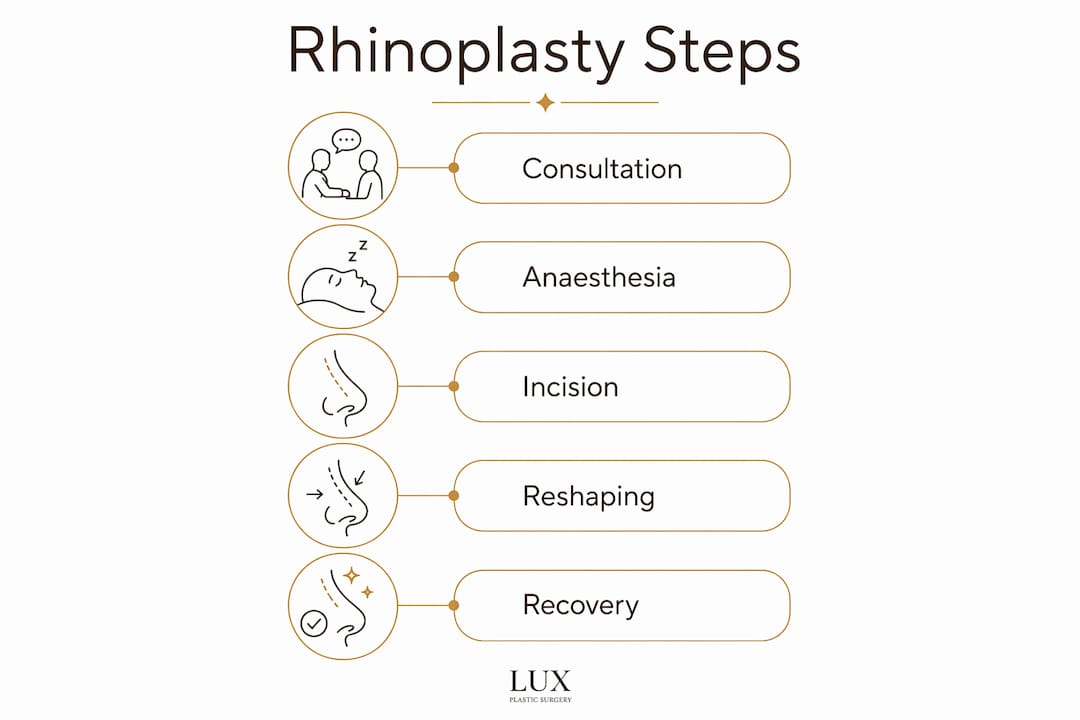
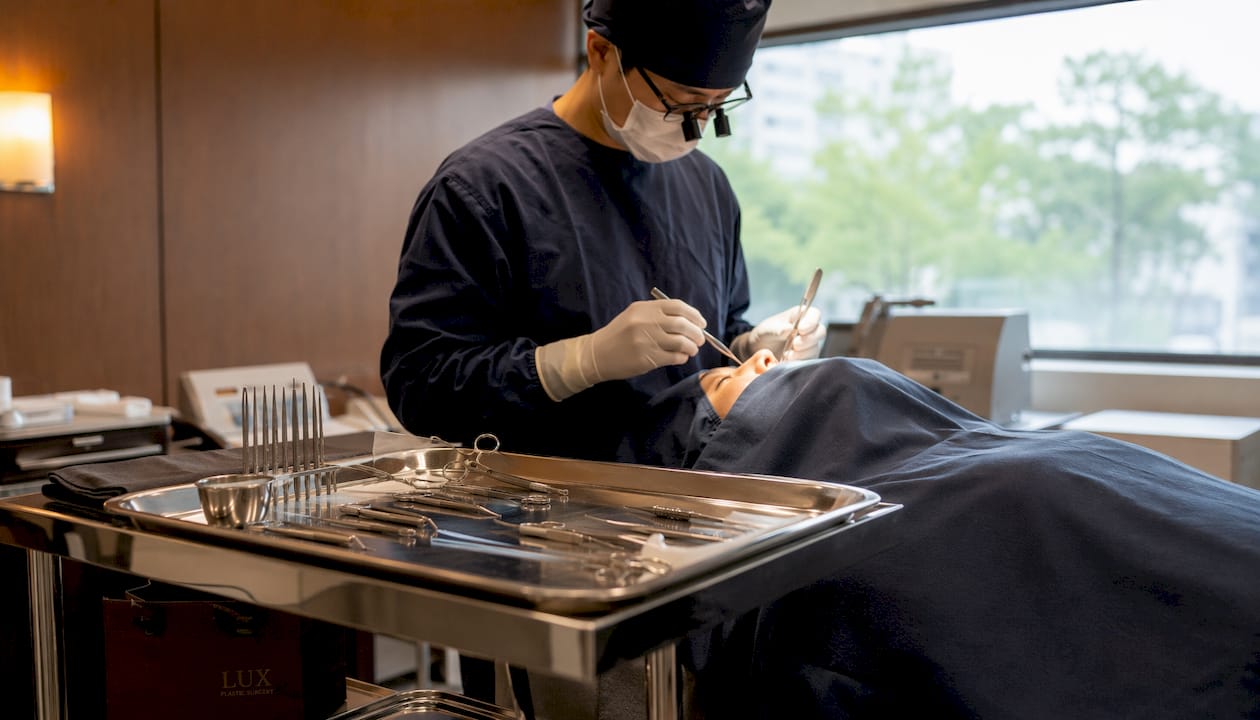
Rhinoplasty is carried out under general anaesthesia and takes up to two hours, depending on the extent of reshaping required. The surgeon separates the skin from the underlying bone and cartilage, then sculpts the framework before closing the incisions and applying a nasal splint.
Two principal techniques are used:
| Technique | Incision location | Best suited for |
|---|---|---|
| Open rhinoplasty | Small cut across the columella (skin between nostrils) | Complex reshaping, tip refinement, revision cases |
| Closed rhinoplasty | Hidden incisions inside the nostrils | Moderate changes, minimal external scarring |
Open rhinoplasty provides greater visibility of the nasal structures and is preferred for more extensive reconstruction. Closed rhinoplasty leaves no visible external scar and typically involves a shorter operative time.
Common procedural modifications include:
- Removal of bone or cartilage to reduce a hump or narrow the bridge
- Cartilage grafts taken from the ear or, less commonly, the hip to augment or support nasal structures
- Osteotomies (controlled fractures of the nasal bones) to narrow or straighten the nose
- Septoplasty to straighten the nasal septum and improve breathing function
The choice of technique is determined by the patient’s anatomy, the degree of change required, and the surgeon’s clinical judgement. At Lux Plastic Surgery, Professor Sandip Hindocha, GMC-registered Consultant Plastic Surgeon and NHS Clinical Director, FRCS (Plast), tailors the approach to each patient’s individual anatomy and goals. Further detail on the rhinoplasty procedure is available on the Lux Plastic Surgery service page.
What are the risks and potential complications?
All surgery carries risk, and rhinoplasty is no exception. Understanding the range of possible complications is part of informed consent, not a reason to avoid the procedure outright.
Common risks include:
- Infection at the incision site
- Bleeding, including the possibility of a significant nosebleed during or after surgery
- Swelling and bruising, which can persist for several weeks
- Asymmetry or an unsatisfactory cosmetic result
- Scarring, particularly with open technique incisions
- Temporary reduction in sense of smell or numbness over the nose, upper lip, or front teeth
Less frequent but more serious complications include:
- Adverse reaction to general anaesthesia
- Persistent nasal obstruction that does not resolve after healing
- Septal perforation (a hole in the nasal septum)
- The need for revision surgery to correct an unsatisfactory outcome
Surgeon experience and patient health are the two factors that most influence risk. Choosing a surgeon with specific rhinoplasty expertise, operating in an accredited facility, and following all pre- and post-operative instructions reduces the likelihood of complications considerably.
Recovery after rhinoplasty: what to expect
Recovery from rhinoplasty follows a predictable pattern, though the timeline varies between patients. Bruising and swelling around the nose and eyes are normal in the first week and usually settle within 10–14 days.

A nasal splint is applied at the end of surgery to support and protect the nose. This is typically removed within ten days. Internal dressings, if used, are generally removed within a few hours of leaving the operating theatre.
Most patients return to desk-based work within one to two weeks, though strenuous exercise and contact sports should be avoided for at least six weeks. The nose may feel more blocked than usual in the first few weeks as swelling subsides internally. Patience is genuinely required: while the overall shape becomes apparent within a few months, final results can take up to a year to fully emerge as residual swelling resolves.
Follow-up appointments allow the surgeon to monitor healing and address any concerns early. In some cases, minor revision procedures are needed to refine the result, and these are typically not undertaken until the nose has fully settled, usually no sooner than twelve months after the primary operation. The psychological adjustment to a changed appearance is also part of recovery, and patients benefit from having realistic expectations set clearly before surgery.
Pro Tip: Photograph your nose from multiple angles before surgery and keep these images throughout recovery. Comparing them at three, six, and twelve months gives a clearer picture of gradual improvement than day-to-day observation.
For broader guidance on what to expect before and after a facial procedure, the facial procedure guide from Lux Plastic Surgery covers pre- and post-operative preparation in detail.
How much does rhinoplasty cost in the UK?
Private rhinoplasty in the UK typically costs between £4,000 and £7,000. This range covers the surgeon’s fee, anaesthetist, and hospital or clinic facility costs, but it does not automatically include the initial consultation, pre-operative assessments, post-operative appointments, or any revision surgery that may be required.
Key financial considerations:
- Always request a fully itemised cost breakdown before committing
- Revision surgery, if needed, is usually charged separately
- NHS funding applies only to reconstructive cases meeting strict clinical criteria, not cosmetic procedures
- Financing options are offered by many private clinics, but these carry their own terms and should be reviewed carefully
Price should never be the primary factor in choosing a surgeon. A lower fee does not indicate equivalent quality, and the consequences of a poorly performed rhinoplasty, both physical and psychological, can be significant. Credentials, experience, and the quality of the consultation matter far more than cost alone.
How to choose a rhinoplasty surgeon in the UK
The single most important decision in the rhinoplasty process is who performs the operation. The UK has clear professional standards, and patients should verify these before proceeding.
Criteria to check before booking:
- GMC registration: confirm the surgeon is on the GMC Specialist Register for plastic surgery
- BAAPS or BAPRAS membership: both organisations require members to meet defined standards of training and practice
- Specific rhinoplasty experience: ask how many rhinoplasties the surgeon performs annually and request to see before-and-after photographs of their own patients
- Consultation quality: a good surgeon listens carefully, explains limitations honestly, and does not pressure you towards a decision
- Facility accreditation: the clinic or hospital should meet CQC standards
Pro Tip: Ask your surgeon directly what proportion of their surgical practice is rhinoplasty. A surgeon who performs the procedure regularly will have refined technique and a clearer sense of what is achievable for your anatomy.
Patients considering whether surgery is the right route can also explore non-surgical rhinoplasty as an alternative for minor contour changes, though it cannot replicate the structural changes that surgery achieves.
What results can rhinoplasty realistically deliver?
Rhinoplasty can produce lasting, meaningful changes to the nose, but it is not a procedure that delivers perfection. The nose is a three-dimensional structure embedded in a face that continues to age, and results must be understood in that context.
Realistic outcomes include a nose that is better proportioned to the face, improved symmetry, a corrected hump or drooping tip, and, where septoplasty is included, measurably better airflow. What surgery cannot do is guarantee an exact pre-planned shape, eliminate all asymmetry (minor natural asymmetry is universal), or produce results identical to those seen in another person’s photographs.
Swelling distorts the appearance for months, which is why patience is central to the process. Surgeons experienced in rhinoplasty set expectations carefully during consultation, using photographs and, in some cases, digital imaging to illustrate the range of achievable outcomes. The goal is a nose that looks natural on your face, not a generic ideal.
Preoperative preparation and what to expect at consultation
The consultation is where the surgical plan takes shape. A thorough consultation covers your medical history, current medications, smoking status, and any previous nasal surgery or trauma. Photographs are taken from multiple angles to assist surgical planning and provide a baseline for comparison after recovery.
Preparation before surgery typically involves:
- Stopping smoking at least six weeks before the procedure, as smoking impairs healing and increases infection risk
- Avoiding aspirin, ibuprofen, and other blood-thinning medications for two weeks before surgery
- Fasting for six hours before the procedure, as it is performed under general anaesthesia
- Arranging for someone to drive you home and stay with you for the first 24 hours
- Preparing a recovery space at home with everything you need within easy reach
The consultation is also the moment to ask every question you have. A surgeon who rushes this stage, or who does not address your concerns clearly, is not the right choice. At Lux Plastic Surgery, consultations with Professor Hindocha are structured to give patients the time and information they need to make a fully informed decision.
This article is for informational purposes only and does not constitute medical advice. Consult a GMC-registered specialist before making any decision about surgery.
If you are considering rhinoplasty and want to discuss your options with a consultant-led team, book a consultation with Lux Plastic Surgery. Professor Hindocha and the team in Bedford, London, and Manchester offer thorough, unhurried consultations focused on what is right for you.
Key takeaways
Rhinoplasty is a surgical procedure that reshapes the nose for aesthetic or functional reasons, with costs in the UK ranging from £4,000 to £7,000 for private treatment.
| Point | Details |
|---|---|
| Definition | Rhinoplasty modifies bone, cartilage, or skin to change the nose’s shape, size, or function. |
| NHS funding | The NHS funds rhinoplasty only for significant trauma or severe airway obstruction meeting strict criteria. |
| Cost range | Private rhinoplasty in the UK costs approximately £4,000 to £7,000, excluding consultations and revisions. |
| Recovery timeline | Bruising and swelling usually resolve within a couple of weeks; final results take several months to fully appear. |
| Surgeon selection | Verify GMC registration and BAAPS or BAPRAS membership before choosing a rhinoplasty surgeon. |
FAQ
How much does rhinoplasty cost in the UK?
Private rhinoplasty in the UK typically costs between £4,000 and £7,000, though this figure excludes consultation fees, pre-operative tests, and any revision procedures.
Is rhinoplasty available on the NHS?
NHS funding is limited to reconstructive cases, specifically significant nasal trauma within the previous two years or severe airway obstruction that has not responded to conservative treatment. Cosmetic rhinoplasty is not funded by the NHS.
How long does rhinoplasty recovery take?
Bruising and swelling around the nose and eyes usually resolve within a couple of weeks, and most patients return to desk-based work within that time. Final results, however, can take up to twelve months to fully emerge as residual swelling settles.
What is the difference between open and closed rhinoplasty?
Open rhinoplasty uses a small incision across the columella, giving the surgeon greater access for complex reshaping. Closed rhinoplasty uses incisions hidden inside the nostrils, leaving no visible external scar, and suits more moderate changes.
How do I know if I am a suitable candidate?
Suitable candidates are healthy adults with realistic expectations, whose nasal growth is complete. A thorough consultation with a GMC-registered consultant plastic surgeon is the only reliable way to assess individual suitability.