An inverted nipple is one of the most common breast variations there is, affecting an estimated 10 to 20 percent of people, and for most of that time it causes no problems at all. It can be there from birth, appear later in life, and range from a nipple that everts easily with light pressure to one that stays permanently retracted.
Key takeaways
| Point | Details |
|---|---|
| Very common | Affects an estimated 10-20% of people, mostly present from birth, and often resolves on its own by puberty. |
| Graded 1 to 3 | Grade reflects how easily the nipple everts and how much it affects the milk ducts, not just appearance. |
| New inversion needs checking | A nipple that suddenly turns inward after previously being normal should be reviewed by a GP. |
| Breastfeeding is often still possible | Grade 1 and many grade 2 cases don’t rule out breastfeeding; grade 3 usually does. |
| Correction is a minor, targeted procedure | Usually done under local anaesthetic through small incisions at the base of the nipple. |
What Causes an Inverted Nipple?
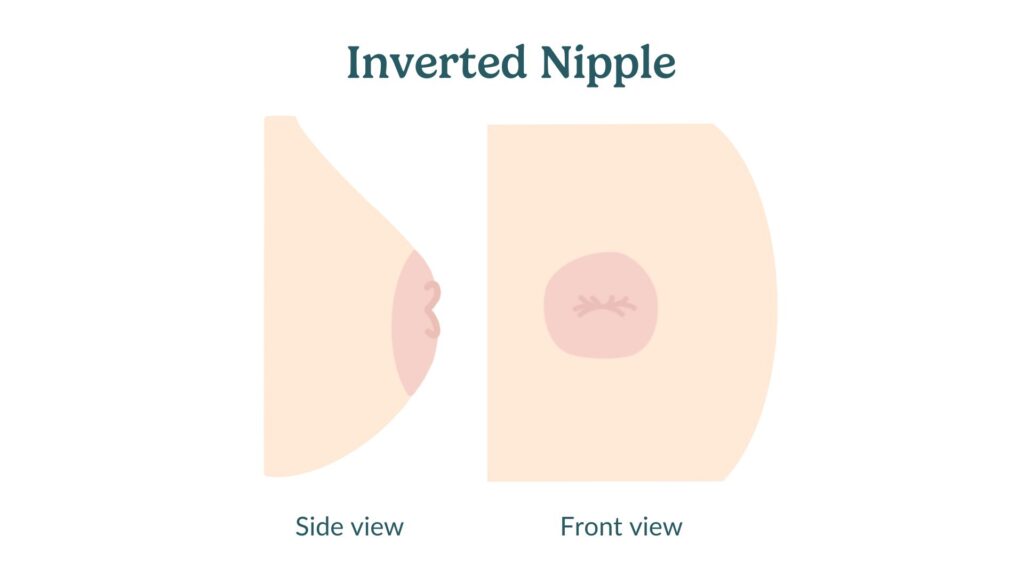
Most cases trace back to how the nipple developed before birth. Around the third trimester, tissue beneath the nipple normally grows enough to push it above the level of the areola. When that growth doesn’t fully happen, the nipple stays retracted, and the milk ducts underneath tend to be shorter and tighter than average, pulling it inward.
Inversion can also develop later in life, unrelated to how someone was born. Ageing and breast sagging, breastfeeding, chest infections like mastitis, sudden significant weight loss, and previous breast surgery can all cause acquired inversion by creating scar tissue or fibrosis that draws the nipple in.
The Three Grades of Nipple Inversion
Surgeons classify inverted nipples into three grades, based on how easily the nipple can be manipulated outward and how much the underlying ducts are affected, according to clinical reference guidance on the condition.
Grade 1: the “shy” nipple
Minimal fibrosis, normal milk ducts, and the nipple everts easily with gentle pressure and tends to stay out. This grade rarely interferes with breastfeeding.
Grade 2: moderate inversion
Moderate fibrosis around the ducts. The nipple can be pulled out but retracts again once released. Breastfeeding is usually still possible, though a baby may have more difficulty latching.
Grade 3: severe inversion
Significant fibrosis and shortened, constricted ducts. The nipple cannot be pulled out even with pressure, and breastfeeding is rarely possible. This grade is the one most likely to need surgical correction.
Is an Inverted Nipple Normal, or a Sign of a Problem?
On its own, and present from birth or puberty, it’s a benign anatomical variation rather than a medical problem. It sits alongside a wide range of normal breast appearances that people are often needlessly self-conscious about; how breast shape actually changes over a lifetime covers a similar myth around sagging that follows the same pattern.
The context that matters most is whether the inversion has always been there or has appeared recently. Lifelong inversion is almost always benign. New inversion in a nipple that used to point outward is the pattern worth paying closer attention to, covered in more detail below.
Can Inverted Nipples Affect Men Too?

Yes, though it’s discussed less often. The same developmental and acquired causes apply, and correction uses broadly the same techniques regardless of sex. It’s occasionally raised alongside gynecomastia surgery, when a patient having chest reduction also wants the nipple position addressed at the same time.
Does It Affect Breastfeeding?
It depends on the grade rather than the appearance alone. Grade 1 rarely causes issues, and many people breastfeed without ever noticing a difference. Grade 2 is more variable, sometimes requiring extra support with latching in the early days. Grade 3 usually does prevent breastfeeding from that breast, because the ducts themselves are constricted.
If future breastfeeding matters to you, it’s worth raising this specifically at consultation, since it directly affects which correction technique, if any, is appropriate.
When a New Inverted Nipple Needs Urgent Review
This is the one point in this guide worth reading even if you skip everything else. Breast Cancer Now lists a nipple that has become pulled in as one of the recognised symptoms of breast cancer, alongside a new lump, skin dimpling, unusual discharge, or a change in breast size or shape.
The distinction that matters is new versus lifelong. A nipple that has always been inverted, or one that everted normally through puberty and has stayed that way, is not the concern here. A nipple that used to point outward and has recently turned inward, particularly on one side only, should be checked by a GP promptly, regardless of whether anything else feels different.
Non-Surgical Options: Do They Actually Work?
Suction devices, nipple shells, and cup-based retractors are widely sold for this, and they can offer temporary projection for milder cases. None have strong evidence behind them for lasting correction, and older manual techniques involving repeated manipulation have actually been shown to risk damaging the milk ducts rather than helping.
For grade 1 inversion, conservative approaches have a reasonable track record, particularly around the time of breastfeeding, when the nipple often everts and stays out on its own. For grade 3, non-surgical methods are unlikely to achieve a lasting result.
Surgical Correction: What the Procedure Involves
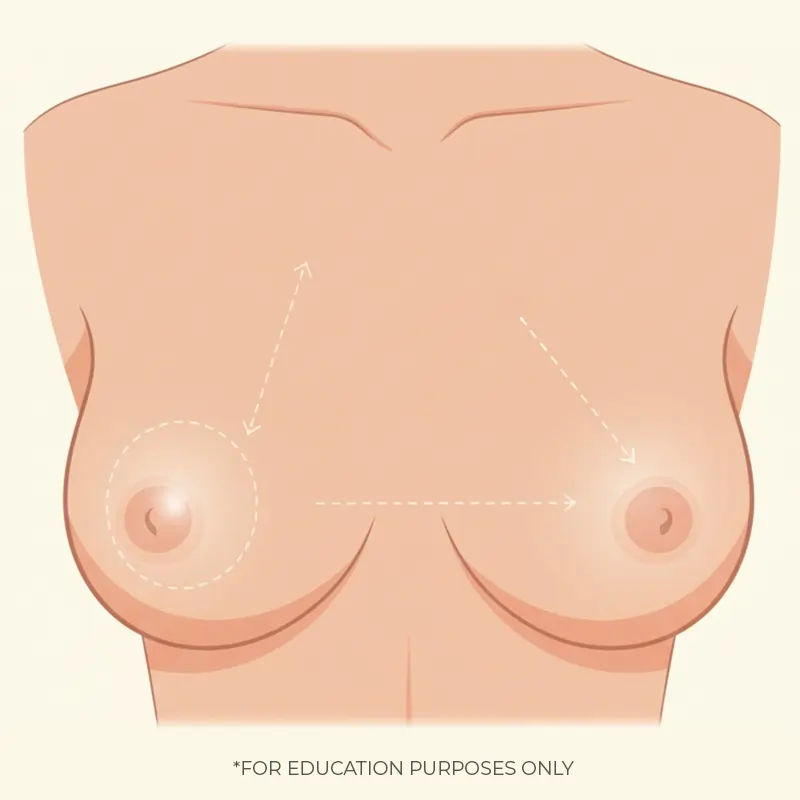
Correction is usually a short procedure performed under local anaesthetic, through small incisions made at the base of the nipple. The surgeon releases the tight fibrous bands and shortened ducts holding the nipple inward, then supports it in the corrected position while the tissue heals around it.
Lux Plastic Surgery offers inverted nipple correction using a duct-preserving technique wherever the grade and anatomy allow it, prioritising future breastfeeding potential over a marginally faster procedure.
Will Surgery Affect My Ability to Breastfeed Later?
It depends entirely on the technique used. Duct-preserving methods release the fibrous tissue while keeping the milk ducts intact, which can maintain breastfeeding potential, particularly for grade 1 and some grade 2 cases. Duct-dividing techniques cut the ducts to achieve a more reliable, permanent correction, but they end the ability to breastfeed from that nipple.
If you may want to breastfeed in the future, it’s generally sensible to wait until you’ve finished having children before considering a duct-dividing technique, or to discuss duct-preserving options with your surgeon in detail first.
Recovery After Inverted Nipple Correction
Most patients experience mild swelling and tenderness for a week or two, managed with simple dressings and an antiseptic ointment. Normal daily activities can usually resume within a few days, though direct pressure or friction on the area should be avoided while it heals.
The main thing to watch for during recovery is recurrence, which is most likely to show up in the six to twelve months after surgery, so attending any follow-up appointments matters more than it might seem to at the time.
Is Inverted Nipple Correction Right for You?
Good candidates are generally bothered enough by the appearance or function to want a change, in good general health, and clear about their future breastfeeding plans before choosing a technique. Correction is often considered alongside other breast procedures; the full range of breast surgery options gives useful context if you’re weighing this up against other changes at the same time.
It’s not right for everyone, and plenty of people with inverted nipples choose to simply live with them, which is a perfectly reasonable outcome too. This is a personal decision rather than a medical necessity in the vast majority of cases.
What I have learned about treating inverted nipples in practice

Patients are often relieved to hear how common this is. Many have carried quiet embarrassment about it for years, sometimes since their teens, without ever mentioning it to a doctor or partner, assuming it was unusual when it affects roughly one in five people.
At Lux Plastic Surgery, the conversation always starts with grade and future breastfeeding plans, not appearance alone, because the technique that best protects duct function isn’t always the one that gives the most dramatic projection. Getting that trade-off right matters more than most patients realise going in.
The other point worth repeating plainly: lifelong inversion is not a red flag, but a nipple that changes from normal to inverted later in life always deserves a proper look, not an assumption that it’s cosmetic.
Talk to a Specialist About Inverted Nipple Correction
Lux Plastic Surgery offers consultant-led inverted nipple correction in Bedford, London, and Manchester, performed by Professor Sandip Hindocha, FRCS (Plast), GMC-registered Consultant Plastic Surgeon and NHS Clinical Director. Every consultation starts with an honest assessment of your grade, goals, and any future breastfeeding plans before any technique is discussed.
To arrange a consultation, contact the team through the website. This article is for general information only and does not constitute medical advice. If you notice a new change to a nipple that was previously normal, see your GP promptly rather than relying on this guide to self-assess.
FAQ
Is it normal to have an inverted nipple?
Yes, it’s a common variation affecting an estimated 10 to 20 percent of people, most often present from birth. On its own, with no other changes, it’s considered a benign anatomical variation rather than a medical problem.
Can I still breastfeed with an inverted nipple?
Often, yes, particularly with grade 1 and many grade 2 cases. Grade 3, where the ducts are significantly constricted, usually does prevent breastfeeding from that breast. The nipple can also evert naturally during pregnancy and breastfeeding itself.
When should I see a doctor about an inverted nipple?
If it’s new, meaning the nipple previously pointed outward and has recently turned inward, especially on one side only. This pattern is a recognised symptom worth having checked by a GP promptly, rather than assumed to be cosmetic.
Does correction surgery hurt?
Most patients describe mild tenderness and swelling rather than significant pain, particularly since the procedure is usually done under local anaesthetic. Normal activities typically resume within a few days.
Will correction surgery stop me breastfeeding in future?
It depends on the technique. Duct-preserving methods aim to maintain breastfeeding potential, while duct-dividing techniques achieve a more permanent correction at the cost of breastfeeding from that nipple. Discuss your future plans with your surgeon before choosing.