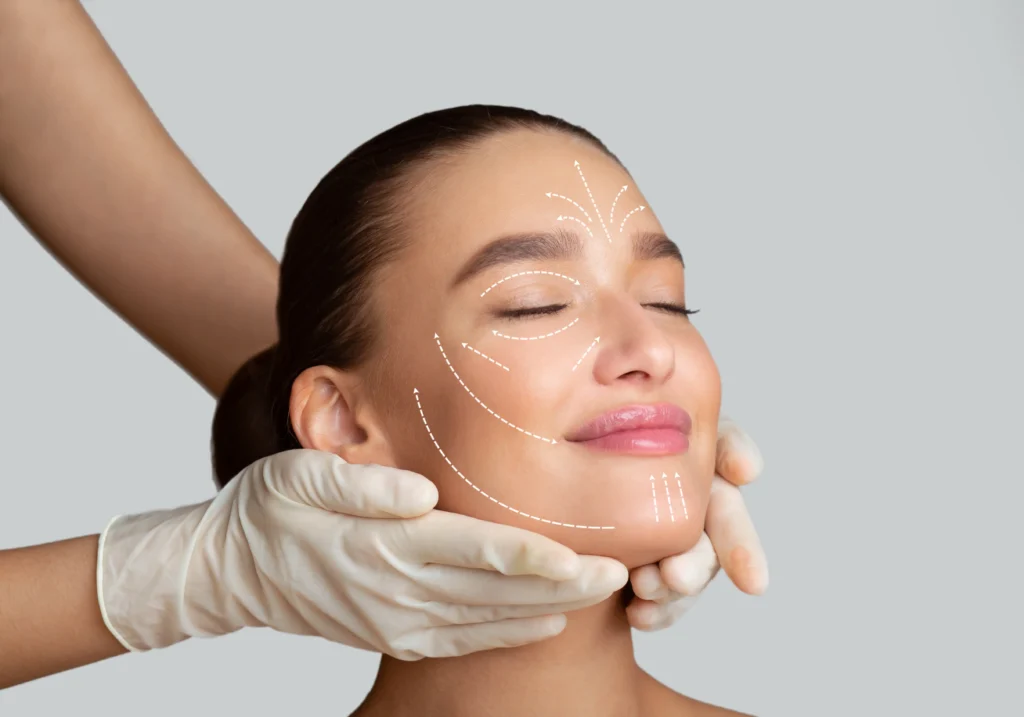
The defining plastic surgery trends of 2026 centre on subtlety, biological restoration, and early intervention rather than dramatic transformation. Facial plastic surgery treatments rose 19% between 2024 and 2025, signalling sustained patient confidence in cosmetic procedures. The field is now shaped by regenerative medicine, new neurotoxin therapies, and AI-assisted surgical planning. For UK adults weighing their options, understanding these shifts means making better-informed decisions about timing, technique, and the specialist you choose.
1. Plastic surgery trends 2026: the shift toward natural outcomes
The most significant change across cosmetic surgery in 2026 is not a single procedure. It is a philosophy. Over 80% of facial plastic surgery treatments are now minimally invasive, with neurotoxins and fillers leading procedure volumes. This tells you something important: patients are no longer seeking the most visible change possible. They are seeking the least detectable one.
The defining trend of 2026 is a move away from volumetric overcorrection toward strategic, early interventions that preserve tissue and maintain anatomy. Surgeons are being asked to slow the clock, not reset it. That distinction shapes every consultation, every technique selection, and every recovery plan.
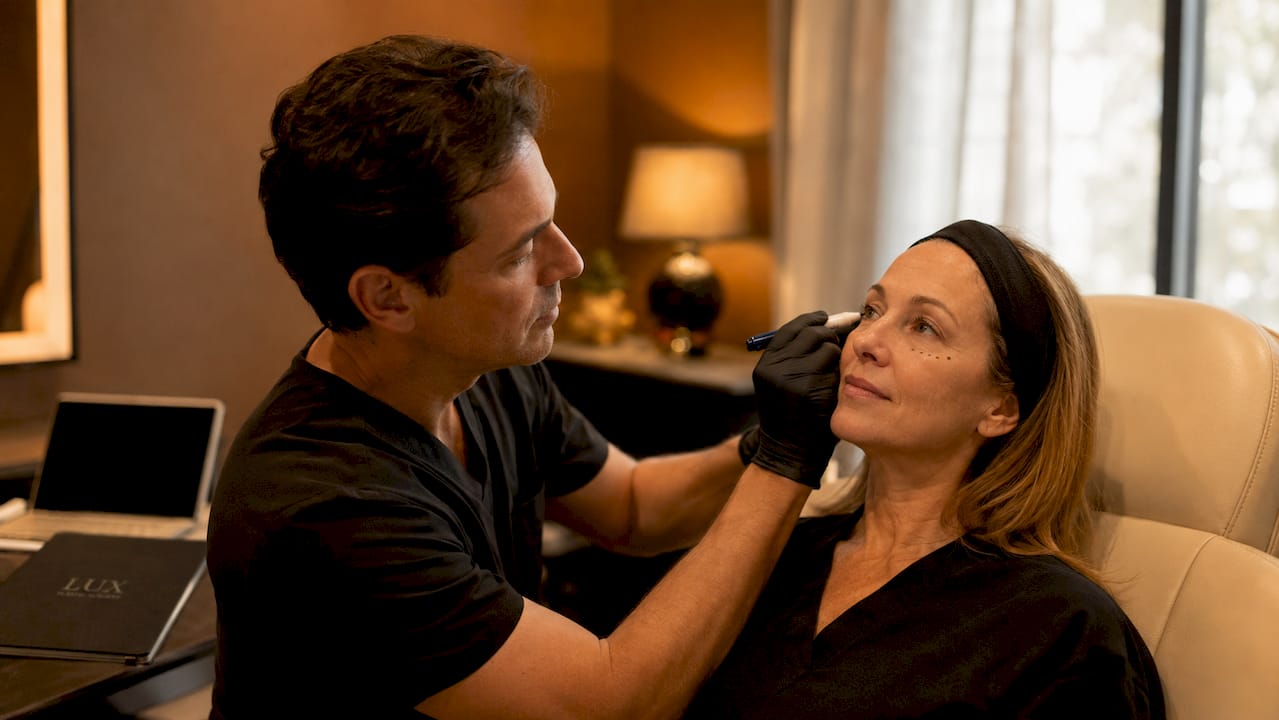
This shift also reflects a more informed patient. UK adults aged 35 to 60 are arriving at consultations with specific questions about longevity, safety, and how results will look in five years. The conversation has matured considerably, and the procedures available in 2026 are well positioned to meet that demand.
2. How regenerative techniques are transforming cosmetic surgery
Regenerative medicine has moved from a niche interest to a clinical standard across aesthetic practice. Rather than adding volume with synthetic materials, regenerative approaches work with the body’s own biology to restore tissue quality, stimulate collagen, and improve skin architecture from within.
The most widely used modalities in 2026 include:
- Platelet-rich plasma (PRP): Concentrated growth factors from the patient’s own blood, injected to stimulate collagen and improve skin texture.
- Platelet-rich fibrin (PRF): A second-generation PRP with a slower release of growth factors, offering more sustained tissue regeneration.
- Exosome therapy: Cell-signalling molecules that promote tissue repair at a cellular level, increasingly used alongside surgical procedures.
- Biostimulatory fillers: Products such as poly-L-lactic acid and calcium hydroxylapatite that stimulate the body’s own collagen rather than simply filling space.
- Fat grafting: Autologous fat transfer that combines volume restoration with regenerative properties from adipose-derived stem cells.
Biological restoration via regenerative techniques like PRP, PRF, and exosome therapy is now considered standard in treatment planning, used to enhance skin quality rather than simply address volume loss. The results tend to look more natural because they are, in a meaningful sense, more natural.
One particularly notable development involves the relationship between GLP-1 weight-loss medications such as semaglutide and fat grafting demand. Surgeons report a 50% increase in fat grafting procedures per surgeon, correlating directly with facial volume loss experienced by patients using these medications. The complex interplay of systemic medications and aesthetic refinements demands personalised surgical plans with a regenerative emphasis, not a one-size-fits-all approach.
Pro Tip: If you are currently using or have recently stopped a GLP-1 medication, inform your surgeon before any consultation. Facial volume changes from these drugs can be significant and should be fully assessed before selecting a regenerative technique.
3. The rise of early intervention and prejuvenation
“Prejuvenation” is the term now used across aesthetic medicine to describe preventative procedures undertaken before visible ageing becomes established. The concept is straightforward: it is easier to maintain tissue than to restore it. This principle is driving a measurable shift in patient demographics.
57% of facial plastic surgeons report an increase in patients under 30 seeking preventative aesthetic procedures to support long-term skin health. That figure reflects a generational change in how younger adults relate to their appearance and to medical aesthetics. It also places new demands on practitioners to counsel patients appropriately about realistic expectations and the risks of intervening too early.
For patients in the 35 to 60 age range, early intervention takes a different form. The most commonly sought procedures in this cohort include:
- Neurotoxin treatments to soften dynamic lines before they become static.
- Biostimulatory fillers to maintain collagen density rather than replace lost volume.
- Skin quality treatments including medical-grade peels, laser resurfacing, and PRP to preserve skin architecture.
- Blepharoplasty (eyelid surgery) as a functional and aesthetic procedure that addresses early tissue laxity.
- Thread lifts as a lower-commitment option for mild facial ptosis.
Changing attitudes toward the menopause are also reshaping this picture. More women are seeking aesthetic consultations specifically in the context of hormonal change, recognising that oestrogen loss accelerates collagen depletion and skin thinning. Procedures that address these physiological changes, rather than simply masking them, are gaining traction.
Men are also a growing part of this conversation. Men increasingly seek procedures historically associated with female patients, including eyelid surgery, facelifts, and injectables. The motivations cited most often include workplace confidence and a desire to look as capable as they feel, rather than vanity in the traditional sense.
4. New neurotoxin therapies: fast-acting and tailored options
The injectable neurotoxin market has been dominated for decades by botulinum toxin type A products. That is beginning to change. The most significant development in 2026 is the emergence of trenibotulinumtoxin E, marketed under the name Boey, which received a positive opinion from the European Medicines Agency in May 2026.
Boey works differently from traditional botulinum toxin A in several clinically relevant ways:
- Onset of action: Boey produces visible results within approximately 8 hours of injection. Traditional botulinum toxin A products such as Botox typically take 3 to 7 days to take effect.
- Duration of effect: Boey’s effects last 2 to 3 weeks, compared to the 3 to 4 months offered by standard neurotoxins.
- Mechanism: Trenibotulinumtoxin E acts on a different cleavage site within the neuromuscular junction, which means it is not cross-reactive with existing botulinum toxin A antibodies.
- Target indication: Boey is currently approved for glabellar lines (the frown lines between the brows), with broader indications likely to follow.
The rapid onset and short duration of Boey are designed to appeal to patients who have been reluctant to commit to longer-lasting neurotoxin effects. This positions it as a lower-commitment entry point into injectable treatments, potentially expanding the patient pool considerably.
The clinical trade-offs deserve careful consideration. Shorter effect duration requires patients to weigh rapid aesthetic results against increased injection frequency, which carries implications for long-term immunogenicity and cost. More frequent injections mean more opportunities for the immune system to develop neutralising antibodies, which can reduce the effectiveness of neurotoxin treatments over time.
Pro Tip: If you are considering Boey as a first neurotoxin experience, discuss the frequency implications with your practitioner before committing. The short duration may suit a trial, but the long-term plan should be mapped out from the outset.
For practitioners, the business impact is also notable. Boey is poised to expand the market by appealing to cosmetic treatment doubters, changing patient experiences and clinic visit rhythms. Clinics will need to adapt appointment scheduling and patient education to accommodate a product with fundamentally different treatment cycles.
5. AI and robotics: precision and personalised planning in 2026
Artificial intelligence and robotic assistance are now embedded in surgical planning and execution across leading aesthetic centres. The change is not cosmetic (in the colloquial sense). These technologies are altering how surgeons prepare, how patients understand their options, and how procedures are performed.
| Capability | Traditional approach | AI and robotic-assisted approach |
|---|---|---|
| Facial mapping | Manual assessment and photographs | Machine learning analysis of thousands of facial data points |
| Outcome modelling | Surgeon estimation and patient discussion | Predictive digital visualisation of post-procedure results |
| Surgical precision | Surgeon skill and experience alone | Robotic guidance reducing instrument deviation |
| Patient education | Verbal explanation and static images | Interactive 3D models and simulated outcome previews |
| Recovery planning | Generalised post-operative protocols | Personalised recovery timelines based on individual anatomy |
AI-driven surgical planning uses machine learning to analyse thousands of facial data points, enabling predictive modelling of outcomes and minimising human error during complex procedures. For patients, this translates into more informed consent and a clearer understanding of what a procedure will and will not achieve.
AI and robotic surgery improve precision, reduce invasiveness, and shorten recovery time while allowing personalised surgical planning with real-time feedback. These are not marginal gains. In procedures such as brow lifts, rhinoplasty, and blepharoplasty, where millimetres matter, the ability to plan with greater accuracy has a direct impact on outcomes.
The critical caveat is that technology does not replace the surgeon. AI integration enhances communication and safety by combining data with clinical judgement, but experienced surgeons remain the essential interpreters of that data. A machine can model an outcome. Only a skilled surgeon can deliver it safely, adapting in real time to the individual patient’s anatomy and response. For patients choosing a surgeon, the presence of AI tools is a positive indicator, but it is not a substitute for verifying credentials, experience, and a track record of natural results. You can read more about choosing an experienced surgeon before making any decision.
The patient experience benefit is also significant. Digital visualisation tools allow patients to see predictive outcomes before committing to a procedure, reducing anxiety and improving satisfaction. When expectations are set accurately from the outset, the post-operative experience is measurably better.
Key takeaways
The plastic surgery trends of 2026 are defined by regenerative science, early intervention, and technology-assisted precision, all in service of natural, individualised outcomes.
| Point | Details |
|---|---|
| Natural results are the standard | Over 80% of facial procedures are now minimally invasive, reflecting patient demand for subtle, undetectable change. |
| Regenerative medicine is mainstream | PRP, PRF, fat grafting, and biostimulatory fillers are now standard tools, not specialist add-ons. |
| Prejuvenation is reshaping demographics | 57% of surgeons report more patients under 30, but early intervention is equally relevant for adults in their 40s and 50s. |
| New neurotoxins change the options | Boey offers an 8-hour onset and 2 to 3 week duration, creating a lower-commitment entry point for injectable treatments. |
| AI assists but does not replace surgeons | Technology improves planning and precision, but experienced clinical judgement remains the deciding factor in outcomes. |
What these trends mean for patients seeking expert care
The trends shaping 2026 are genuinely exciting from a clinical perspective, but they also require careful interpretation. New technologies and new products do not automatically translate into better outcomes for every patient. The question is always whether a given approach is right for a specific individual, at a specific point in their aesthetic journey.
What I find most encouraging about the current direction of the field is the emphasis on working with biology rather than against it. Regenerative techniques, prejuvenation, and AI-assisted planning all share a common logic: understand the individual’s anatomy, respect it, and intervene with precision rather than force. That is the approach that produces results patients are genuinely happy with five and ten years later.
The arrival of Boey is a good example of where careful clinical thinking matters. The rapid onset is appealing, and the short duration will suit some patients well. But the implications of more frequent injections over time, particularly around immunogenicity, are not trivial. Patients deserve a full discussion of those trade-offs before they commit, not a simplified marketing message about how quickly they will see results.
On the technology side, I would encourage patients to ask their surgeon directly how AI and digital planning tools are used in their practice. Not every clinic that mentions AI is using it in a clinically meaningful way. The distinction between a surgeon who uses machine learning for genuine outcome modelling and one who uses a basic photo-editing app is significant, and patients are entitled to understand that difference.
The evolving patient profile, including more men, more patients in their 30s, and more patients navigating menopause-related changes, reflects a broader cultural shift toward treating aesthetic medicine as part of overall health maintenance. That is a healthy development. It means more people are having earlier, more honest conversations with qualified specialists, which leads to better decisions and better outcomes. For anyone considering a personalised facial procedure, the most important first step remains the same: consult a GMC-registered specialist with a demonstrable track record in the specific procedure you are considering.
— Lux
Explore advanced aesthetic care at Lux Plastic Surgery
Lux Plastic Surgery offers a full range of surgical and non-surgical treatments aligned with the most clinically sound developments in aesthetic medicine. Professor Sandip Hindocha, GMC-registered Consultant Plastic Surgeon and NHS Clinical Director, leads every consultation with a focus on natural, personalised outcomes.
Whether you are considering regenerative treatments, facial surgery, or non-surgical aesthetic options, each treatment plan at Lux is built around your individual anatomy and goals. The practice serves patients across Bedford, London, and Manchester. To explore the full range of surgical and non-surgical services available, or to book a consultation with Professor Hindocha, visit the Lux Plastic Surgery website. This article is for informational purposes only and does not constitute medical advice. Please consult a GMC-registered specialist before pursuing any cosmetic procedure.
FAQ
What are the most popular plastic surgeries in 2026?
Minimally invasive procedures lead procedure volumes in 2026, with neurotoxins, dermal fillers, and fat grafting among the most requested. Surgical procedures including blepharoplasty and facelifts remain popular, particularly among patients seeking longer-lasting structural results.
What is prejuvenation and who is it suitable for?
Prejuvenation refers to preventative aesthetic treatments undertaken before visible ageing becomes established, typically using neurotoxins, biostimulatory fillers, and skin quality treatments. It is suitable for adults from their late 20s onwards, though the specific approach should always be guided by a qualified specialist.
How does Boey differ from standard Botox?
Boey (trenibotulinumtoxin E) acts within approximately 8 hours and lasts 2 to 3 weeks, whereas standard botulinum toxin A products take 3 to 7 days to work and last 3 to 4 months. The shorter duration makes it a lower-commitment option, though more frequent injections carry considerations around immunogenicity that should be discussed with your practitioner.
Is AI-assisted surgery safer than traditional surgery?
AI and robotic assistance improve precision and personalised planning, but they do not replace the clinical judgement of an experienced surgeon. The safest outcomes result from combining advanced technology with a qualified, GMC-registered specialist who has a proven record in the procedure you are considering.
Are regenerative treatments such as PRP available in the UK?
Yes. PRP, PRF, fat grafting, and biostimulatory fillers are widely available at reputable UK aesthetic clinics. These treatments are most effective when delivered as part of a personalised plan by a qualified practitioner, rather than as standalone procedures without clinical assessment.