Non-surgical aesthetic treatments have become one of the most popular routes to cosmetic enhancement across the UK, yet navigating the options has never felt more complex. From evolving regulations and an influx of new clinics to social media trends pushing bold, overdone looks, many adults are left unsure of who to trust or what to choose. This guide cuts through the noise. Whether you are considering Botox, dermal fillers, skin tightening, or something more nuanced, you will find clear criteria, treatment comparisons, and evidence-based guidance to help you make a confident, well-informed decision that prioritises your safety and a result that looks genuinely like you.
Key Takeaways
| Point | Details |
|---|---|
| Check provider credentials | Qualified, registered, and insured practitioners are essential for safe non-surgical treatments. |
| Prioritise subtle, natural results | A conservative approach and clear communication help you avoid an unnatural appearance. |
| Understand UK regulations | New licensing rules in 2025 require stringent standards for practitioners and clinics. |
| Know your treatment options | Botox, fillers, HIFU, and other treatments each have different benefits and durations. |
How to evaluate non-surgical aesthetic treatments
Choosing the right non-surgical treatment starts long before you pick up the phone to book an appointment. The decisions you make at the research and consultation stage will directly determine your safety, your results, and your overall experience. Understanding the regulatory landscape is the single most important place to begin.
In the UK, aesthetic medicine safety is governed by a layered set of rules that changed significantly from 2025 onwards. Under the new licensing framework, Botox must be prescribed by a doctor, dentist, pharmacist, or nurse prescriber, while dermal fillers remain non-prescription but carry strict requirements around training and product standards. The new scheme organises procedures into green, amber, and red tiers based on risk level, with high-risk treatments requiring CQC-regulated oversight. All practitioners must meet minimum standards for training, insurance, and clinic hygiene, and no one under 18 may legally receive these treatments.
“The new licensing approach is intended to ensure that only appropriately trained and insured practitioners carry out these procedures, giving patients far greater protection than the previous unregulated landscape allowed.”
Beyond the legal framework, there are several practical questions you should raise directly in any consultation. These include:
- Qualifications and registration: Is your practitioner on a recognised register such as JCCP or Save Face? Are they medically trained?
- Insurance: Does the clinic carry adequate indemnity insurance specific to aesthetic procedures?
- Consent process: Is there a thorough consultation before any treatment? Are alternatives discussed?
- Clinic standards: Is the environment clean, clinical, and equipped for emergency response?
- Ethical practice: Does the practitioner ever decline to treat? Willingness to say no is a mark of genuine expertise.
Using a safe UK selection guide to prepare your questions before a consultation can save you from making a choice you later regret. A good practitioner will always welcome an informed patient.
Pro Tip: Bring a list of questions to your first consultation. Any clinic that discourages questions or rushes you to book immediately is one to avoid.
A tailored treatment plan is not just a nice-to-have; it is essential. Your face is unique, and your aesthetic goals are personal. Avoid any provider offering a one-size-fits-all price menu with no prior assessment. The most skilled practitioners will consider your facial anatomy, skin quality, age, and long-term goals before recommending a single treatment.
Top non-surgical treatments: features and benefits
Now that you know what to look for in a provider and clinic, let’s explore the main treatments available. The UK non-surgical aesthetic market offers a wider range of options than ever before, and understanding how each works will help you align the right treatment with your specific goals.
Botox (Botulinum toxin) remains the most widely requested non-surgical treatment in the UK. It works by temporarily relaxing facial muscles to smooth dynamic wrinkles, those caused by repeated movement such as frowning, squinting, or smiling. Effects typically last between three and six months, and research suggests that repeated use over time may encourage longer-lasting muscle retraining. Botox is most effective for forehead lines, frown lines between the brows, and crow’s feet around the eyes. Intradermal Botox, injected more superficially into the skin rather than the muscle, has shown measurable improvements in skin quality, sebum, and pore size, representing a newer application gaining traction in the UK.
Dermal fillers use hyaluronic acid or similar substances to restore lost volume, define contours, and soften static wrinkles. Common areas include the lips, cheeks, under-eye hollows, jawline, and nose. Results from fillers in the periorbital area show GAIS scores (Global Aesthetic Improvement Scale) of over 70% improvement at three months, with effects measurable out to 12 months in many cases. Unlike Botox, fillers address structural loss rather than muscle activity.
HIFU (High Intensity Focused Ultrasound) is a needle-free skin tightening treatment that stimulates collagen production by targeting the deeper layers of tissue. Clinical data supports 18 to 30% reduction in skin laxity following HIFU treatment, making it particularly appealing for those who want measurable lifting without injectables. It suits the jawline, neck, brow, and décolletage.
Here is a comparison of the most common options:
| Treatment | Target concern | Typical duration | Downtime |
|---|---|---|---|
| Botox | Dynamic wrinkles | 3 to 6 months | Minimal, 24 hours |
| Dermal fillers | Volume loss, contour | 6 to 12 months | Minimal to moderate |
| HIFU | Skin laxity, lifting | 12 to 18 months | None |
| Thread lifts | Sagging skin | 12 to 18 months | Minimal |
| Microneedling | Texture, scarring | 3 to 6 months (course) | 24 to 48 hours |
| Skin boosters | Hydration, radiance | 3 to 6 months | Minimal |
Other popular options include thread lifts, which use dissolvable sutures to mechanically lift sagging tissue, and skin boosters such as Profhilo, which improve hydration and overall skin quality rather than targeting specific features. Microneedling stimulates collagen and is particularly effective for skin texture, fine lines, and acne scarring. For facial reshaping options that go beyond a single treatment, many clinics now offer combination protocols designed to work across multiple concerns simultaneously.
- Skin boosters are ideal for early-stage ageing and overall luminosity
- Thread lifts suit those wanting visible lift without surgical commitment
- Microneedling is a reliable foundation treatment for almost any skin type
Comparing results: Natural vs. overdone outcomes
Once you understand treatment types, it’s crucial to know how natural results are achieved and how to avoid a “worked-on” appearance. This is where the skill of your practitioner matters most, often more than which treatment you select.
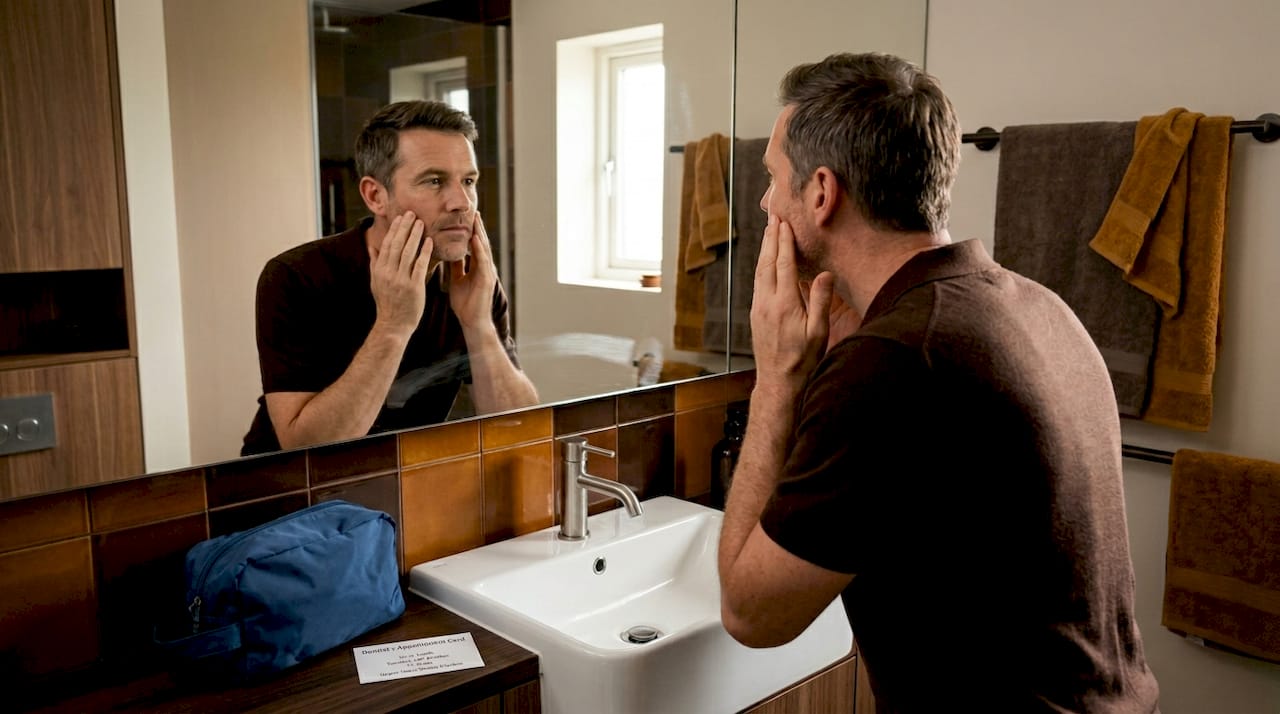
A natural result is one where you look refreshed and well-rested rather than altered. It preserves your facial expressions, maintains movement, and respects the underlying structure of your face. An overdone result, whether through too much filler, incorrectly placed Botox, or repeated treatment without adequate rest between sessions, creates a look that draws attention to itself. Think pillow face, a frozen forehead, or lips that no longer close naturally.
Conservative dosing, anatomical precision, and combination planning are the three principles that consistently produce the best natural outcomes. A practitioner working with less product but greater precision will outperform one using higher volumes with less care every single time. This is not an opinion; it is what the clinical evidence and long-term patient satisfaction data both show.
“Less is genuinely more in non-surgical aesthetics. The goal is never to eliminate evidence of time, but to soften its visible effects while preserving the character and mobility that makes a face yours.”
How you communicate your goals matters enormously. Before any treatment, come prepared:
- Bring reference images of results you admire (natural ones, not heavily filtered social media edits)
- Be clear about which specific concerns matter most to you
- Ask your practitioner to explain exactly what they plan to inject, where, and why
- Discuss what “success” looks like to you and how that will be assessed at follow-up
| Approach | Likely outcome |
|---|---|
| Conservative dosing, experienced practitioner | Refreshed, natural result with mobility retained |
| Aggressive treatment, less experienced provider | Risk of frozen appearance or visible distortion |
| Personalised plan, combination treatments | Harmonious, multidimensional improvement |
| Off-the-shelf menu, no assessment | Inconsistent results, possible over-treatment |
Pro Tip: If a practitioner cannot articulate why they are recommending a specific product or placement, that is a warning sign. Expertise shows itself through detailed explanations, not just confident delivery.
Learning to start subtle is one of the smartest approaches in non-surgical aesthetics, particularly if you are new to treatment. You can always add more; you cannot easily reverse an overfilled face.
Risks, safety and new UK regulations explained
It’s essential to weigh not just the aesthetic results but the safety and regulatory side of treatment. Non-surgical does not mean no-risk, and understanding the risks clearly is part of making a genuinely informed choice.
The main risks associated with non-surgical treatments include bruising, swelling, and tenderness at the injection site. More serious complications, including vascular occlusion (where filler enters a blood vessel), infection, and in extreme cases, tissue necrosis, are rare but do occur, almost always in the context of unqualified practitioners using substandard products. Cases of botulism linked to unregulated Botox-like products have also been documented in the UK, underscoring the danger of choosing providers on price alone. The risks of unregulated practice and the potential for over-treatment specialist to distortion are two of the most significant concerns driving the UK government’s updated licensing framework.
The new scheme, implemented from 2025, categorises procedures into three tiers. Green procedures carry low risk and require baseline training and hygiene standards. Amber procedures require documented clinical training and insurance. Red procedures, which include treatments with the highest complication potential, must be carried out in CQC-registered environments by appropriately credentialled practitioners. This structure gives patients a much clearer framework for verifying safety before they commit.
“The regulatory shift represents a genuine turning point for patient safety in the UK aesthetic sector. For the first time, there is a clear, enforceable standard that providers must meet.”
Checking your provider’s credentials is straightforward. The following checklist covers the essentials:
- JCCP register: Confirm your practitioner appears on the Joint Council for Cosmetic Practitioners register
- Save Face accreditation: Look for Save Face-registered clinics, which have been independently assessed
- Medical indemnity: Ask directly whether the clinic holds specific aesthetic treatment indemnity
- CQC registration: For higher-risk treatments, confirm the premises are CQC-registered
- Product traceability: Legitimate clinics will be able to confirm the brand and batch number of any product used
It is also worth knowing where the NHS stands. Non-surgical cosmetic procedures are not NHS-funded unless there is a clear medical or reconstructive need, such as treating a deformity or a condition causing functional impairment. The private sector dominates this market entirely. That places the full responsibility of research and verification on the patient, which is precisely why the criteria outlined above matter so much.
Understanding safety and results together, rather than viewing them as separate concerns, is the hallmark of a genuinely informed approach to non-surgical aesthetics.
Our perspective: Why less is truly more in non-surgical aesthetics
After reviewing the evidence, observing patient outcomes across thousands of treatments, and working alongside some of the UK’s most respected aesthetic practitioners, one principle stands out above all others: the quality of your practitioner will always outweigh the quantity of product used.
We have seen patients arrive at consultations carrying a list of treatments they have read about online, and leave with a single, conservative plan that delivers more than they imagined possible. That is not a sales trick. It reflects what the evidence consistently shows: conservative, anatomically precise treatment produces the most satisfying results over the long term.
The trend in the UK is shifting, and rightly so, towards subtlety. Patients who previously sought dramatic change are returning for refinement. The “frozen face” aesthetic is falling out of favour, not just culturally but clinically, because skilled practitioners are choosing differently.
Ethical refusal matters, too. When a consultant tells you they will not carry out a procedure because it would not serve you well, that is expertise speaking. It is not a rejection. It is exactly the kind of care you should seek out when exploring expert consultations for your own aesthetic goals.
Discover your personalised approach to enhancement
If you are ready to start your own natural, confident enhancement, here is how Lux Plastic Surgery can help.
At Lux Plastic Surgery, Professor Sandip Hindocha and his team specialise in bespoke, natural-looking outcomes across a full range of non-surgical treatments. Every patient begins with an in-depth consultation designed to understand their goals, assess their anatomy, and create a plan tailored specifically to them. There is no one-size menu here. Whether you are exploring your first treatment or looking to refine a previous result, our approach to a personalised non-surgical journey begins with listening. Learn more about our commitment to treatment safety and quality, or book your consultation to take the first step with confidence.
FAQ
How long do results from non-surgical treatments last?
Results from treatments like Botox typically last 3 to 6 months, while dermal fillers can offer visible improvement for 6 to 12 months depending on the area and product used, with periorbital filler results measurable at 12 months in clinical studies.
Are all non-surgical procedures regulated in the UK?
From 2025 onwards, most non-surgical cosmetic procedures fall under a new licensing scheme requiring practitioners to meet standards for training, insurance, and hygiene, with procedures tiered by risk level.
Can I get non-surgical aesthetic treatments on the NHS?
The NHS does not fund non-surgical cosmetic procedures unless there is a clinical medical need, meaning virtually all aesthetic treatments are carried out privately.
What are the most important safety checks before choosing a provider?
Always confirm your practitioner is JCCP or Save Face registered, carries appropriate insurance, and practises within a licensed, hygienic clinic environment before committing to any treatment.