Otoplasty is often thought of as something done in childhood, but adults have it too, and there is no upper age limit for healthy adults.
It’s also one of the few cosmetic procedures where the NHS may fund surgery for children, under strict criteria that vary by area. For adults, it is almost always a private decision.
Here’s what otoplasty involves, who it suits, what recovery looks like, what it costs privately, and when the NHS may step in.
Key takeaways
| Point | Details |
|---|---|
| What it does | Reshapes ear cartilage so the ears sit closer to the head. |
| Not just for children | Adults of any age can have it, provided they are healthy and have realistic expectations. |
| Typical private cost | Roughly £3,000 to £5,000 for both ears, depending on surgeon, anaesthetic and facility. |
| Recovery | A supportive headband is worn for several weeks, and most people return to work within one to two weeks. |
| Recurrence is a known risk | Ears can drift forward again, so surgeon experience matters. |
| NHS funding is limited | Usually only for children with significant distress or for hearing-aid fit, under local criteria. |
What otoplasty is
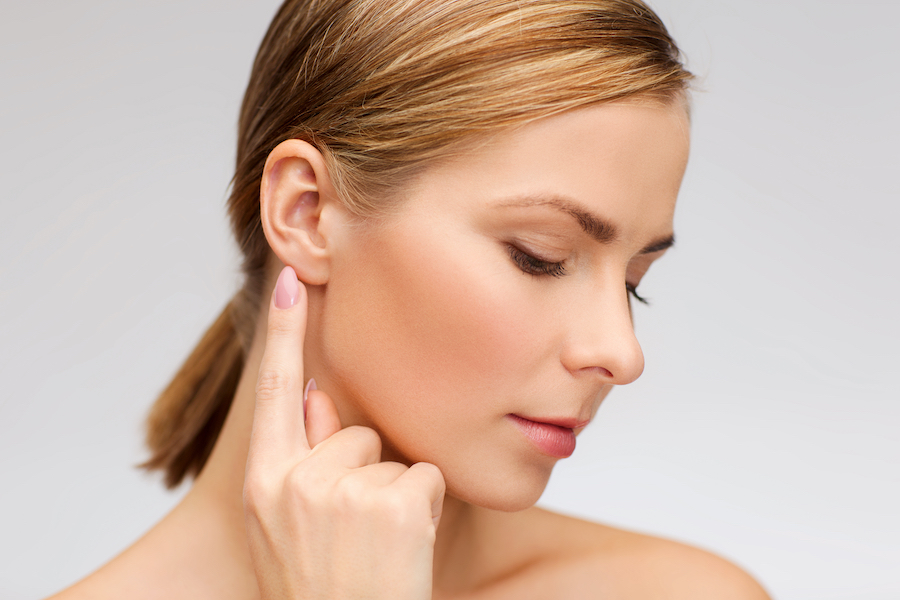
Otoplasty, also called ear correction surgery, ear pinning or pinnaplasty, reshapes the cartilage of the ear so it sits closer to the head and looks more balanced. It doesn’t change your hearing.
A consultant plastic surgeon’s guide to popular cosmetic procedures places it among the operations that suit both children and adults.
Why some ears stick out
Prominent ears usually come from a missing or weak fold in the cartilage (the antihelix), a large bowl at the centre of the ear (the concha), or both. They are usually inherited, not caused by anything you did.
Understanding which factor applies to you matters, because the surgical technique is chosen to match it.
How the operation works
The surgeon makes a small incision in the crease behind the ear, so the scar is hidden. The cartilage is then reshaped with stitches, by gently scoring it, or by removing a small amount, depending on your ear.
Anaesthetic
Adults often have local anaesthetic with or without sedation, while children are more commonly treated under general anaesthetic. Your surgeon will recommend what suits you.
How long it takes
Both ears usually take around one to two hours, and you go home the same day.
The right age for otoplasty
Ears reach close to their adult size in early childhood, which is why surgery is possible from around five or six. The decision should be the child’s own, not just a parent’s wish.
For adults there is no upper age limit. Suitability depends on general health and on having realistic expectations, which is why what natural-looking results actually mean is a useful read before your consultation.
Recovery
You’ll have a bandage for the first few days, then a soft headband to wear day and night at first and often at night only for several weeks. This protects the new shape while it settles.
Mild soreness, bruising and tightness are normal. Many adults return to work within one to two weeks, and contact sports usually wait around six weeks. Your surgeon will confirm your own timeline.
Risks, including recurrence
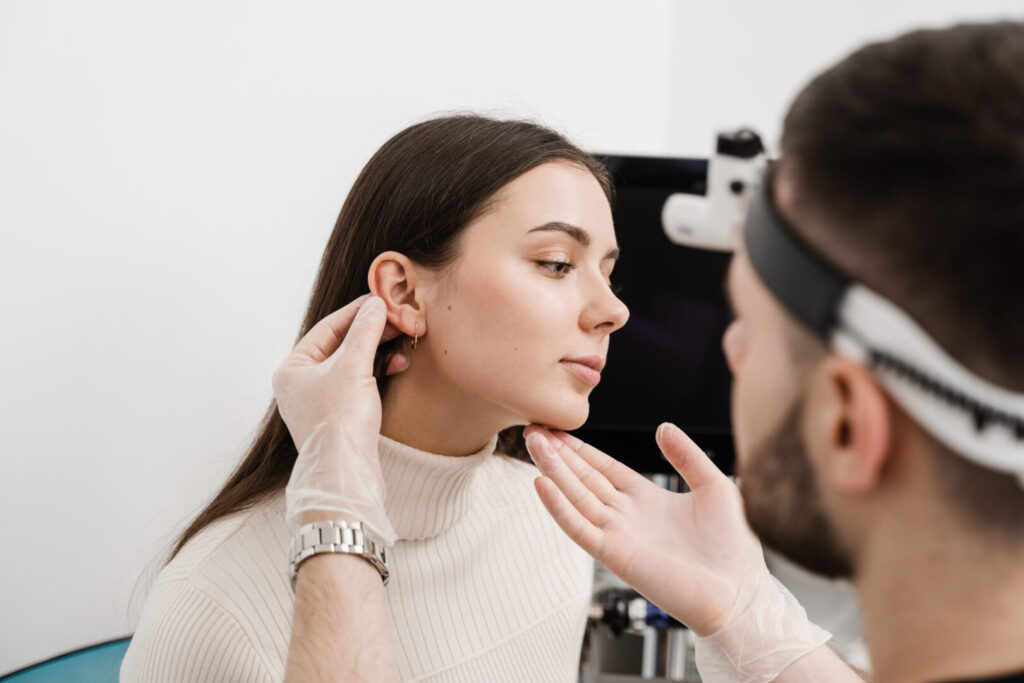
Risks include bleeding under the skin (haematoma), infection, asymmetry, stitch problems, and scarring. The most discussed long-term issue is recurrence, where the ears drift forward again over time.
Recurrence is more likely with stiffer adult cartilage or an inexperienced surgeon, which is why choosing a consultant plastic surgeon matters more than chasing the lowest price.
How much does otoplasty cost?
Private otoplasty in the UK is typically quoted from around £3,000 for both ears, with most quotes falling between about £3,000 and £5,000. The final figure depends on the surgeon, the type of anaesthetic and the facility.
Ask what the quote includes: consultation, surgeon and anaesthetist fees, facility costs, the headband and follow-up. Also ask what happens if you need a revision.
Is otoplasty available on the NHS?
Sometimes, for children. NHS England’s ENT commissioning policy says otoplasty is not routinely funded, but allows it for ages 5 to 18 with prominent ears and significant distress such as bullying, or when correction is needed to support a hearing aid.
Local policies are stricter. One ICB’s pinnaplasty policy sets an age range of 7 to 18, a measurable ear-prominence threshold, and consultant-verified psychological distress. Adults seeking correction for appearance are generally expected to self-fund.
Other ear concerns it doesn’t treat
The operation corrects prominence and shape. It isn’t the right operation for injury-related deformity, which is covered in the guide to cauliflower ear and its treatment, nor for lumps and cysts.
If a lump on the lobe is your concern, what causes an earlobe cyst and when to remove it explains your options.
Who is a good candidate
Good candidates are in good general health, have finished growing, and want a natural-looking improvement, not a “perfect” ear. Active ear infections or skin conditions around the ear usually need treating first.
Questions to ask your surgeon
Ask which technique they’d use for your ears and why, how often they perform it, what their revision policy is, and to see results on ears similar to yours. Confirm they are a GMC-registered consultant plastic surgeon.
This article is for general information only and does not constitute medical advice. Prices are indicative and vary by surgeon and clinic, so always request a written quote.
FAQ
What is the best age for otoplasty?
Surgery is possible from around five or six, once the ears are close to adult size, and there is no upper age limit for healthy adults. For children, it should be the child’s own wish.
Will I have visible scars after ear correction?
The incision is placed in the crease behind the ear, so the scar is hidden in most cases and fades over time.
Is ear correction surgery painful?
Most people describe soreness and tightness rather than severe pain, and it is manageable with standard pain relief in the first few days.
Can the ears stick out again after ear pinning?
It can happen. Recurrence is a recognised risk, more likely with stiff cartilage or less experienced surgeons, which is why surgeon choice matters.
Does the NHS pay for otoplasty?
Sometimes for children aged roughly 5 to 18 with significant distress, or for hearing-aid fit, under local criteria. Adults seeking appearance changes usually pay privately.