Successful facial surgery recovery planning is defined as the structured preparation of your environment, care routine, and expectations before and after a surgical procedure on the face. Knowing how to plan facial surgery recovery properly reduces the risk of complications, supports optimal healing, and helps you achieve the results you and your surgeon have discussed. The British Association of Aesthetic Plastic Surgeons (BAAPS) and NHS guidance both emphasise that post-operative care is as important as the procedure itself. At Lux Plastic Surgery, Professor Sandip Hindocha, GMC-registered Consultant Plastic Surgeon and FRCS (Plast), directs all patient aftercare with the same clinical rigour he applies to surgery. This guide covers the full facial surgery recovery timeline, from the first 48 hours through to scar maturation, so you can prepare with confidence.
How to plan facial surgery recovery: the first 48 hours
The first 48 hours after facial surgery are the most critical period for controlling swelling, preventing bleeding, and protecting your incisions. Your choices during this window have a direct impact on how smoothly the rest of your recovery progresses.
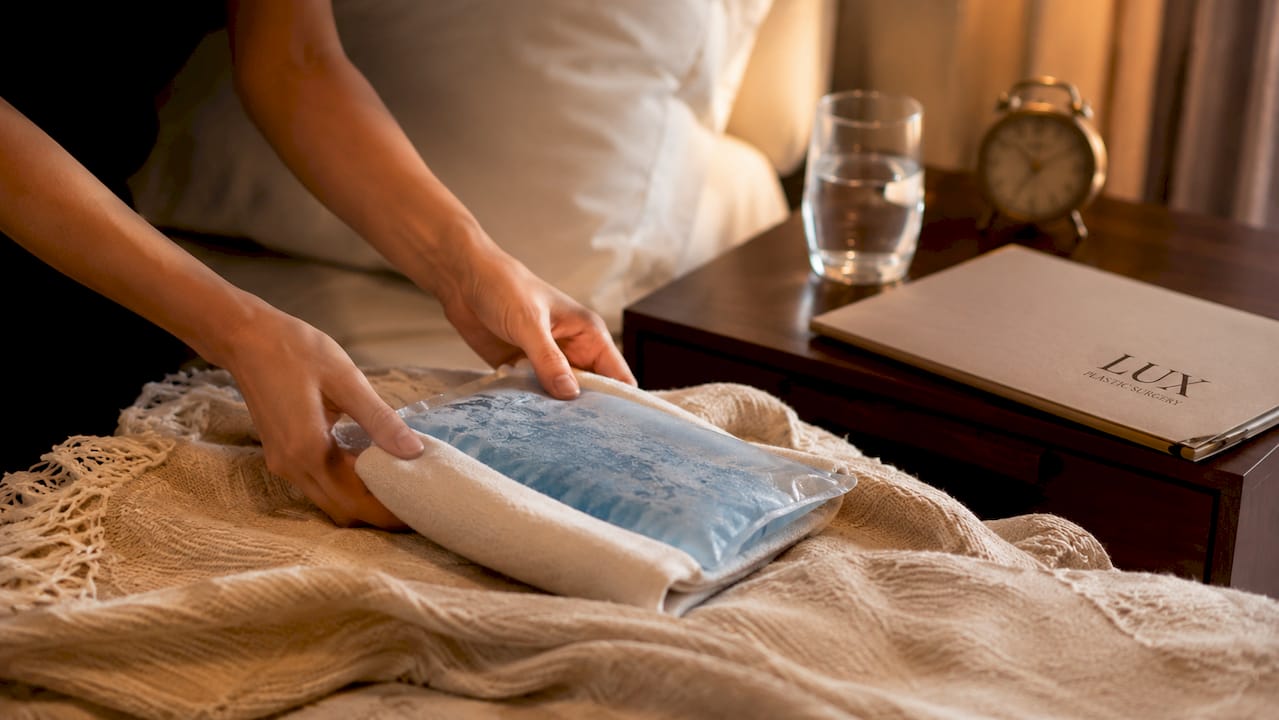
Head elevation and rest
Maintaining an elevated head position for at least 48 hours after surgery is the single most effective step for reducing swelling and fluid build-up. Use two or three firm pillows, or a wedge cushion, to keep your head above the level of your heart at all times, including during sleep. Lying flat allows fluid to pool around the surgical site, which prolongs bruising and discomfort.
Activity restrictions
Strenuous activities, bending, and stooping must be avoided during the first 48 hours because they raise blood pressure and increase the risk of post-operative bleeding. This means no shopping trips, no dog walking, and no carrying heavy bags. Even leaning forward to pick something up from the floor counts as stooping and should be avoided.
Pain relief and medication safety
Paracetamol is the recommended analgesic for managing discomfort after facial surgery. Aspirin must be avoided entirely because it thins the blood and significantly raises the risk of bleeding at the wound site. Ibuprofen may be used if prescribed, but always check with your surgical team before taking any medication not listed on your discharge notes.
Supervision after anaesthetic
Adult supervision is required for the full 24 hours following a general or sedation anaesthetic. Sedation impairs judgement and coordination for longer than most patients expect. You must not drive, operate machinery, sign legal documents, or make significant financial decisions during this period.
“The 24 hours after anaesthetic are not just about physical rest. Your decision-making capacity is genuinely reduced, and having a trusted adult present is a clinical requirement, not a precaution.”
Pro Tip: Prepare a written list of your medications, your surgeon’s contact number, and your discharge instructions before your operation date. Keep it on the bedside table so your supervising adult can act quickly if needed.
How to organise your home environment before surgery
A well-prepared home reduces unnecessary movement, supports head elevation, and removes the stress of searching for essentials when you are in discomfort. Setting up a recovery station before your operation date is one of the most practical steps you can take.
- Prepare your recovery station. Gather medicines, a charger, hydration, and snacks on a bedside table or tray within arm’s reach. You should not need to stand up or bend down to access anything during the first 24 hours.
- Set up your sleeping area. Place two or three firm pillows or a wedge cushion on your bed before you leave for surgery. Arriving home to a ready-made elevated sleeping position removes one task when you are tired and sore.
- Arrange adult help. Confirm that a responsible adult will stay with you for the first 24 hours. This person must be able to manage children, pets, and household tasks on your behalf, as post-anaesthetic supervision includes not being responsible for dependants.
- Stock your kitchen in advance. Prepare soft, low-sodium foods and plenty of water before your surgery date. Avoid alcohol and hot drinks during early recovery, as both can increase swelling and interfere with healing.
- Set your home temperature. Keep rooms cool and well-ventilated. Excessive heat increases blood flow to the face, which worsens swelling and discomfort in the days immediately after surgery.
Pro Tip: Freeze small packs of peas or use gel cold compresses before your operation date. Always wrap them in a clean cloth before applying to your face. Applying ice directly to surgical skin can cause frostbite, even when the skin feels numb.
The table below summarises the key items to prepare before your surgery date.
| Category | What to prepare |
|---|---|
| Medication | Paracetamol, prescribed ointments, discharge notes |
| Comfort | Wedge cushion or firm pillows, loose clothing |
| Nutrition | Water, soft foods, low-sodium snacks |
| Communication | Surgeon’s contact number, written aftercare instructions |
| Support | Confirmed adult helper for first 24 hours |
What is the facial surgery recovery timeline?
The healing process after facial surgery follows a broadly predictable course, though individual timelines vary depending on the procedure, your age, and your general health. Understanding the key milestones helps you set realistic expectations and recognise when progress is on track.
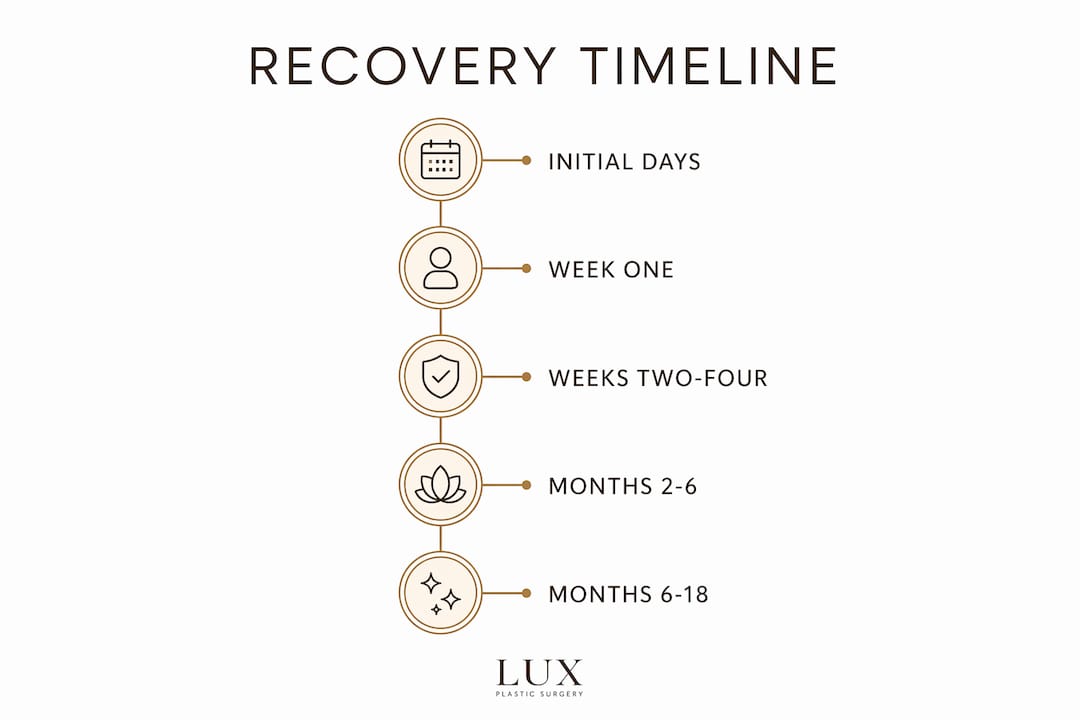
Weeks one and two
Swelling and bruising typically peak within 48–72 hours of surgery and then begin to reduce gradually. Most patients see a significant improvement in visible bruising by the end of the second week. You may feel tightness, numbness, or mild itching around incision sites during this period. These sensations are a normal part of the inflammatory healing response and do not indicate a problem.
- Most patients can return to light desk-based work within 10–14 days, depending on the procedure and their comfort level.
- Avoid social situations where you feel pressure to look well. Residual swelling is normal and does not reflect your final result.
- Follow-up appointments with your surgical team are scheduled during this period to check wound healing and remove sutures if required.
Weeks three to six
Swelling continues to reduce, and most visible bruising resolves by the end of week three. You can begin to reintroduce light activity, starting with short, flat walks and progressing gradually. Physical activity should follow a gradual activity ladder, with gym-based exercise and strenuous work avoided until at least six weeks post-surgery. Returning to exercise too early raises blood pressure and risks disrupting healing tissue.
- Incision lines will appear pink and slightly raised during this phase. This is normal scar formation, not a complication.
- Avoid submerging your face in water, including swimming pools and baths, until your surgeon confirms the wounds are fully closed.
Months two to eighteen: scar maturation
Scar appearance continues to improve for up to 18 months after facial surgery. This is the scar maturation phase, during which collagen remodels and the scar gradually softens, flattens, and fades. Massaging a simple, unperfumed moisturiser into the scar twice daily for two to three months helps soften the tissue and improve the final appearance. Your surgeon will advise when it is safe to begin massage, typically once the wound is fully healed and sutures have been removed.
Seek prompt medical advice if you notice any of the following:
- Increasing redness, warmth, or swelling around the wound after the first week
- Discharge that is yellow, green, or has an unpleasant odour
- A temperature above 38°C
- Persistent or worsening pain that does not respond to paracetamol
Best practices for wound care after facial surgery
Correct wound hygiene is one of the most reliable ways to prevent infection and reduce the risk of thick or raised scarring. The principles are straightforward, but patients frequently make avoidable errors during the first two weeks.
Keeping wounds clean and protected
Protect incision lines when showering by directing water away from the wound and patting the area dry with a clean, soft cloth. Do not soak the face or scrub around sutures. Apply any prescribed antibiotic ointment exactly as directed by your surgical team, using a clean cotton bud to avoid introducing bacteria from your fingers.
- Do not touch, pick at, or attempt to remove scabs or sutures yourself. Premature removal disrupts the healing process and increases the risk of infection and visible scarring.
- Avoid applying make-up, skincare products, or perfumed creams to incision sites until your surgeon confirms the wounds are fully closed.
- Keep hair products, including dry shampoo and hairspray, away from facial incisions during the first two weeks.
Managing bleeding at home
If bleeding occurs, apply constant gentle pressure for 15–20 minutes using a clean cloth or gauze. Do not lift the cloth to check the wound during this period, as doing so disrupts clot formation. If bleeding continues beyond 20 minutes, or if it is heavy and does not slow, contact your surgical team or attend your nearest emergency department.
“A small amount of oozing in the first 24 hours is expected. Persistent or heavy bleeding is not normal and requires urgent attention. Never wait until the next morning to seek advice if you are concerned.”
Pro Tip: Keep your surgical team’s out-of-hours contact number saved in your phone before your operation date. Knowing you can reach someone at 2AM removes a significant source of anxiety during the first night at home.
Safe use of pain relief
Paracetamol and ibuprofen are the recommended options for managing post-operative discomfort. Aspirin and aspirin-containing products must be avoided for at least two weeks after surgery because they inhibit platelet function and increase bleeding risk. Always read the ingredients list on over-the-counter cold and flu remedies, as many contain aspirin or anticoagulant compounds.
Lifestyle adjustments that support faster healing
The choices you make at home during recovery have a measurable effect on how quickly swelling resolves and how well your scars mature. Several adjustments are straightforward but frequently overlooked.
- Reduce salt intake. Excess salt increases water retention and facial puffiness after surgery. Avoid processed foods, crisps, and ready meals for at least two weeks. Cook from fresh ingredients where possible and season lightly.
- Protect incisions from UV exposure. Once your surgeon confirms wounds are healed, apply SPF 50 sunscreen to incision lines whenever you go outdoors. UV radiation darkens immature scar tissue and can make scars permanently more visible. Wear a wide-brimmed hat for additional protection during the first six months.
- Avoid smoking and alcohol. Both smoking and alcohol impair tissue repair. Smoking reduces oxygen delivery to healing tissue, and alcohol causes vasodilation, which worsens swelling. Your surgical team will advise on the minimum abstinence period, which is typically several weeks before and after surgery.
- Follow the activity ladder. Begin with short, flat walks in the first two weeks. Progress to longer walks in weeks three and four. Return to light gym activity only after six weeks and with your surgeon’s explicit approval. Rushing this progression risks wound dehiscence and prolonged swelling.
- Maintain a cool home environment. Heat increases blood flow to the face and worsens swelling. Keep your recovery room at a comfortable, moderate temperature and avoid hot baths, saunas, and steam rooms for at least six weeks.
Pro Tip: Protein supports tissue repair. Include eggs, fish, chicken, or legumes in your meals during recovery. You do not need supplements if your diet is balanced, but adequate protein intake genuinely accelerates wound healing.
For a broader overview of what the personalised facial surgery process involves from consultation through to aftercare, the Lux Plastic Surgery patient guide covers each stage in detail.
Key takeaways
Successful facial surgery recovery depends on preparing your environment before surgery, following clinical aftercare guidelines precisely, and allowing adequate time for scar maturation.
| Point | Details |
|---|---|
| Head elevation is non-negotiable | Keep your head elevated for at least 48 hours to control swelling and reduce bleeding risk. |
| Prepare your recovery station in advance | Have medication, hydration, and contact numbers ready before you leave for surgery. |
| Scar maturation takes up to 18 months | Twice-daily moisturiser massage from week three onwards supports a better long-term result. |
| Aspirin must be avoided | Use paracetamol for pain relief; aspirin increases bleeding risk and must be avoided for at least two weeks. |
| Follow the activity ladder | Return to exercise gradually over six weeks; rushing physical activity risks wound complications. |
What I have learned from watching patients recover
The patients who recover most smoothly are rarely the ones who follow the most complex aftercare regimes. They are the ones who prepare thoroughly before surgery and resist the urge to rush the process afterwards.
The most common mistake I see is underestimating the first 48 hours. Patients feel reasonably well after minor facial procedures and assume they can manage a school run or a short supermarket trip. They cannot. The risk of bleeding is highest in this window, and any activity that raises blood pressure, even briefly, can undo careful surgical work.
The second mistake is expecting a linear recovery. Swelling does not reduce steadily day by day. Many patients feel they look worse on day three than they did on day one, and this is entirely normal. The inflammatory response peaks before it resolves. Knowing this in advance prevents unnecessary alarm and the temptation to contact the clinic with concerns that are simply part of the expected process.
Scar maturation is the area where patience pays the greatest dividend. A scar at three months looks nothing like the same scar at twelve months. Patients who commit to twice-daily massage and consistent sun protection during this period consistently achieve better outcomes than those who stop once the wound appears healed. The work is not done when the sutures come out.
My strongest advice is to treat your recovery as part of the procedure itself, not as an inconvenience that follows it. The surgical result and the recovery result are inseparable. Invest the same care in both.
— Lux
Aftercare support at Lux Plastic Surgery
Lux Plastic Surgery provides consultant-led aftercare for every facial procedure, with Professor Sandip Hindocha overseeing each patient’s recovery plan personally.

Whether you are considering a facelift, rhinoplasty, or another facial procedure, understanding the full picture before you commit is the right approach. The Lux Plastic Surgery plastic surgery options and safety page covers procedures, risks, and what to expect in plain language. For patients who want to understand the step-by-step facial procedure process from pre-operative assessment through to discharge, that guide is available on the website. To discuss your individual recovery plan with Professor Hindocha’s team, book a consultation through the Lux Plastic Surgery website. This article is for general information only and does not constitute medical advice. Always consult a GMC-registered specialist before proceeding with any surgical procedure.
FAQ
How long does swelling last after facial surgery?
Swelling typically peaks at 48–72 hours after surgery and reduces significantly within two to three weeks. Residual swelling in deeper tissues can persist for several months.
When can I return to work after facial surgery?
Most patients return to light desk-based work within 10–14 days, depending on the procedure and their comfort level. Physical or public-facing roles may require a longer absence.
Can I apply make-up to cover bruising after surgery?
Make-up must not be applied to incision sites until your surgeon confirms the wounds are fully closed. Applying products to open or healing wounds increases infection risk.
How do I reduce scarring after facial surgery?
Massaging a simple, unperfumed moisturiser into healed scars twice daily for two to three months softens scar tissue. Applying SPF 50 to incision lines whenever outdoors prevents UV-related darkening during the 18-month maturation period.
What are the signs of infection after facial surgery?
Signs of infection include increasing redness, warmth, swelling, yellow or green discharge, an unpleasant odour from the wound, or a temperature above 38°C. Contact your surgical team promptly if any of these develop.