A chemical peel can cost less than a takeaway or more than a cosmetic operation, and both are described by the same two words. The difference is depth: a light peel usually means a few days of pinkness and flaking, while a deep one is a medical procedure with a long recovery.
That is why peel prices vary so widely, and why a price alone tells you very little. What matters is what is being applied, to which area, by whom, and how many sessions you will actually need.
Here’s what chemical peels typically cost in the UK, what drives the price, and how to compare quotes safely.
The price picture
| Point | Details |
|---|---|
| Depth sets the price | Superficial peels cost the least, medium peels cost more, and deep peels cost the most. |
| Typical superficial peel | Roughly £60 to £150 per session, higher at premium clinics. |
| Typical medium peel | Roughly £250 to £500, and some London practices charge far more for a full face. |
| Courses are common | Several light peels are often needed, so the total is higher than one session. |
| Practitioner matters | Training for non-surgical treatments is not legally required, so check credentials. |
What a chemical peel does
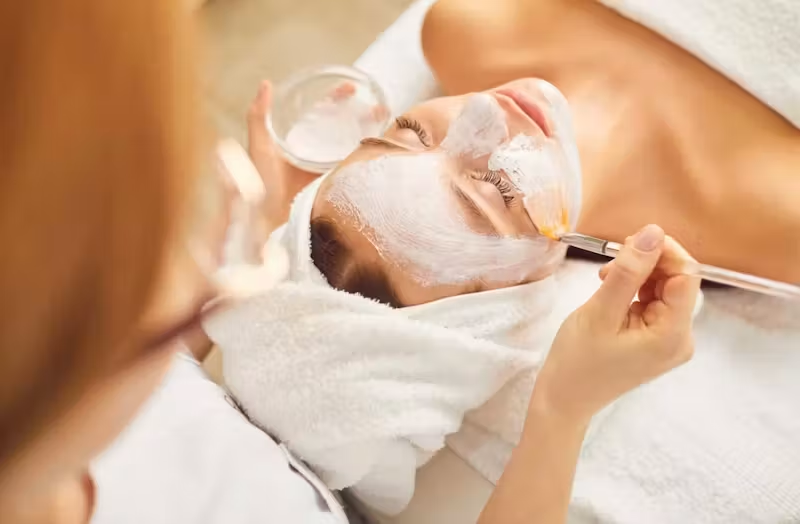
A peel applies an acid to the skin to remove damaged outer layers and speed up cell turnover, improving texture and pigmentation. Our guide to skin rejuvenation explains where peels sit alongside lasers, microneedling and radiofrequency.
Common acids include glycolic, salicylic and trichloroacetic (TCA). Peels are used for pigmentation, uneven texture, fine lines and some acne scarring.
Superficial, medium and deep
Superficial peels work on the top layer and cause little downtime. Medium peels reach deeper, so the skin peels and looks red for longer. Deep peels act deeper still and are generally carried out in a medical setting, with a much longer recovery.
A deeper peel is not automatically better. The right depth depends on your concern, your skin tone and how much downtime you can accept.
What each type costs
| Type | Typical UK price per session |
|---|---|
| Superficial (for example glycolic or salicylic) | About £60 to £150, sometimes up to £300 |
| Medium (for example TCA) | About £250 to £500, with some full-face quotes much higher |
| Deep | Often well over £500, quoted individually |
These are indicative figures drawn from clinic price lists, not a Lux quote. Many are “from” prices, so the price for your face and your concern may sit above them.
What changes the price?
Peel strength and depth are the main factor, followed by the area treated, since a small area costs less than a full face. The practitioner’s qualifications, the clinic’s location and whether a consultation, patch test and aftercare products are included all add to the figure.
Combination treatments, such as a peel with other skin treatments, are usually quoted as a package. Ask for an itemised breakdown so you can compare like with like.
Do you need a course?
Often, for light peels. Mild concerns such as dullness or minor pigmentation commonly call for a series of superficial peels spaced weeks apart, while deeper scars and lines may be treated with one or two medium peels.
That changes the maths. Four to six light peels can cost more than a single medium peel, so compare the total plan, not the per-session price.
Downtime and aftercare
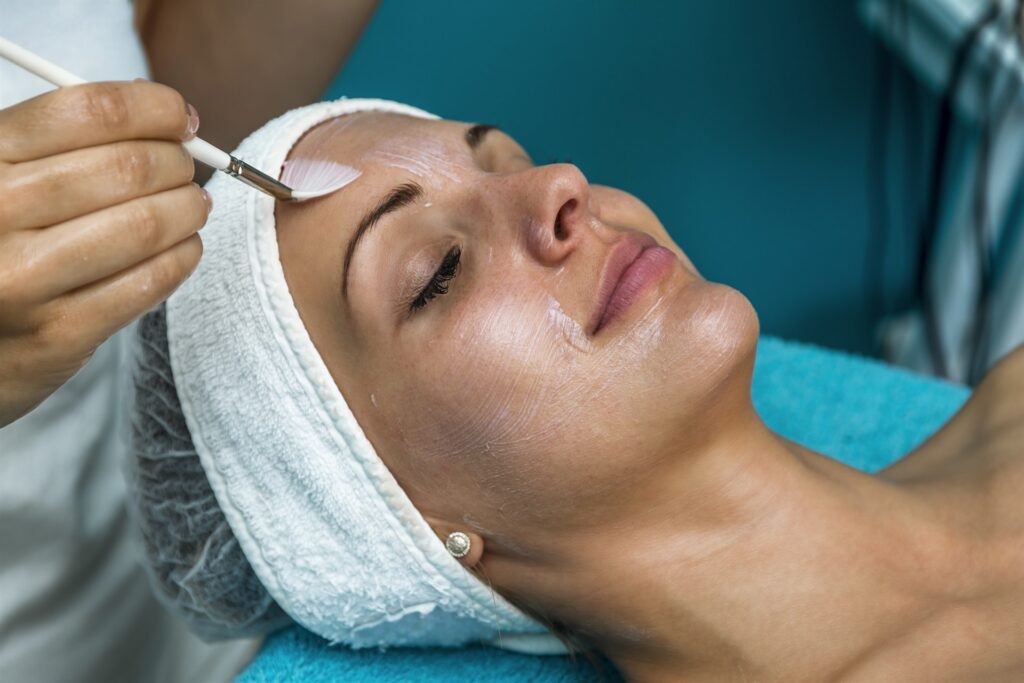
After a light peel the skin may be pink and slightly flaky for a few days. A medium peel brings more noticeable peeling and redness. In all cases, sun protection afterwards is essential, because newly treated skin burns and pigments easily.
Some peels need a patch test beforehand, and you may be asked to stop certain products first. A step-by-step guide to facial procedures covers how to prepare.
Risks to know about
Peels can cause irritation, prolonged redness, changes in skin colour and, in rare cases, scarring. Deeper peels carry more risk, and darker skin tones are more prone to pigmentation changes, so the choice of peel and practitioner matters.
Tell the practitioner about any medicines, previous cold sores, recent sun exposure and your skin history. A good clinic will say no, or suggest a gentler option, if a peel is not right for you.
Choosing who does it
NHS advice on choosing who will do your procedure is a good checklist for any cosmetic treatment. It also helps to know that a House of Commons Library briefing notes there is no specific training requirement for non-surgical treatments, so ask about qualifications and insurance.
Our piece on why surgical expertise matters explains the value of a clinician who can manage complications.
Getting skin advice at Lux

Lux Plastic Surgery assesses your skin first and talks through which treatments suit your concern. The fee is quoted individually in writing after consultation. Consultations take place at clinics in Bedford, London and Manchester.
You can read about the laser skin resurfacing service or contact Lux to arrange a consultation. Which treatments are suitable for you is decided after assessment.
This article is for general information only and does not constitute medical advice. Prices are indicative and vary by practitioner, peel strength and area, so always request a written quote.
FAQ
How much does a chemical peel cost in the UK?
Roughly £60 to £150 for a superficial peel and about £250 to £500 for a medium peel, with deep peels often much higher. Prices vary by clinic.
How many peels will I need?
Light peels are often done as a course of several sessions. Deeper concerns may need only one or two medium peels.
Is a chemical peel painful?
Most people feel tingling or stinging, which is stronger with deeper peels. Your practitioner will explain what to expect.
How long does recovery take?
A light peel may mean a few days of pinkness and flaking. Medium peels take longer, and deep peels need a much longer recovery.
Are chemical peels available on the NHS?
Cosmetic peels are a private treatment, paid for by the patient. Your GP can advise if you have a skin condition that needs medical treatment.