Rhinoplasty in the UK typically starts from around £4,000 to £9,000 for a primary procedure, with revision surgery often running £7,500 or more. These are general market figures, not a quote. Your own price depends on a question that has to be settled first: what exactly are you trying to change, and does it involve function as well as appearance?
Key takeaways
Rhinoplasty pricing depends on whether the concern is cosmetic, functional, or both, the technique used, and whether it’s a first-time or revision procedure.
| Point | Details |
|---|---|
| Cosmetic vs functional changes the plan | Septorhinoplasty, correcting the septum alongside shape, typically costs more than a purely cosmetic procedure. |
| Technique affects price | Open rhinoplasty generally takes longer in theatre than closed and can carry a higher fee. |
| Revision costs more than primary | Scar tissue and the need for cartilage grafts make revision surgery consistently more expensive. |
| NHS funding is limited | Only available for cleft-related deformity, unresolved airway obstruction, or recent significant trauma. |
| Low quotes are worth questioning | A price well below the market range usually means something has been left out. |
What factors determine the cost of rhinoplasty?
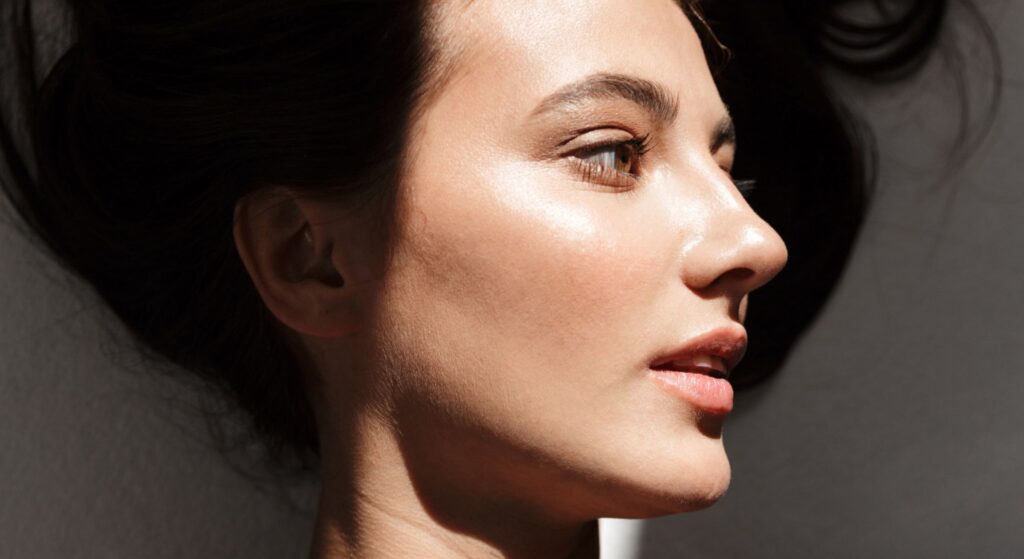
Several variables combine to set your final price, and most of them can only be judged properly once a surgeon has examined your nose in person.
Whether it’s cosmetic, functional, or both
A purely cosmetic rhinoplasty, reshaping the bridge or tip with no breathing concern, sits at the lower end of the range. Septorhinoplasty, which corrects the internal septum alongside the external shape, involves more surgical work and typically costs more. If breathing is part of your concern, that changes both the surgical plan and the price.
Open versus closed technique
A closed rhinoplasty is performed entirely through the nostrils, while an open rhinoplasty involves a small incision across the columella, the strip of skin between the nostrils, giving the surgeon direct visibility of the cartilage. Open techniques generally take longer in theatre and can carry a higher fee, though the right choice depends on what your nose needs rather than price alone.
Primary versus revision surgery
Revision rhinoplasty is consistently more expensive than a first-time procedure. Scar tissue from the earlier surgery makes the anatomy harder to work with, and cartilage grafts are often needed from the ear or rib once the septum has already been used. This additional complexity is reflected directly in the fee.
What happens during rhinoplasty surgery
According to BAPRAS patient guidance, rhinoplasty operations typically take 90 to 180 minutes under general anaesthetic, depending on the technique and the extent of reshaping involved. Most patients spend one or occasionally two nights in hospital afterwards.
A splint is taped over the nose for around seven days, with a pad worn underneath for the first 12 hours. Bruising and swelling settle over the following weeks, though the final shape continues to refine gradually. Around 60 percent of the change to the tip is visible after three weeks, with the remainder evolving over several months, and sometimes up to a year.
How to compare rhinoplasty quotes and avoid hidden fees
A quote that sits noticeably below the general market range is worth questioning rather than celebrating. It usually means something has been left out: the anaesthetist’s fee, hospital stay, the splint and dressings, or follow-up appointments, or that the provider isn’t a regulated surgical facility.
Always ask for a fully itemised quote before comparing prices between clinics. A properly comparable quote should state the surgeon’s fee, anaesthetic and facility fees, the length of hospital stay included, and what follow-up care is covered in the months after surgery.
Is rhinoplasty available on the NHS?
Rarely, and only where there’s a clear functional or medical justification. Per NHS commissioning policy, surgical referral is typically supported only for nasal deformity linked to cleft lip or palate, chronic airway obstruction from vestibular collapse that hasn’t responded to conservative treatment, or significant nasal distortion following trauma within the previous two years.
Rhinoplasty carried out purely for appearance, with no functional or trauma-related justification, isn’t funded and must be sought privately. If breathing is measurably affecting your daily life, it’s worth speaking to your GP about a septoplasty referral before assuming private surgery is your only option, since the two procedures can sometimes be combined.
What should you budget beyond the surgeon’s fee?
The headline price rarely covers everything. A few costs are easy to overlook when you’re comparing figures on a screen.
- The anaesthetist’s fee and hospital stay, typically one or two nights
- Pre-operative assessment and any required scans or blood tests
- Follow-up appointments as swelling settles over the following months
- Two weeks off work as a general guide, longer for physically demanding jobs
- The possibility of a revision procedure, which is quoted individually and typically costs more than a primary case
Rhinoplasty versus non-surgical alternatives
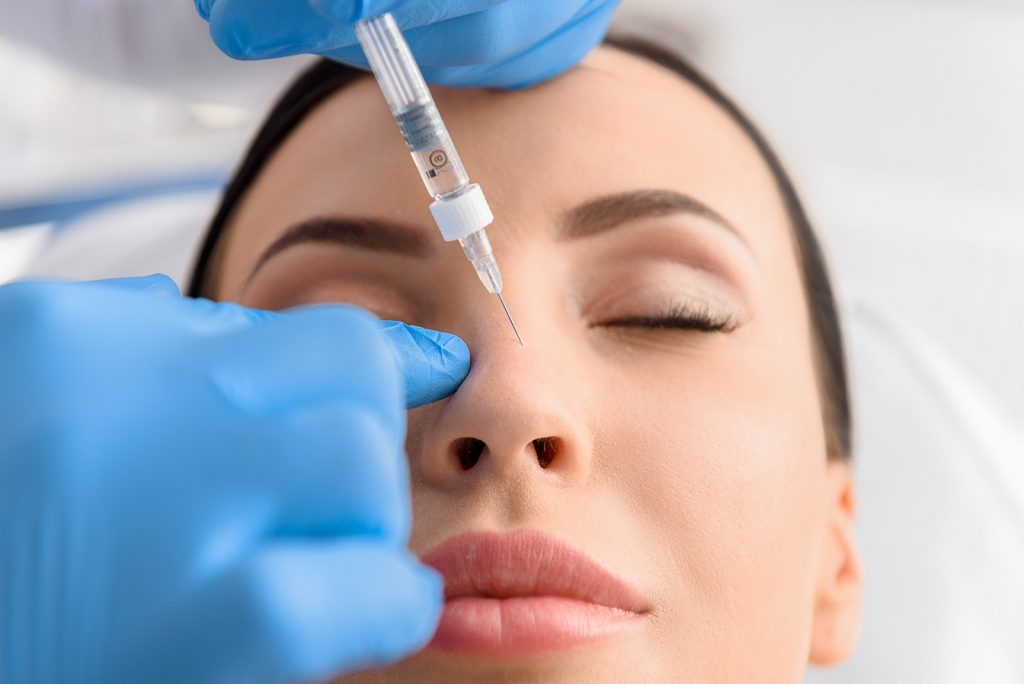
Non-surgical rhinoplasty, using dermal filler to smooth a bump or improve symmetry, costs considerably less, generally a few hundred pounds per session rather than several thousand. It’s a reasonable option for small, specific concerns, but it can’t reduce the size of a nose, narrow it, or fix a functional breathing problem.
Filler results also aren’t permanent, typically settling over 12 to 18 months, which means the cost repeats over time in a way that surgical rhinoplasty doesn’t. For anyone wanting a structural change, or addressing breathing alongside appearance, surgery remains the only route that delivers a lasting result in a single procedure.
What I have learned about rhinoplasty pricing in practice
Patients often arrive at consultation having seen a price online that turns out to be the starting figure for a simple cosmetic case, not what their specific anatomy needs. That’s not dishonesty on the internet’s part. It reflects how surgical pricing is usually presented, with the simplest version of the procedure shown as the headline figure.
At Lux Plastic Surgery, Professor Hindocha’s approach is to examine the nose properly, inside and out, before discussing cost at all, because a functional issue that goes unaddressed tends to resurface as a patient’s dissatisfaction later, however well the cosmetic result turns out. Every patient receives a clear, itemised quote once the right procedure has actually been established.
The other thing worth saying plainly: a price significantly below the market range is not a bargain, it’s a signal to ask more questions. Surgical skill, a properly staffed theatre, and real aftercare all cost money, and the nose is not a forgiving structure to get wrong twice.
Plan Your Rhinoplasty with Lux Plastic Surgery
Lux Plastic Surgery offers consultant-led facial surgery, including rhinoplasty, in Bedford, London, and Manchester, performed by Professor Sandip Hindocha, FRCS (Plast), GMC-registered Consultant Plastic Surgeon and NHS Clinical Director. Every consultation starts with an honest assessment of what your nose needs, cosmetically and functionally, before cost is discussed.
The rhinoplasty guide covers the procedure in more detail, and the Manchester rhinoplasty guide explains what to look for in a specialist surgeon. To arrange a consultation, contact the team through the website.
This article is for general information only and does not constitute medical advice. Prices vary by clinic, location, and individual anatomy, so treat all figures here as general market context rather than a quote.
FAQ
How much does rhinoplasty cost in the UK?
A primary rhinoplasty typically starts from around £4,000 to £9,000. Revision surgery generally costs £7,500 or more because of the added complexity. Your own price depends on what your anatomy needs and can only be confirmed at consultation.
Why can’t clinics just give me a fixed price online?
Because the right technique, and therefore the right price, depends on whether your concern is cosmetic, functional, or both, and whether it’s a primary or revision case. That can only be assessed by examination, not from a photo or a description.
Is rhinoplasty painful?
Most patients describe pressure, congestion, and swelling rather than significant pain. A splint is worn for about a week, and most people take around two weeks off work before returning to normal activities.
How long do rhinoplasty results take to settle?
Around 60 percent of the change to the tip is visible after three weeks. The remaining refinement happens gradually over several months, and the final result can continue to settle for up to a year.
What’s the difference between surgical and non-surgical rhinoplasty?
Non-surgical rhinoplasty uses dermal filler to smooth or balance the nose temporarily, typically lasting 12 to 18 months. Surgical rhinoplasty permanently reshapes the underlying bone and cartilage and can also correct breathing problems, which filler cannot do.