Facial reshaping is one of the most misunderstood areas in cosmetic medicine. Many people assume it always means surgery, anaesthesia, and weeks of recovery. In reality, a growing number of UK clinics now offer sophisticated non-surgical approaches that can refine facial contours, restore volume, and improve skin quality with minimal downtime. Whether you are considering your first aesthetic treatment or exploring alternatives to surgery, understanding what facial reshaping actually involves, and what results are genuinely achievable, is the essential first step toward making a confident, well-informed decision.
Key Takeaways
| Point | Details |
|---|---|
| Non-surgical reshaping | Modern techniques offer subtle, temporary enhancements ideal for many UK patients. |
| Trust expert guidance | Choosing GMC-registered, reputable practitioners ensures safety and best outcomes. |
| Realistic expectations | Satisfaction comes from understanding limits and the nature of multimodal treatment results. |
| Consultation is vital | Customised planning during consultations leads to confident decisions and tailored results. |
Defining facial reshaping: approaches and outcomes
Facial reshaping refers to any treatment designed to alter the contours, proportions, or surface quality of the face to create greater balance and harmony. It is not a single procedure. It is a broad category that spans everything from surgical facelifts to injectable fillers and energy-based skin treatments.
The methods generally fall into two camps:
- Surgical options: Facelift (rhytidectomy), brow lift, blepharoplasty (eyelid surgery), chin implants, and rhinoplasty. These offer permanent or long-lasting structural change.
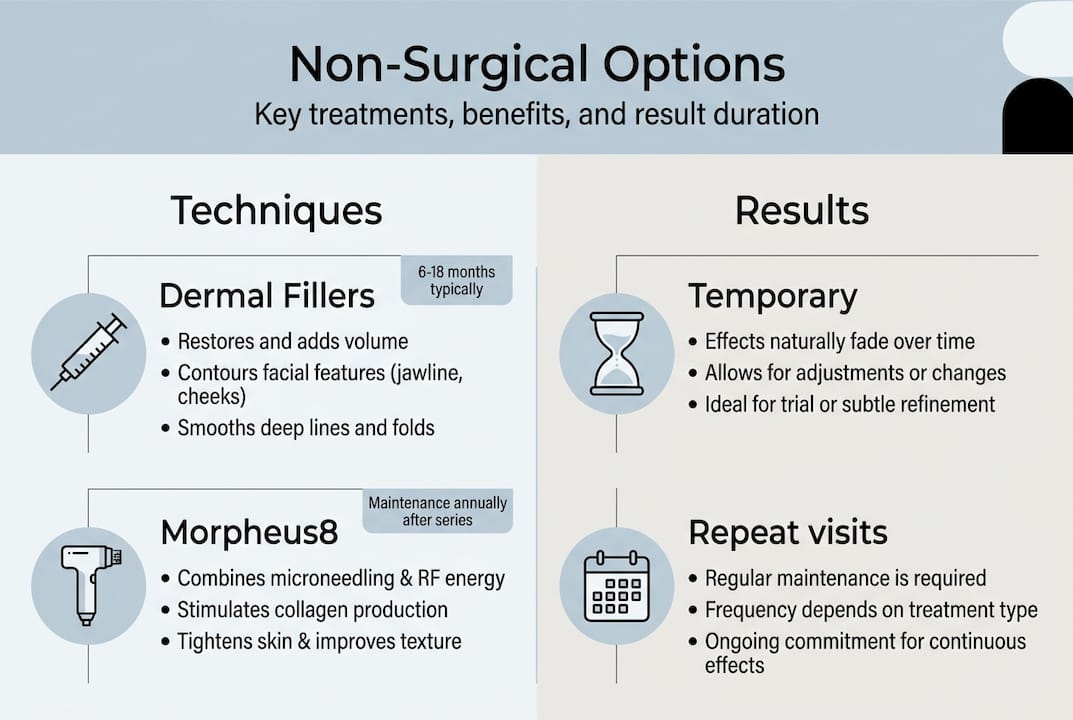
- Non-surgical options: Dermal fillers, botulinum toxin, radiofrequency treatments (such as Morpheus8), high-intensity focused ultrasound (HIFU), and skin-tightening devices. These are temporary but require little to no recovery time.
- Combination approaches: Many practitioners use both categories together for staged, layered results.
Outcomes vary considerably depending on the method chosen. Non-surgical treatments excel at producing subtle, natural-looking enhancement. They soften lines, restore lost volume, and improve skin texture. What they cannot do is replicate the structural lift that facelift surgery details provide. Research confirms that multimodal approaches yield natural results but remain temporary and are not equivalent to surgical intervention.
“The goal of facial reshaping is not transformation. It is restoration of the version of yourself that feels most like you.”
Realistic expectations are not just advisable; they are clinically essential. Patients who understand the limitations of non-surgical treatments from the outset report significantly higher satisfaction. Exploring facial rejuvenation options with a qualified practitioner helps set those expectations properly before any treatment begins.
Non-surgical facial reshaping: techniques and effectiveness
Non-surgical facial reshaping has advanced considerably over the past decade. The techniques now available in the UK are sophisticated, evidence-based, and capable of producing genuinely impressive results, provided the right method is matched to the right patient.
Here is how the main options compare:
| Treatment | Mechanism | Ideal for | Duration of results |
|---|---|---|---|
| Dermal fillers | Adds volume, defines contours | Volume loss, jawline, cheeks | 9 to 18 months |
| Botulinum toxin | Relaxes muscles | Lines, brow lifting | 3 to 4 months |
| Morpheus8 (radiofrequency) | Stimulates collagen via heat | Crepey skin, mild laxity | 12 to 18 months |
| HIFU (ultrasound) | Targets deep tissue layers | Skin tightening, jowls | 12 to 24 months |
Choosing between these options depends on your age, skin condition, and goals. Evidence suggests that non-surgical treatments suit patients seeking subtle enhancements or maintenance, and that Morpheus8 is particularly effective for crepey skin in patients aged over 40.
The most effective non-surgical plans tend to follow a logical sequence:
- Assess the face holistically, not just the area of concern.
- Prioritise skin quality before adding volume.
- Address structural concerns with fillers or energy-based treatments.
- Maintain results with scheduled follow-up sessions.
- Reassess annually to adjust the plan as the face naturally changes.
Pro Tip: Avoid clinics that recommend the same filler protocol for every patient. A bespoke plan based on your facial anatomy will always outperform a one-size-fits-all approach. You can learn more about tailored non-surgical contouring approaches that prioritise your individual structure.
The key advantage of non-surgical methods is accessibility. They suit people who want improvement without committing to surgery. The key disadvantage is longevity; results fade, and maintenance is ongoing. If you are considering dermal fillers treatment, understanding the realistic timeline for top-ups is part of making an informed choice. For a broader view of what is appropriate for your situation, reviewing safety and advice from a qualified source is always worthwhile.
Choosing the right practitioner and clinic in the UK
This is where many patients make costly mistakes. The UK aesthetic market is largely unregulated at the point of treatment delivery, meaning anyone can technically administer fillers without medical training. This makes practitioner selection one of the most important decisions you will make.
When evaluating a clinic or practitioner, look for the following:
- GMC registration: Your practitioner should be registered with the General Medical Council. This is non-negotiable for injectable treatments.
- Specialist credentials: Look for consultants with a background in plastic surgery, dermatology, or maxillofacial surgery.
- Clinic reputation: Established clinics with verifiable before-and-after results and genuine patient reviews carry far less risk.
- Bespoke planning: A reputable practitioner will never recommend treatment without a thorough face-to-face consultation first.
- Transparent pricing: Avoid clinics that push packages or upsell aggressively before assessing your needs.
The best aesthetic clinics prioritise GMC-registered practitioners and bespoke consultation-led planning as the foundation of safe, effective care.
Pro Tip: Before booking any treatment, search the GMC register online. It takes less than two minutes and confirms whether your practitioner is currently licensed to practise medicine in the UK.
A consultation is not just a formality. It is a clinical assessment. A good practitioner will examine your facial anatomy, discuss your concerns honestly, explain what is and is not achievable, and present a phased treatment plan. Learning how to select procedures safely before committing to any clinic is a smart first step. If you are considering surgical options alongside non-surgical ones, understanding how to choose a plastic surgeon with the right credentials is equally important. Booking expert surgeon consultations gives you a structured, professional starting point.
What to expect before, during, and after facial reshaping
Knowing what the patient journey looks like removes a great deal of anxiety. Here is a realistic overview of what to expect at each stage.
Before treatment
- Initial consultation: Your practitioner assesses your face, discusses goals, reviews your medical history, and recommends a treatment plan.
- Pre-treatment preparation: Depending on the procedure, you may be advised to avoid blood-thinning medications, alcohol, or certain supplements for several days beforehand.
- Photography: Most reputable clinics take standardised photographs before treatment to track progress objectively.
On the day
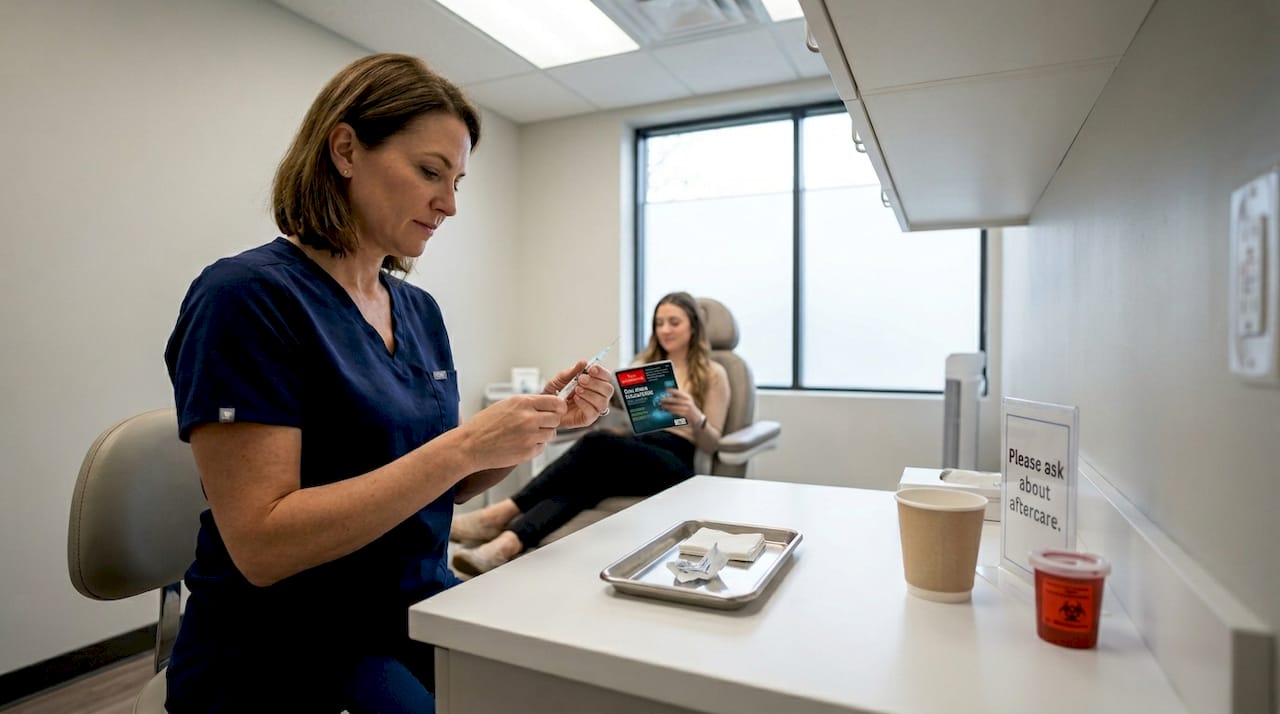
For most non-surgical treatments, the procedure itself is straightforward. Fillers typically take 20 to 45 minutes. Morpheus8 or HIFU sessions may take 60 to 90 minutes. Topical anaesthetic cream is usually applied beforehand to minimise discomfort.
| Stage | Typical duration | What happens |
|---|---|---|
| Preparation | 20 to 30 minutes | Cleansing, anaesthetic application |
| Treatment | 20 to 90 minutes | Injections or energy-based treatment |
| Immediate aftercare | 10 to 15 minutes | Cooling, assessment, aftercare advice |
After treatment
Recovery depends on the procedure. Fillers may cause mild swelling or bruising for 24 to 72 hours. Morpheus8 and HIFU can cause redness and mild sensitivity for several days. Full results from energy-based treatments often appear gradually over 8 to 12 weeks as collagen production increases.
“Multimodal treatments and realistic patient expectations are the foundation of long-term satisfaction in non-surgical facial reshaping.”
Maintaining results requires planning. Most patients return for top-up fillers every 12 to 18 months and energy-based treatments annually. Understanding the full consultation process from the outset helps you plan both financially and practically.
Why realistic expectations and expert advice are crucial
Here is something the marketing rarely tells you: the patients who are most satisfied with facial reshaping are almost never the ones who expected the biggest change. They are the ones who came in with clear, honest goals and worked with a practitioner who told them the truth, even when the truth was “this treatment is not right for you yet.”
The evidence consistently points toward staged, multimodal approaches producing the best long-term outcomes. A single dramatic intervention rarely delivers what a thoughtful, phased plan can achieve over 12 to 24 months. This is not a sales strategy. It is how faces actually respond to treatment.
Many patients arrive having been influenced by social media transformations that bear little resemblance to what non-surgical treatment genuinely achieves. The role of a skilled practitioner is to redirect that energy toward what is actually possible and beneficial for your specific anatomy. Reviewing options and expert advice before any consultation helps calibrate those expectations. And attending expert surgeon consultations with a medically qualified professional is not optional; it is the single most important step you can take.
Explore safe, expert-led facial reshaping in the UK
If this article has helped clarify what facial reshaping involves and what to look for in a practitioner, the natural next step is connecting with a clinic that genuinely prioritises your safety and individual goals.
At Lux Plastic Surgery, Professor Sandip Hindocha and his team offer both surgical and non-surgical facial treatments across Bedford, London, and Manchester. Every patient begins with a thorough consultation, and every treatment plan is bespoke. Whether you are exploring a surgical vs non-surgical comparison or ready to browse the full range of plastic surgery services, the team is here to guide you. You can also explore the full range of facial surgery options to find the approach that suits your goals.
FAQ
Are non-surgical facial reshaping treatments permanent?
Non-surgical options are temporary and not equivalent to a facelift, requiring regular maintenance or repeat sessions to sustain results over time.
Who is an ideal candidate for non-surgical facial reshaping?
Those seeking subtle enhancements or maintenance are best suited, and Morpheus8 is most effective for crepey skin in patients aged over 40.
How do I choose a safe, qualified practitioner in the UK?
Always select a GMC-registered practitioner at a reputable clinic and attend a pre-treatment consultation to confirm the plan is appropriate for your needs.
What should I expect during a consultation?
A thorough consultation involves a personalised facial assessment, an honest discussion of your goals and concerns, and a tailored treatment plan that outlines realistic outcomes and any associated risks.