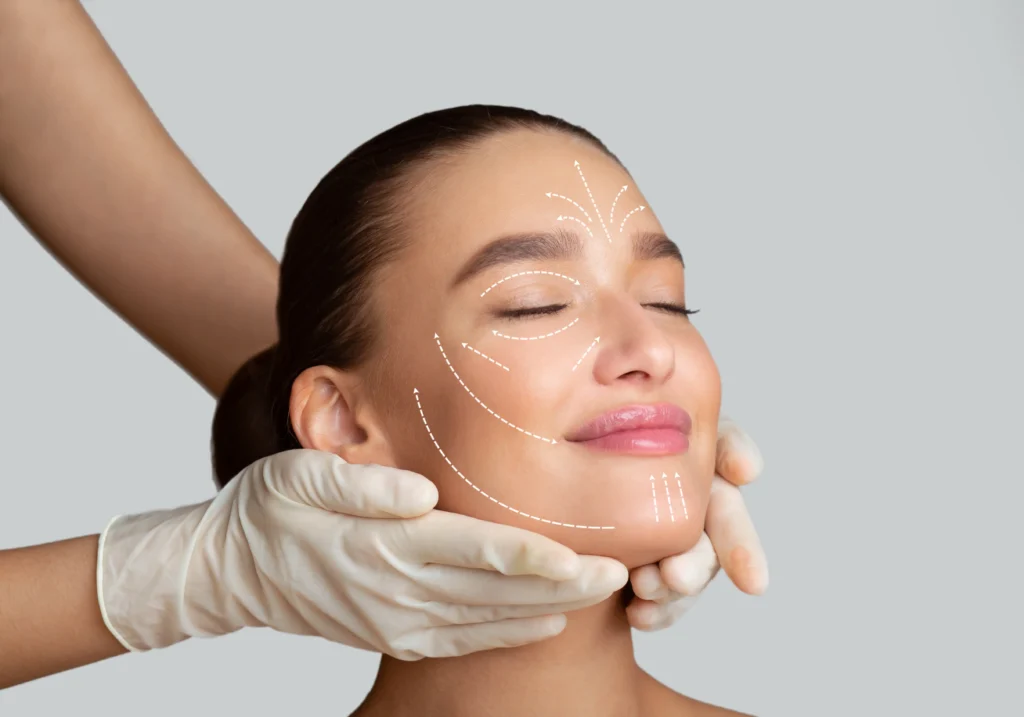
Medically reviewed by Professor Sandip Hindocha, GMC-registered Consultant Plastic Surgeon and NHS Clinical Director. Articles are reviewed against current UK guidance from the GMC, BAAPS, BAPRAS and NICE.
TL;DR:
- Surgical procedures offer long-lasting, significant results but involve higher costs and longer recovery.
- Non-surgical treatments are less invasive, with minimal downtime, but results are temporary and may require maintenance.
- Choosing the right option depends on your goals, health, timeline, risk tolerance, and long-term expectations.
Choosing between surgical and non-surgical cosmetic procedures is one of the most significant decisions you can make about your appearance and health. The options available in the UK have expanded enormously, from traditional facelifts and breast augmentation to Botox, fillers, and laser resurfacing. Each path carries its own set of benefits, risks, recovery demands, and costs. Yet many people approach this decision without a clear framework for weighing up what actually matters to them. This article walks you through the key criteria, a direct comparison of both approaches, and practical guidance to help you arrive at a confident, well-informed choice.
Key Takeaways
| Point | Details |
|---|---|
| Decision criteria matter | Comparing goals, risks, and recovery helps you choose the right procedure. |
| Understand procedure types | Surgical and non-surgical options each offer distinct pros and cons for UK adults. |
| See a side-by-side comparison | A clear table helps you weigh results, downtime, and costs easily. |
| Get expert guidance | A professional consultation makes your cosmetic decision safer and more informed. |
How to decide: Key criteria for surgical vs non-surgical procedures
Before you book any consultation or browse before-and-after galleries, it helps to understand what actually separates a good decision from a rushed one. There are five core criteria worth examining carefully.
- Your goals. Are you looking for a subtle refresh or a dramatic transformation? Non-surgical treatments tend to suit those wanting gradual improvement, while surgery is better suited to significant structural changes.
- Duration of results. How long do you want results to last? Surgical outcomes are typically long-lasting, sometimes permanent, whereas non-surgical results often fade within months to a couple of years.
- Recovery time. Can you take time off work and social commitments? Surgery requires weeks of downtime, while most non-surgical treatments allow you to return to daily life within hours or days.
- Risk tolerance. Every procedure carries some risk. Safety and effectiveness are top concerns for both procedure types, but surgical risks, including anaesthesia reactions and infection, are generally greater.
- Budget. Surgical procedures cost significantly more upfront, though non-surgical treatments may require repeated sessions that add up over time.
These priorities will differ from person to person. Someone in their 30s seeking minor skin improvements will have very different needs from someone in their 50s wanting to address significant skin laxity. Understanding how to evaluate surgery options safely before committing is essential.
Pro Tip: Write down your top three goals before any consultation. This keeps the conversation focused and helps your practitioner tailor recommendations to what you actually want, not what is most popular.
Informed consent is not just a formality. It is the foundation of any ethical cosmetic procedure. A reputable practitioner will walk you through every risk, alternative, and realistic outcome before you sign anything.
Overview of surgical procedures: What are your options?
Surgical cosmetic procedures involve operating under anaesthesia, with incisions, tissue manipulation, and a recovery period. They are performed in a clinical setting and require a qualified surgeon. Understanding the basics of plastic surgery helps set realistic expectations from the outset.
Common surgical options include:
- Facelift (rhytidectomy): Removes excess skin and tightens underlying tissues to reduce sagging and deep wrinkles.
- Breast augmentation or reduction: Changes breast size and shape using implants or tissue removal.
- Abdominoplasty (tummy tuck): Removes excess abdominal skin and tightens the core muscles.
- Rhinoplasty: Reshapes the nose for cosmetic or functional reasons.
- Blepharoplasty (eyelid surgery): Corrects drooping eyelids that can affect both appearance and vision.
The advantages of surgery are significant. Results are often permanent or very long-lasting, and the degree of change achievable is far greater than with non-surgical methods. Some procedures, such as breast reduction, also carry genuine health benefits including relief from back pain and improved posture. Exploring top surgical procedures can give you a clearer sense of what is most commonly sought and why.
However, the drawbacks are equally real. Surgical procedures carry higher risks but tend to offer more permanent results. These risks include scarring, infection, anaesthesia complications, and longer recovery periods that can stretch from two to six weeks depending on the procedure.
Surgery is best suited to individuals who have stable health, realistic expectations, and a specific structural concern that non-surgical options simply cannot address effectively.
Cost is another significant factor. Surgical procedures in the UK typically range from £3,000 to over £10,000 depending on complexity and the surgeon’s experience.
Advantages and limitations of non-surgical procedures
Non-surgical cosmetic treatments have grown rapidly in popularity across the UK. Fillers and anti-wrinkle injections have seen increasing demand due to minimal downtime and accessible price points. This category now covers a wide range of treatments targeting skin texture, volume loss, and early signs of ageing.
Popular non-surgical options include:
- Anti-wrinkle injections (Botox): Temporarily relaxes facial muscles to smooth dynamic wrinkles.
- Dermal fillers: Restore volume and definition to areas like the lips, cheeks, and jawline.
- Chemical peels: Exfoliate the skin to improve tone, texture, and pigmentation.
- Laser treatments: Address concerns such as redness, sun damage, and skin laxity.
- Skin boosters: Hydrate and plump the skin using hyaluronic acid injections.
The appeal of non-surgical treatments lies in their accessibility. Most require no general anaesthesia, carry a lower risk profile, and involve little to no recovery time. You can explore the full range of non-surgical services available to get a sense of what might suit your goals.
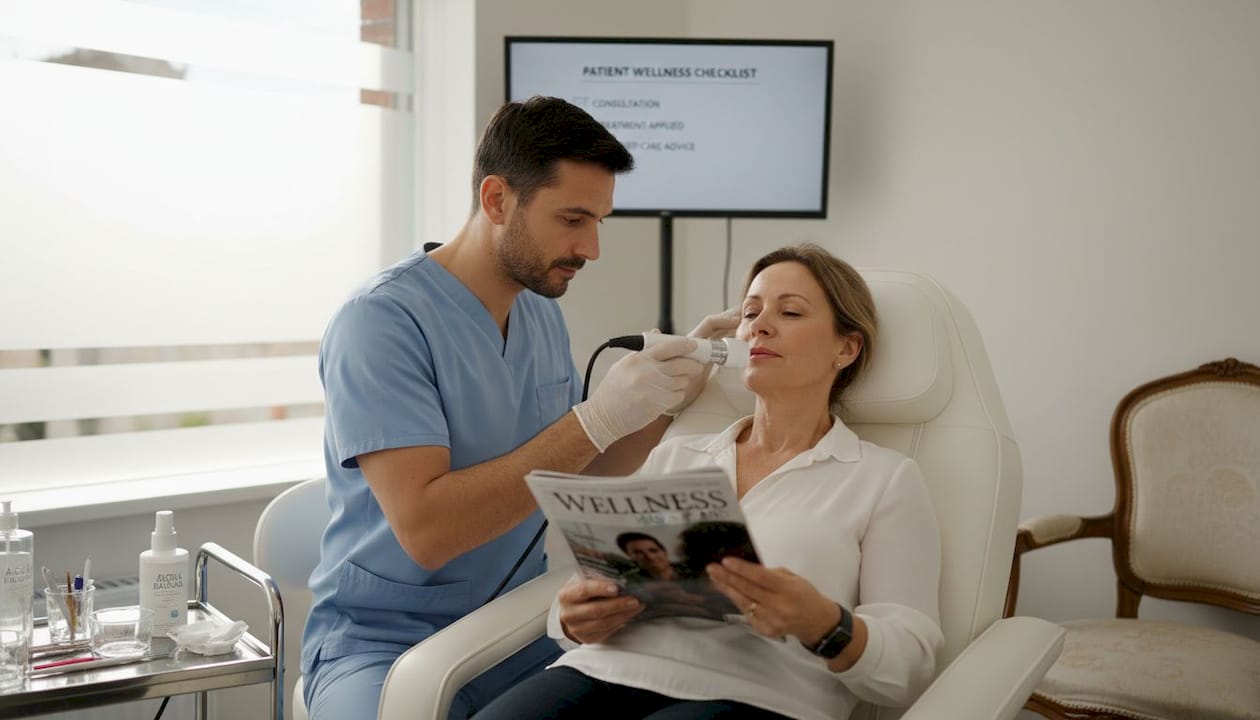
That said, limitations exist. Results are temporary, often lasting between six months and two years. Repeated treatments are necessary to maintain the effect, and costs accumulate over time. Side effects such as bruising, swelling, and in rare cases, vascular complications with fillers, are possible.
Pro Tip: Always verify that your non-surgical practitioner is medically qualified. In the UK, anyone can legally administer fillers without a medical licence, which makes choosing a regulated professional critically important. Browse non-surgical treatment options to understand what qualifications to look for.
Side-by-side comparison: Surgical vs non-surgical procedures
Seeing both approaches compared directly makes the distinctions far easier to process. Here is a clear breakdown across the most important criteria.
| Criteria | Surgical procedures | Non-surgical procedures |
|---|---|---|
| Cost | £3,000 to £10,000+ | £200 to £1,500 per session |
| Downtime | 2 to 6 weeks | Hours to 2 days |
| Results duration | Long-lasting to permanent | 6 months to 2 years |
| Risk level | Higher (anaesthesia, scarring) | Lower (bruising, swelling) |
| Degree of change | Significant, structural | Subtle to moderate |
| Reversibility | Generally not reversible | Some are reversible (e.g., fillers) |
One of the starkest differences is recovery. Recovery time for non-surgical options is often measured in hours, while surgical procedures require weeks of careful healing. This matters enormously if you have work, childcare, or other commitments that cannot be paused.
Cost comparisons are also more nuanced than they first appear. A single facelift may cost £8,000 but last a decade. Regular anti-wrinkle injections at £350 per session, three times a year, will cost over £10,000 in the same period. Understanding plastic surgery recovery tips and surgery recovery expectations is just as important as understanding the procedure itself.
The degree of achievable change is another key distinction. If you have significant skin laxity, deep structural concerns, or want a permanent result, surgery will almost always outperform non-surgical alternatives. For early-stage ageing or targeted skin concerns, non-surgical treatments often deliver excellent results with far less disruption.
Which option is right for you? Decision factors
With both options clearly laid out, the question becomes: which is right for you? The answer depends on a combination of personal, medical, and practical factors.
Here is a practical decision checklist:
- Define your outcome clearly. Vague goals lead to disappointment. Be specific about what you want to change and why.
- Assess your health. Surgical procedures require you to be in good general health. Certain conditions may rule out surgery or anaesthesia.
- Consider your timeline. If you have a major event in six weeks, surgery is not realistic. Non-surgical treatments may be the smarter short-term choice.
- Weigh up your risk tolerance. If the idea of general anaesthesia or visible scarring concerns you significantly, start with non-surgical options.
- Think long-term. A patient’s desired outcome and expectations should guide the choice. Consider whether you want a one-time investment or are comfortable with ongoing maintenance.
Scenarios where surgery tends to be the better choice include significant volume loss, major structural changes, and situations where non-surgical treatments have already been tried without satisfactory results. Non-surgical treatments shine for early intervention, maintenance, and patients who are not yet ready for surgery.
Pro Tip: Never make this decision based on social media alone. Filters, lighting, and selective posting distort realistic outcomes. A face-to-face consultation with a qualified surgeon, such as choosing a surgeon who holds proper credentials, is the only reliable way to set accurate expectations.
A fresh perspective: The hidden realities of choosing cosmetic procedures
The clinical comparison between surgical and non-surgical procedures is useful, but it does not tell the whole story. In our experience, the most common source of regret in cosmetic treatment is not the procedure itself. It is the decision-making process that preceded it.
People often underestimate how much external pressure shapes their choices. Social media, peer comparison, and the growing normalisation of cosmetic treatments can create a sense of urgency that simply does not serve your best interests. The phrase “minimally invasive” is reassuring, but it does not mean safe. Complications from fillers, for example, can be serious and in rare cases, irreversible.
On the surgical side, the permanence that makes results appealing also makes mistakes harder to correct. Rushing into surgery because a deal seems attractive or because a friend had good results is a pattern we see lead to regret. Read through our latest insights for real perspectives on navigating these decisions thoughtfully.
The most satisfied patients are those who took their time, consulted properly, and chose based on their own goals rather than trends.
Ready to explore your best option with a qualified specialist?
If this article has helped clarify your thinking, the next step is a conversation with a qualified professional who can assess your individual needs.
At Lux Plastic Surgery, Professor Sandip Hindocha and his team offer expert guidance across both surgical and non-surgical services. Whether you are just beginning to explore the basics of plastic surgery or are ready to evaluate your options safely, a personalised consultation ensures your decision is grounded in expertise, not guesswork. With clinics in Bedford, London, and Manchester, accessing aesthetic care has never been more straightforward. Book your consultation today.
FAQ
Are non-surgical procedures safer than surgical ones?
Non-surgical options carry fewer immediate risks, but all procedures carry risks and complications are possible. Always choose an experienced, medically qualified practitioner regardless of the treatment type.
How long do results typically last for non-surgical treatments?
Non-surgical treatments produce temporary effects that generally last between 6 months and 2 years, depending on the specific procedure and how your body responds over time.
Does cosmetic surgery always leave visible scarring?
Scarring is a typical risk of plastic surgery, though skilled surgeons place incisions strategically and scar management techniques can significantly reduce their visibility over time.
Can I switch from a non-surgical to a surgical procedure later?
Absolutely. Many patients begin with non-surgical treatments and progress to surgery as their goals evolve. No rule prevents moving from one approach to the other at any point.
Is a consultation necessary before booking any treatment?
Yes, without exception. Consultation is a necessary step before all cosmetic procedures and is the only way to properly assess risks, set realistic expectations, and confirm the right treatment for your needs.