Many people assume facial rejuvenation means walking out looking like a different person. That assumption puts thousands of UK adults off exploring treatments that could genuinely improve how they feel about themselves. Modern facial rejuvenation is far more nuanced than the dramatic before-and-after images suggest. Today’s evidence-based options range from subtle injectables to precision surgical techniques, all designed to restore rather than reinvent. Whether you are in your late thirties noticing early volume loss or in your sixties considering a more lasting solution, understanding your full range of options is the first step towards making a confident, informed decision.
Key Takeaways
| Point | Details |
|---|---|
| Personalised approach | Facial rejuvenation offers tailored solutions from subtle to meaningful, addressing unique needs. |
| Diverse treatment options | Both surgical and non-surgical techniques suit different ages, goals, and lifestyles. |
| Prioritise safety | Always choose GMC-registered specialists and insist on thorough consultations for safe, natural results. |
| Recovery impacts outcome | Proper aftercare and realistic expectations improve satisfaction and reduce complications. |
What is facial rejuvenation?
Facial rejuvenation is a broad term covering both non-surgical and surgical procedures that restore a more youthful appearance. As a comprehensive overview of facial ageing explains, the face changes in predictable ways over time: skin loses elasticity, fat pads shift downward, bone remodels, and muscle tone diminishes. The result is the familiar combination of sagging, hollowing, and wrinkling that most people associate with getting older.
According to published research, facial rejuvenation encompasses procedures aimed at restoring a more youthful appearance by addressing skin laxity, volume loss, wrinkles, and sagging. The goal is not to freeze time but to bring the face back into harmony with how a person feels on the inside.
The main signs of ageing that facial rejuvenation targets include:
- Loss of volume in the cheeks, temples, and under-eye area
- Deepening of nasolabial folds and marionette lines
- Skin laxity along the jawline and neck
- Fine lines and surface texture changes
- Drooping of the upper eyelids or puffiness beneath the eyes
Treatments broadly fall into two camps. Non-surgical options include injectables, bio-remodelling agents such as Profhilo for hydration, laser therapies, and chemical peels. Surgical options include facelifts, blepharoplasty (eyelid surgery), and neck lifts. Each approach suits different stages of ageing and different patient goals.
“The best facial rejuvenation results are those that make you look refreshed and well-rested, not operated on.”
UK adults are increasingly choosing these treatments, driven by greater access to information, improved safety standards, and a cultural shift towards proactive self-care. After outlining what facial rejuvenation means, let’s explore each treatment type in detail.
Non-surgical facial rejuvenation treatments
Non-surgical options are the most popular entry point for adults exploring facial rejuvenation in the UK. As BAPRAS confirms, non-surgical methodologies include dermal fillers for volume restoration, botulinum toxin injections to relax dynamic wrinkles, laser resurfacing, radiofrequency microneedling, chemical peels, and Profhilo for skin bio-remodelling. Each targets a different aspect of facial ageing.
| Treatment | Primary target | Typical longevity | Downtime |
|---|---|---|---|
| Botulinum toxin | Dynamic wrinkles | 3–6 months | Minimal |
| Dermal fillers | Volume loss, folds | 9–18 months | 1–2 days |
| Profhilo | Skin laxity, hydration | 6–12 months | Minimal |
| Laser resurfacing | Texture, pigmentation | 12–24 months | 3–7 days |
| Microneedling RF | Collagen stimulation | 12–18 months | 2–3 days |
The numbered steps below outline how most non-surgical treatment journeys unfold:
- Initial consultation to assess skin quality, volume, and facial structure
- Personalised treatment plan combining two or more modalities if appropriate
- Treatment session, typically 30–60 minutes depending on the procedure
- Brief recovery period with aftercare guidance
- Review appointment at 2–4 weeks to assess results
Expert dermal fillers restore volume in a way that looks entirely natural when placed by a skilled practitioner. Profhilo for bio-remodelling works differently from standard fillers: it spreads through the tissue to improve skin quality from within rather than simply adding bulk. Laser skin resurfacing is particularly effective for surface texture, sun damage, and mild laxity.
Pro Tip: Always verify that your injector is a GMC-registered doctor or qualified prescriber. The NHS cosmetic regulations page outlines what to check before booking any non-surgical treatment.
The most common pitfall is choosing a provider based on price alone. Overdone or poorly placed injectables are far more difficult and expensive to correct than the original treatment cost. With non-surgical options covered, some may wish to consider surgical routes for longer-lasting change.
Surgical facial rejuvenation: What to expect
Surgical facial rejuvenation offers results that non-surgical treatments simply cannot replicate in terms of longevity and degree of correction. The latest surgical methods have evolved considerably, moving away from the tight, pulled appearance of older techniques.
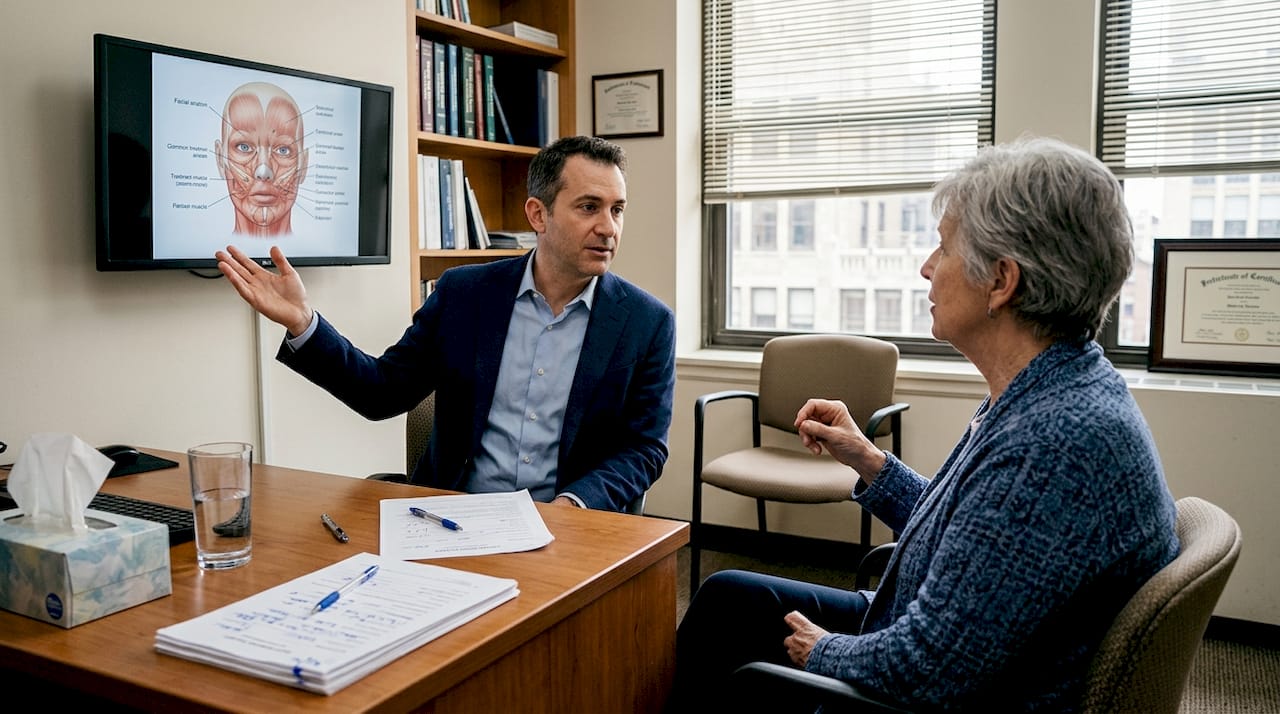
As detailed in the Facial Rejuvenation Overview, surgical options primarily involve facelift techniques such as the deep plane facelift, which repositions the deeper facial layers including the SMAS and fat pads for a natural, long-lasting lift. Blepharoplasty addresses drooping upper lids and under-eye bags, while a neck lift targets laxity and banding beneath the chin.
| Procedure | Key benefit | Longevity | Recovery |
|---|---|---|---|
| Deep plane facelift | Lifts mid-face and jowls | 7–10+ years | 2–4 weeks |
| Blepharoplasty | Refreshes eye area | 5–10 years | 7–14 days |
| Neck lift | Defines jawline and neck | 5–10 years | 2–3 weeks |
Key facts about surgical facial rejuvenation:
- Procedures are performed under general or local anaesthesia with sedation
- Results are significantly longer-lasting than non-surgical alternatives
- Swelling and bruising are normal and typically resolve within 2–4 weeks
- Scarring is minimal when placed within natural skin creases by an experienced surgeon
“Surgery repositions what has fallen rather than simply tightening the surface, which is why the results look so much more natural than the techniques of 20 years ago.”
Exploring facelift surgery options with a GMC-registered consultant is the most reliable way to understand whether surgery is appropriate for your anatomy and goals. Making a choice between non-surgical and surgical options requires thoughtful safety evaluation.
Choosing safe and effective facial rejuvenation in the UK
Safety in facial rejuvenation begins with the practitioner. The NHS cosmetic procedures guidance is clear: choose GMC-registered doctors, avoid non-medical providers for injectables, and always undergo a detailed consultation including 3D analysis for balanced outcomes.
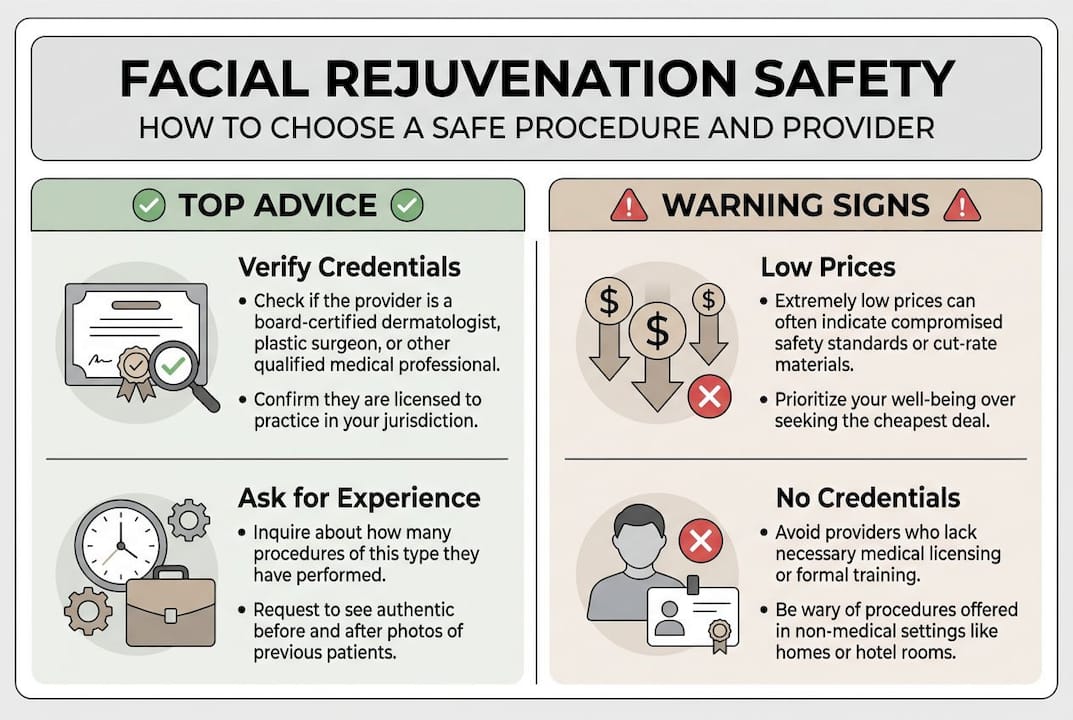
The BAPRAS patient guidelines reinforce the importance of verifying credentials before committing to any procedure. For surgical treatments, look for surgeons listed with BAAPS (British Association of Aesthetic Plastic Surgeons) or BAPRAS.
Here is what a thorough consultation should include:
- Full medical history review, including medications and previous procedures
- Facial assessment using 3D imaging or detailed photographic analysis
- Honest discussion of realistic outcomes and what each treatment can and cannot achieve
- Clear explanation of risks, recovery, and aftercare requirements
- Written information to review before making any decision
Understanding how to identify GMC-registered plastic surgeon guidance protects you from the small but real risk of harm from unqualified practitioners. Reading about safe plastic surgery options before your first appointment will help you ask the right questions.
Pro Tip: Prepare for your expert consultation process by writing down your top three concerns and the outcomes you genuinely want. Practitioners can tailor plans far more effectively when patients articulate their goals clearly rather than pointing to celebrity photographs.
Warning signs to avoid include clinics offering steep discounts, practitioners who cannot show verifiable credentials, and any provider who pressures you to decide on the day. Once the importance of qualified practitioners and preparation is clear, practical aftercare and risk minimisation round out the process.
Optimising recovery and results: Aftercare and risk reduction
How you prepare for and recover from facial rejuvenation has a direct impact on your results. Research on rhytidectomy complications confirms that preventing complications relies on smoking cessation, blood pressure control, and the use of agents such as tranexamic acid (TXA) and fibrin sealants during surgery, alongside a philosophy that prioritises harmony over dramatic change.
Key habits that support optimal outcomes:
- Stop smoking at least six weeks before any surgical procedure
- Avoid blood-thinning medications such as aspirin and ibuprofen in the week before treatment
- Stay well hydrated and maintain a stable, healthy weight
- Follow your surgeon’s aftercare instructions precisely, including wound care and activity restrictions
- Protect healing skin from sun exposure using SPF 50 daily
- Attend all follow-up appointments so your practitioner can monitor progress
For non-surgical treatments, aftercare is simpler but still important. Avoid intense heat, strenuous exercise, and alcohol for 24–48 hours after injectables or energy-based treatments.
Pro Tip: The best long-term results come from thinking of facial rejuvenation as a gradual programme rather than a single event. Combining maintenance non-surgical treatments with a well-timed surgical procedure, when appropriate, produces far more harmonious ageing over the years. Guidance on cosmetic surgery recovery can help you plan realistically from the outset.
Having covered the steps to safe and harmonious results, let’s share a unique clinical perspective for anyone considering facial rejuvenation.
What most articles don’t tell you about facial rejuvenation
After years of working with patients across a wide spectrum of concerns and budgets, one pattern stands out consistently: the patients who are happiest with their results are rarely those who pursued the most dramatic change. They are the ones who came in with a clear, personal reason for wanting to look more refreshed and were willing to trust the process of gradual, well-planned treatment.
The trend-driven approach, chasing whatever procedure is currently popular on social media, almost always produces results that date quickly and feel disconnected from the individual’s natural features. True rejuvenation restores the version of you that feels authentic, not a version borrowed from someone else’s face.
What we would tell a close friend before their first consultation is simple: go in with curiosity rather than a fixed outcome. Ask questions. Be honest about your lifestyle and your expectations. A good practitioner will tell you what is possible, what is not, and which path makes most sense for your anatomy right now. The importance of consultations cannot be overstated: it is where the best results genuinely begin.
Exploring your options with a trusted clinic
If this guide has helped clarify your thinking, the natural next step is a bespoke clinical assessment with a team that understands both the art and the science of facial rejuvenation. At Lux Plastic Surgery, Professor Sandip Hindocha and his team offer personalised consultations across Bedford, London, and Manchester, combining surgical expertise with a full range of non-surgical options.
Whether you are curious about a single treatment or weighing up a more involved plan, browsing the full range of plastic surgery services is a helpful starting point. You can also explore guidance on choosing the right approach between surgical and non-surgical routes, or review the most popular procedures to see what resonates with your goals. Book a consultation and take the first step towards results that feel genuinely like you.
FAQ
Is facial rejuvenation suitable for everyone?
Most healthy adults can consider facial rejuvenation, but suitability depends on medical history, skin condition, and personal expectations. A GMC-registered specialist consultation is essential before proceeding with any treatment.
How long do facial rejuvenation results last?
Results vary considerably by treatment type. Non-surgical options typically last 6–24 months, while surgical procedures such as facelifts can maintain results for 7–10 years or more with appropriate aftercare.
Are facial rejuvenation procedures available on the NHS?
Cosmetic facial rejuvenation is not routinely available on the NHS and is considered a private treatment in the UK, as confirmed by NHS cosmetic guidance.
What risks should I consider before facial rejuvenation?
Risks include infection, bruising, asymmetry, and unsatisfactory cosmetic outcomes. These are significantly reduced by selecting qualified practitioners and following pre- and post-care advice, as outlined in rhytidectomy complication research.
Recommended
- Why expert surgeon consultations are vital for safe cosmetic surgery
- How to evaluate plastic surgery options safely in 2026
- Scar treatments explained: options and outcomes for UK adults
- Choosing a GMC-registered plastic surgeon: safety and results
- Cosmetic dentistry explained: Modern solutions for a confident smile | Paynless