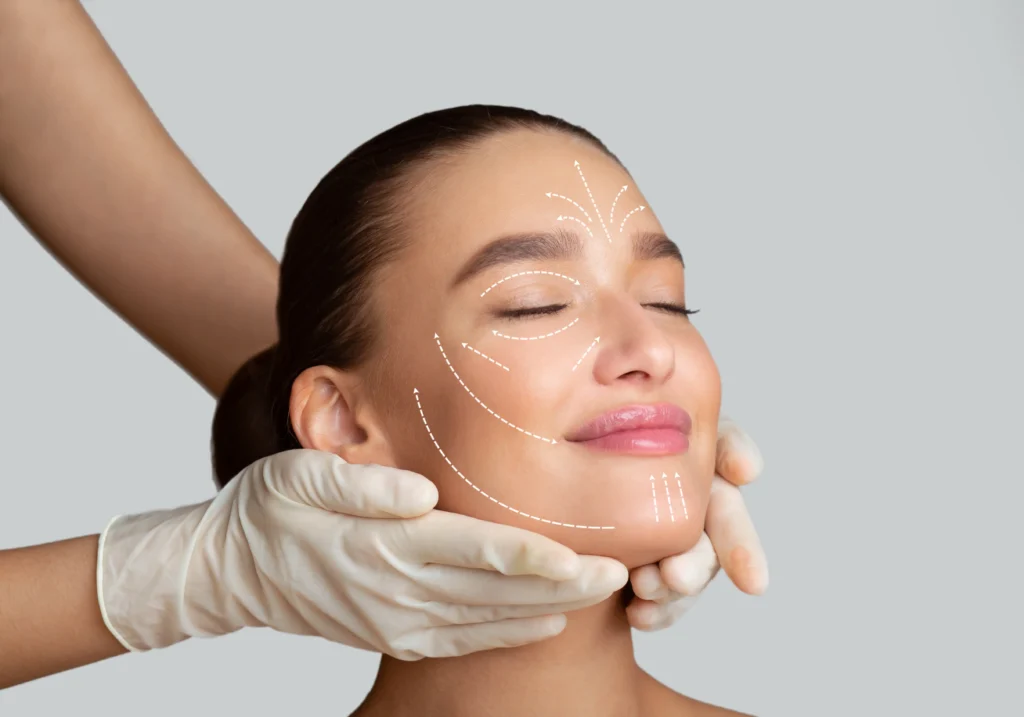
Non-surgical aesthetic treatments are defined as procedures that enhance appearance without surgical incisions, general anaesthesia, or hospital admission. The advantages of non-surgical aesthetics are well established in clinical practice: minimal downtime, a lower risk profile than surgery, and progressive results that preserve natural facial movement. Commonly used modalities include neuromodulators such as botulinum toxin, biostimulator fillers such as Sculptra, dermal fillers, high-intensity focused ultrasound (HIFU), and laser therapies. For UK adults in their 40s and 50s exploring cosmetic enhancement, these treatments represent a clinically sound starting point before any surgical decision is made.
1. Advantages of non-surgical aesthetics: safety and convenience
The most immediate advantage of non-surgical aesthetic procedures over surgery is the absence of general anaesthesia. General anaesthesia carries its own risk profile, including cardiovascular and respiratory complications, none of which apply to clinic-based injectable or energy-based treatments. This single factor makes non-surgical options accessible to patients who would not be suitable candidates for theatre.
Procedure times are short. Botox appointments typically take 30 minutes, and most patients return to normal activities within 24 hours. There are no surgical wounds, no drains, and no scarring. The side-effect profile is mild: temporary redness, swelling, or bruising at the treatment site, which typically resolves within one to five days.
- No hospital admission or overnight stay required
- No general anaesthesia and its associated risks
- No surgical scars or wound-care requirements
- Mild side effects lasting one to five days in most cases
- Return to work and social activities within 24 hours for most treatments
Pro Tip: Schedule injectable treatments on a Thursday or Friday. Any minor bruising or swelling typically resolves over the weekend, leaving you confident and presentable by Monday.
For a detailed comparison of what recovery looks like across both surgical and non-surgical options, the recovery expectations guide at Lux Plastic Surgery is a useful reference.
2. Cost considerations and financial planning
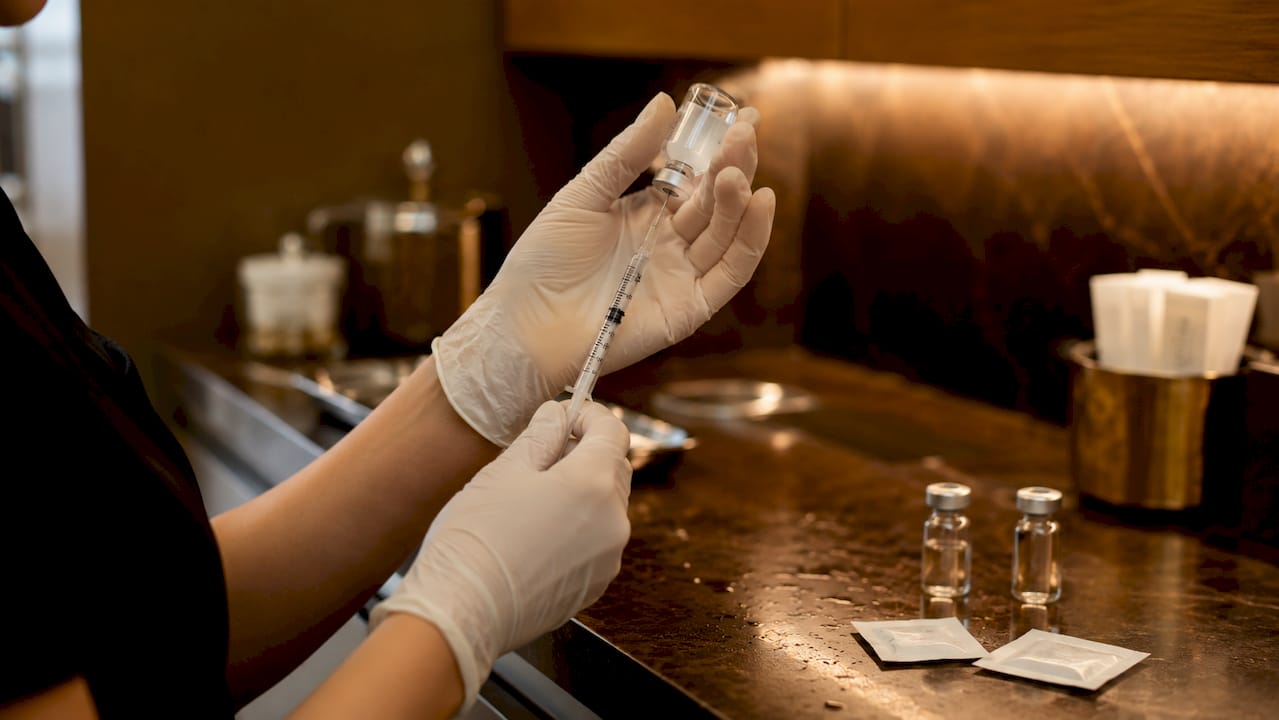
Non-surgical treatments carry a lower upfront cost than surgery. A course of botulinum toxin injections in the UK typically costs between £200 and £400 per session. A surgical facelift, by contrast, ranges from £6,000 to £12,000 or more when theatre fees, anaesthesia, and aftercare are included. For patients who are not yet ready for surgery, or who are unsuitable candidates, the financial barrier to entry is considerably lower.
The cost picture changes over time, however. Long-term maintenance for non-surgical treatments may exceed the one-off cost of surgery when calculated across a decade. Botulinum toxin requires repeat sessions every three to four months. Dermal fillers typically last six to eighteen months. Biostimulator fillers such as Sculptra may last two years or more, offering better value per cycle.
| Treatment type | Approximate UK cost per session | Typical duration of results |
|---|---|---|
| Botulinum toxin | £200 to £400 | 3 to 4 months |
| Dermal fillers | £300 to £600 | 6 to 18 months |
| Biostimulator fillers (e.g. Sculptra) | £500 to £900 | Up to 2 years |
| HIFU (e.g. Ultherapy) | £800 to £2,000 | 12 to 18 months |
The practical approach is to plan treatment as a programme rather than a one-off event. Combining modalities in a single appointment, for example pairing botulinum toxin with a small volume of filler, reduces the number of clinic visits and can lower the overall annual spend. The surgical vs non-surgical criteria guide at Lux Plastic Surgery outlines the financial and clinical decision points in plain terms.
Pro Tip: Ask your practitioner to map out a 12-month treatment plan at your first consultation. Knowing the annual cost upfront allows you to budget accurately and avoid unplanned spending.
3. Neuromodulators and dynamic wrinkle reduction
Botulinum toxin, the active ingredient in products such as Botox, works by temporarily relaxing the muscles responsible for expression lines. Frown lines between the brows, forehead creases, and crow’s feet around the eyes respond well to this approach. The result is a softening of movement rather than a freezing of expression, provided the dose is calibrated correctly by an experienced practitioner.
The subtlety of the outcome is one of the most clinically significant advantages of this modality. Patients retain facial animation. Colleagues and friends notice that someone looks refreshed rather than altered. This aligns with the broader philosophy of modern non-surgical aesthetics, which prioritises enhancement of natural features over dramatic transformation.
Neuromodulators are also used preventively. Beginning treatment in the mid-30s, before lines become static and etched into the skin at rest, reduces the depth of future wrinkles. This is a clinically rational approach to ageing that surgery cannot replicate at the same stage of life.
4. Biostimulator fillers and collagen regeneration
Biostimulator fillers represent a distinct category from standard hyaluronic acid dermal fillers. Products such as Sculptra (poly-L-lactic acid) and Radiesse (calcium hydroxylapatite) do not add volume directly. Instead, they stimulate the body’s own fibroblasts to produce new collagen over a period of weeks to months. The result is a gradual, natural-looking improvement in skin quality and structural support.
Biostimulators address the root cause of facial ageing rather than masking it. Volume loss and skin laxity occur because collagen production declines from the mid-30s onwards. By stimulating new collagen, these treatments restore the structural foundation of the face rather than simply filling a hollow. The improvement continues for several months after the final session, which is a characteristic no surgical procedure can replicate.
Skin biological condition, notably existing collagen levels, guides treatment selection more reliably than chronological age. Patients in their 40s and 50s often respond particularly well to biostimulators combined with advanced laser tightening, as their skin retains enough structural integrity to respond to the regenerative stimulus.
5. Dermal fillers and volume restoration
Hyaluronic acid dermal fillers restore volume to areas that have deflated with age: the cheeks, temples, nasolabial folds, lips, and under-eye hollows. Hyaluronic acid is a substance naturally present in the skin, which makes it well tolerated and reversible. If a result is unsatisfactory, the filler can be dissolved with hyaluronidase, a safety feature that no surgical procedure offers.
The clinical skill lies in placement and volume. Over-filling is the most common cause of an unnatural appearance, and it is entirely avoidable with a conservative, staged approach. A well-placed 1ml of cheek filler can restore the facial triangle of youth without altering the patient’s fundamental appearance. The goal, as Professor Hindocha consistently emphasises at Lux Plastic Surgery, is for the patient to look like themselves on a good day, not like a different person.
Fillers also address medically complex presentations. Patients who have experienced rapid facial volume loss following GLP-1 receptor agonist treatment for weight management, for example, can benefit from personalised non-surgical plans that restore skin volume strategically and proportionately.
6. Laser, HIFU, and skin-tightening technologies
Energy-based treatments including HIFU (high-intensity focused ultrasound), radiofrequency microneedling, and fractional laser address skin laxity and texture in ways that injectables cannot. HIFU delivers focused ultrasound energy to the deep structural layer of the skin, the same layer addressed in a surgical facelift, stimulating collagen contraction and new production.
The results are measurable but bounded. HIFU lifts skin by approximately 2 to 3 centimetres, whereas a surgical facelift achieves 4 to 6 centimetres of lift. This distinction matters for patient selection. HIFU is appropriate for refinement and maintenance in patients with mild to moderate laxity. It is not a substitute for surgery in patients with significant skin excess.
Fractional laser treatments, such as those using CO2 or erbium platforms, resurface the skin by creating controlled micro-injuries that stimulate collagen remodelling. They are particularly effective for improving skin texture, reducing pigmentation, and softening superficial lines. Combined with injectables, they form part of a combination therapy approach now considered the gold standard for non-surgical facial rejuvenation.
7. The case for combination treatment
No single non-surgical modality addresses all aspects of facial ageing simultaneously. Volume loss, dynamic wrinkles, skin laxity, and surface texture are four distinct problems requiring four distinct solutions. Combination therapy, using neuromodulators, fillers, biostimulators, and energy-based devices together, produces results that are greater than the sum of their parts.
28.2 million minimally invasive procedures were performed in the United States in 2024, with seven FDA-approved neuromodulators and advanced biostimulator fillers leading the market. This scale reflects not a trend but a clinical consensus: combination non-surgical treatment works, and patients are choosing it in significant numbers.
The practical implication is that a consultation should assess the face as a whole rather than treating isolated concerns. A practitioner who addresses only the frown lines without considering volume loss in the midface will produce a result that looks incomplete. Comprehensive assessment is the foundation of natural outcomes.
8. Gradual results and the philosophy of subtlety
Progressive improvement over weeks to months is a clinical feature, not a limitation. Biostimulator fillers, for example, continue improving the skin for up to six months after the final treatment session. This gradual timeline means that no single dramatic change occurs that colleagues or family members can pinpoint. The patient simply looks progressively better.
“The most satisfying outcomes I see are those where the patient’s friends say they look well-rested, not that they’ve had something done. That is the standard we work to at Lux Plastic Surgery.”
Enhancement rather than transformation is the defining philosophy of modern non-surgical aesthetics. Preserving facial movement and individual expression is not a compromise. It is the objective. Patients who begin treatment in their late 30s or early 40s, before significant structural change has occurred, are able to maintain their appearance with relatively modest interventions over time.
Non-surgical treatments also serve as a means of delaying surgery by maintaining collagen levels and skin quality in the years when surgical intervention would be premature. This is not avoidance of surgery but a clinically rational sequencing of care. Many patients who begin with non-surgical treatments at 40 find that they are in a significantly better position at 55, requiring less surgical correction than they would have without any intervention.
Patient-specific treatment plans that match skin biology and ageing stage to the appropriate modality consistently deliver the most satisfying results. A 48-year-old with good skin elasticity and mild volume loss has a very different clinical profile from a 48-year-old with significant laxity and deep static lines. Treating them identically would be poor medicine.
The personalised non-surgical approach outlined by Lux Plastic Surgery reflects this principle: start with the minimum effective intervention, assess the response, and build from there. This is the smartest clinical strategy for long-term aesthetic health.
Key takeaways
Non-surgical aesthetic treatments deliver safe, progressive, and natural-looking results through combination therapy, with minimal downtime and a lower initial cost than surgery.
| Point | Details |
|---|---|
| Safety profile | No general anaesthesia, no surgical scars, and side effects that resolve within one to five days. |
| Cost structure | Lower upfront cost than surgery, but ongoing maintenance sessions are required every three to twenty-four months depending on the modality. |
| Combination therapy | Neuromodulators, fillers, biostimulators, and energy-based devices work together for the most natural outcomes. |
| Gradual improvement | Results develop over weeks to months, preserving facial expression and avoiding sudden visible change. |
| Surgical delay | Early non-surgical intervention maintains collagen levels and can postpone the need for surgery by years. |
A consultant’s perspective on non-surgical aesthetics
The patients who achieve the best outcomes from non-surgical treatments are those who arrive with realistic expectations and a willingness to think in terms of years rather than weeks. This is not a criticism. It reflects a maturity in how people now approach cosmetic care, and it is a shift I welcome.
What I find clinically interesting is how often patients underestimate the role of skin biology in determining what a treatment can achieve. Chronological age is a poor guide. I have assessed patients in their early 40s whose collagen reserves are already significantly depleted, and patients in their late 50s whose skin responds vigorously to biostimulator treatment. The assessment must be biological, not arithmetical.
The question I am asked most frequently is whether non-surgical treatments are “worth it” compared to surgery. The honest answer is that they address different problems at different stages of life. For a patient with mild to moderate concerns, non-surgical options are not a compromise. They are the correct clinical choice. For a patient with significant skin excess or structural change, surgery remains the more effective solution, and no amount of filler or HIFU will replicate what a well-executed facelift achieves.
What I would caution against is the assumption that non-surgical means low-risk in all circumstances. Vascular complications from filler, though rare, are serious. The practitioner’s anatomy knowledge and injection technique matter enormously. At Lux Plastic Surgery, all aesthetic treatments are conducted or directly supervised by consultant-level clinicians, which is not the standard across the industry. That distinction is worth understanding before you book anywhere.
The natural results philosophy we apply is grounded in the principle that the best aesthetic outcome is one that is invisible as an aesthetic outcome. You should look like yourself, only better.
— Lux
Explore non-surgical treatments at Lux Plastic Surgery

Lux Plastic Surgery offers consultant-led non-surgical aesthetic treatments across Bedford, London, and Manchester, directed by Professor Sandip Hindocha, GMC-registered Consultant Plastic Surgeon and FRCS (Plast). Every treatment plan begins with a thorough clinical assessment of your skin biology, facial structure, and personal goals. Whether you are considering botulinum toxin, biostimulator fillers, or energy-based skin tightening, the approach is always personalised and conservative. Explore the full range of non-surgical facial treatments available, or review the broader aesthetic medicine options to understand what may be appropriate for your stage of ageing. To arrange a consultation, contact the team directly.
This article is for informational purposes only and does not constitute medical advice. Consult a GMC-registered specialist before pursuing any aesthetic treatment.
FAQ
Are non-surgical aesthetic treatments safe?
Non-surgical treatments carry a significantly lower risk profile than surgery, as they require no general anaesthesia and produce no surgical scars. Serious complications are rare but possible, particularly with injectable fillers, which is why treatment should always be performed by a qualified, experienced clinician.
How long do non-surgical aesthetic results last?
Duration varies by modality. Botulinum toxin lasts three to four months, hyaluronic acid fillers last six to eighteen months, and biostimulator fillers such as Sculptra can last up to two years. Energy-based treatments such as HIFU typically maintain results for twelve to eighteen months.
Can non-surgical treatments replace a facelift?
Non-surgical treatments are not a direct substitute for surgery in patients with significant skin laxity or structural change. HIFU, for example, achieves a lift of 2 to 3 centimetres compared to 4 to 6 centimetres for a surgical facelift. For mild to moderate concerns, however, non-surgical options are clinically appropriate and effective.
Who is the ideal candidate for non-surgical aesthetics?
Patients in their late 30s to mid-50s with mild to moderate signs of ageing, good baseline skin quality, and realistic expectations tend to achieve the most satisfying results. Skin biological condition, including existing collagen levels, is a more reliable guide to suitability than age alone.
How much do non-surgical aesthetic treatments cost in the UK?
Costs vary by treatment type. Botulinum toxin sessions typically range from £200 to £400, dermal fillers from £300 to £600, and HIFU from £800 to £2,000 per session. A personalised treatment plan from a consultant-led clinic will provide a clear annual cost projection based on your specific clinical needs.