Medically reviewed by Professor Sandip Hindocha, GMC-registered Consultant Plastic Surgeon and NHS Clinical Director. Articles are reviewed against current UK guidance from the GMC, BAAPS, BAPRAS and NICE.
TL;DR:
- Body sculpting reshapes specific body areas by removing excess fat and tightening skin, not for weight loss.
- It involves surgical and non-invasive techniques that target stubborn fat pockets resistant to diet and exercise.
Body sculpting is one of the most misunderstood procedures in cosmetic medicine. Many people assume it is simply a faster way to lose weight, but that is not what it does. Body sculpting is a medical procedure designed to reshape specific areas by removing excess fat and tightening skin. It does not treat obesity and does not produce the health benefits associated with losing weight. What it does do is address stubborn fat pockets and contour irregularities that diet and exercise simply cannot fix. This guide covers what is body sculpting, how it works, the treatments available, and what you can realistically expect from results.
Key takeaways
| Point | Details |
|---|---|
| Not a weight loss treatment | Body sculpting reshapes specific areas; it does not replace diet, exercise, or medical weight management. |
| Multiple techniques available | Options range from surgical liposuction to non-invasive fat freezing and radiofrequency treatments. |
| Results require patience | Non-invasive methods typically show optimal results around 12 weeks after treatment, not immediately. |
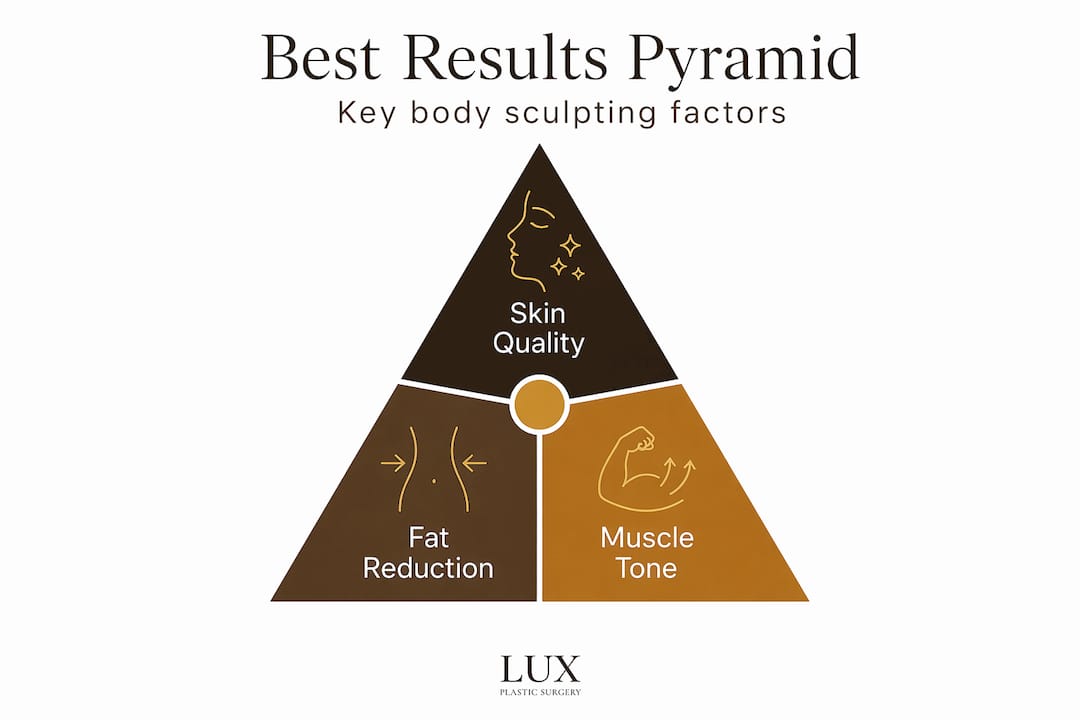
| A 3D approach matters | Addressing fat, skin laxity, and muscle tone together produces far more natural-looking outcomes. |
| Qualified assessment is critical | Patient selection, health status, and skin quality all directly affect how well results turn out. |
What is body sculpting and how does it work?
Body sculpting, also called body contouring, refers to a group of surgical and non-surgical treatments that reshape the body by targeting localised fat deposits and addressing skin laxity. The goal is not to reduce your overall weight. It is to refine your shape in specific areas where fat has resisted your best efforts at the gym or in the kitchen.
The distinction between weight loss and body sculpting matters more than most people realise. When you lose weight, your body burns fat from stores across your entire body, and the process is systemic. Body sculpting works differently. It targets particular fat cells in a defined area, either removing them physically or destroying them so the body can clear them naturally over several weeks.
Here is what happens at the cellular level with different approaches:
- Cryolipolysis (fat freezing): Fat cells are more sensitive to cold than surrounding tissue. Selective cryolysis kills fat cells at low temperatures without harming skin, nerves, or muscle. The destroyed cells are cleared gradually by the immune system over weeks.
- Radiofrequency energy: Devices heat tissue to a precise temperature range that triggers fat cell death and stimulates collagen production for skin tightening.
- Surgical removal: Liposuction physically removes fat via a cannula, producing immediate volume reduction.
The role of skin tightening in body sculpting is often underestimated. Removing fat without addressing skin laxity risks rippling or sagging in the treated area. This is why the most effective treatment plans consider fat, skin, and muscle tone as a combined picture rather than isolated targets.
Pro Tip: If you are researching body sculpting options for the first time, think about what you want to change specifically, not just generally. Knowing whether you want to address skin laxity, volume, or both will help your practitioner recommend the right approach at consultation.
Types of body sculpting techniques
The range of body sculpting techniques available in 2026 is broader than it has ever been, which makes choosing between them feel complex. Breaking them down into surgical and non-surgical categories is the clearest starting point.
Surgical body sculpting
Liposuction remains the most established surgical option. It physically removes fat from targeted areas through small incisions and a fine cannula connected to a suction device. Results are immediate in terms of volume reduction, although swelling takes weeks to settle fully. Body lifts and skin excision procedures are also surgical, designed primarily to remove loose skin rather than fat, and are often relevant after significant weight loss.
Non-invasive body sculpting
What is non-invasive body sculpting, exactly? It refers to treatments that reduce or reshape fat without incisions, anaesthesia, or recovery time. The three main technologies are cryolipolysis, radiofrequency, and laser lipolysis.
Cryolipolysis typically removes 20 to 25% of fat cells per treated area per session, with results appearing over approximately 12 weeks. Sessions last around 25 minutes per area, and patients return to normal activity immediately.
Radiofrequency devices such as Trusculpt iD heat tissue to between 43 and 47°C, inducing fat cell death and muscle hypertrophy simultaneously. This makes it one of the few non-surgical options that addresses both fat reduction and muscle toning in one treatment.
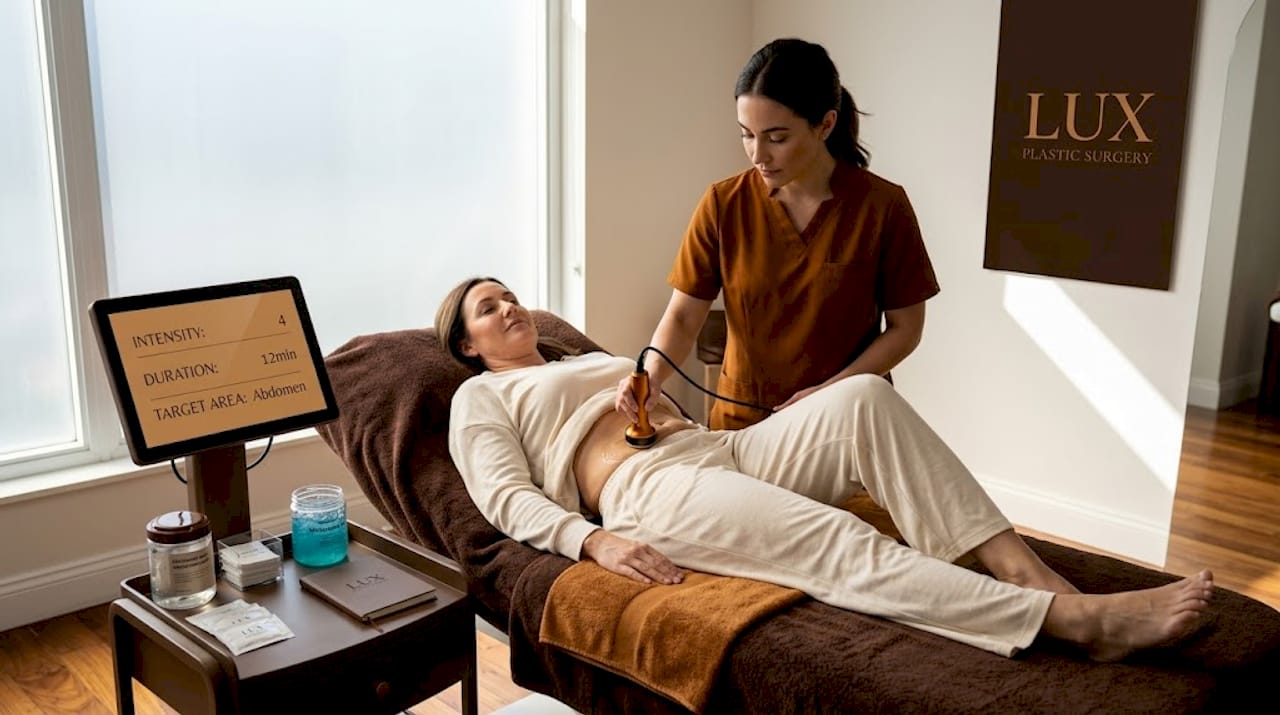
Laser lipolysis uses targeted light energy rather than cold or heat. The SlimVive diode system uses a 1060 nm laser to heat and destroy fat cells without damaging surrounding tissue, with results typically emerging between six and twelve weeks post-treatment.
| Treatment | Method | Downtime | Results timeline | Best for |
|---|---|---|---|---|
| Liposuction | Surgical fat removal | 1 to 2 weeks | Weeks to months | Larger volume reduction |
| Cryolipolysis | Fat freezing | None | 8 to 12 weeks | Localised fat pockets |
| Radiofrequency (Trusculpt iD) | Heat energy | Minimal | 6 to 12 weeks | Fat and muscle toning |
| Laser lipolysis | Light energy | Minimal | 6 to 12 weeks | Moderate fat reduction |
| Body lift or skin excision | Surgical skin removal | 2 to 6 weeks | Months | Post-weight loss skin laxity |
Pro Tip: Combined approaches, for example pairing liposuction with radiofrequency skin tightening, often produce better results than any single treatment alone. Ask your practitioner whether a combined protocol suits your goals before committing to one option.
Benefits, risks, and realistic expectations
Body sculpting delivers meaningful results for the right candidates, but results may not suit everyone, and non-invasive procedures do not remove tissue. They reshape it by disrupting fat cells. Setting realistic expectations before treatment protects you from disappointment and guides better decision-making.
The primary benefits of body sculpting include:
- Targeted fat reduction in areas resistant to diet and exercise, such as the lower abdomen, flanks, inner thighs, and upper arms
- Improved body contour and proportion, which clothing and confidence both reflect
- Skin tightening in procedures that stimulate collagen or use thermal energy
- Minimal downtime with non-surgical options, making them accessible alongside work and normal routines
- Permanent fat cell removal in treated areas, provided weight remains stable after treatment
The limitations are equally worth understanding. Body sculpting is not appropriate for obesity or as a substitute for weight loss. Results from non-invasive methods are gradual, not immediate. Surgical procedures carry standard operative risks including infection, asymmetry, and contour irregularities if not performed by an experienced surgeon.
Skin quality plays a particularly important role in outcomes. A 3D approach addressing fat, skin, and muscle tone produces far more natural-looking results than fat removal alone. Patients with good skin elasticity generally achieve better non-surgical results than those with significant laxity, who may require a combined or surgical approach.
How to choose the right body sculpting option
Choosing between body sculpting options depends on your goals, health status, and the specific areas you want to address. There is no single best treatment because each person presents a different combination of factors.
The key considerations when making your decision include:
- Your goals: Are you trying to reduce volume, tighten loose skin, improve muscle definition, or a combination? Each goal points to different treatments.
- The area involved: Some devices work better on the abdomen or flanks; others target smaller zones like the chin or upper arms.
- Your skin quality: Loose or crepey skin may not respond well to fat removal alone and could worsen the appearance without skin tightening.
- Your health status: Underlying conditions, medications, and body weight all influence which procedures are safe and appropriate for you.
- Your tolerance for downtime: Surgical options produce more significant results but require recovery time. Non-surgical treatments fit into busy schedules more easily.
A professional assessment by a qualified and GMC-registered plastic surgeon is the single most important step before any treatment. A thorough consultation should include an evaluation of your body composition, skin quality, fat distribution, and medical history. Ideally, this involves a 3D assessment of your shape to plan a treatment that achieves balanced, proportionate results.
Pro Tip: Bring photographs of areas you are concerned about to your consultation. Practitioners find it far easier to understand your goals when they can see what you see in the mirror, not just what they observe during an examination.
The body contouring trends 2026 article on the Luxplasticsurgery website covers the latest approaches in the UK if you want a broader view of what is currently available and most in demand.
Maintaining your results long-term
Body sculpting creates lasting changes to the fat cells in treated areas, but maintaining those results depends significantly on your lifestyle after treatment.
Key habits that protect and prolong your results include:
- Keeping your weight stable. Destroyed fat cells do not return, but remaining fat cells in the treated area can expand if you gain weight. Significant weight gain after treatment will diminish the contouring effect.
- Regular exercise and a nutritious diet. These support the overall body composition that shows off your results best.
- Hydration. Staying well-hydrated supports the lymphatic clearance of destroyed fat cells after non-invasive treatments and assists skin health over time.
- Attending follow-up appointments. Your practitioner may recommend additional sessions or touch-up treatments depending on how your body responds and your ongoing goals.
- Monitoring for complications. Any unusual swelling, pain, or asymmetry appearing after the initial recovery period warrants prompt medical attention.
For patients who have undergone post-weight loss body contouring, maintenance is especially relevant because the skin and tissue have already been through significant change. Staying within a stable weight range after treatment is the most important thing you can do.
My honest view on body sculpting expectations
I have spoken with and read extensively about the experiences of patients who walked away delighted and those who felt let down, and the difference almost always comes down to expectations, not the treatment itself.
Body sculpting is not a quick fix. It is a precise intervention that works best when it sits within a broader commitment to health and body confidence. I have seen patients achieve genuinely meaningful results from a well-planned programme combining fat reduction with skin tightening. I have also seen patients disappointed because they expected dramatic weight loss outcomes from a procedure that was never designed to do that.
The art in this field lies in that balance between fat removal and skin retraction that the research consistently highlights. Skin tightening combined with fat removal produces the kind of results that look natural and last. Fat removal alone, particularly in patients with looser skin, can create new problems rather than solve old ones.
What I find most interesting heading into 2026 is the growing demand for body contouring following GLP-1 medication use. The so-called ‘Ozempic makeover’ is a real and growing trend, as patients who have lost significant weight through medication are left with skin laxity and contour changes that only surgical or advanced non-surgical treatment can address. This is one of the most significant shifts in patient needs right now.
My advice is simple. Get a proper consultation from someone qualified. Be honest about your goals. And treat body sculpting as the beginning of a commitment to yourself, not the end of one.
— Gregg
Explore body sculpting at Luxplasticsurgery
Whether you are considering non-surgical fat reduction or a more involved surgical approach, having the right guidance from the start makes all the difference.
Luxplasticsurgery, led by award-winning consultant Professor Sandip Hindocha, offers body contouring in Bedford alongside clinics in London and Manchester. The clinic provides bespoke treatment plans built around your individual anatomy, goals, and health status. Every consultation includes a thorough assessment of fat distribution, skin quality, and muscle tone to identify which combination of treatments will deliver the most natural-looking outcome. If you are weighing up your options, explore the surgical vs non-surgical procedures comparison guide or book a consultation directly through the Luxplasticsurgery website to receive personalised expert advice.
FAQ
What is body sculpting?
Body sculpting is a group of medical procedures designed to reshape specific areas of the body by removing excess fat and tightening skin. It is not a weight loss treatment and is not suitable for treating obesity.
Is body sculpting effective?
Yes, for the right candidates. Non-invasive methods such as cryolipolysis can remove 20 to 25% of fat cells per treated area per session, with results visible at around 12 weeks. Surgical options produce more significant changes, though they carry greater recovery time.
What is the difference between body sculpting vs liposuction?
Liposuction is one type of body sculpting. It is a surgical option that physically removes fat through suction. Non-surgical body sculpting techniques such as fat freezing or radiofrequency achieve fat reduction without incisions, though results are more gradual and typically less dramatic.
How does non-invasive body sculpting work?
Non-invasive body sculpting works by using cold, heat, or light energy to damage and destroy fat cells in targeted areas without surgery. The body then naturally clears the disrupted cells over a period of weeks, gradually improving the contour of the treated area.
Who is a good candidate for body sculpting?
Good candidates are individuals at or near a stable, healthy weight who have localised fat deposits or skin laxity that has not responded to diet and exercise. A professional medical assessment is required to determine which treatment is appropriate based on skin quality, fat distribution, and health history.