TL;DR:
- Skin rejuvenation involves therapies that stimulate collagen and elastin to restore skin’s texture, tone, and firmness.
- Choosing appropriate treatments depends on skin type, concern severity, and desired recovery, with results generally visible after several weeks.
- Consistent photoprotection and proper aftercare are essential for maintaining long-term improvements and optimal skin health.
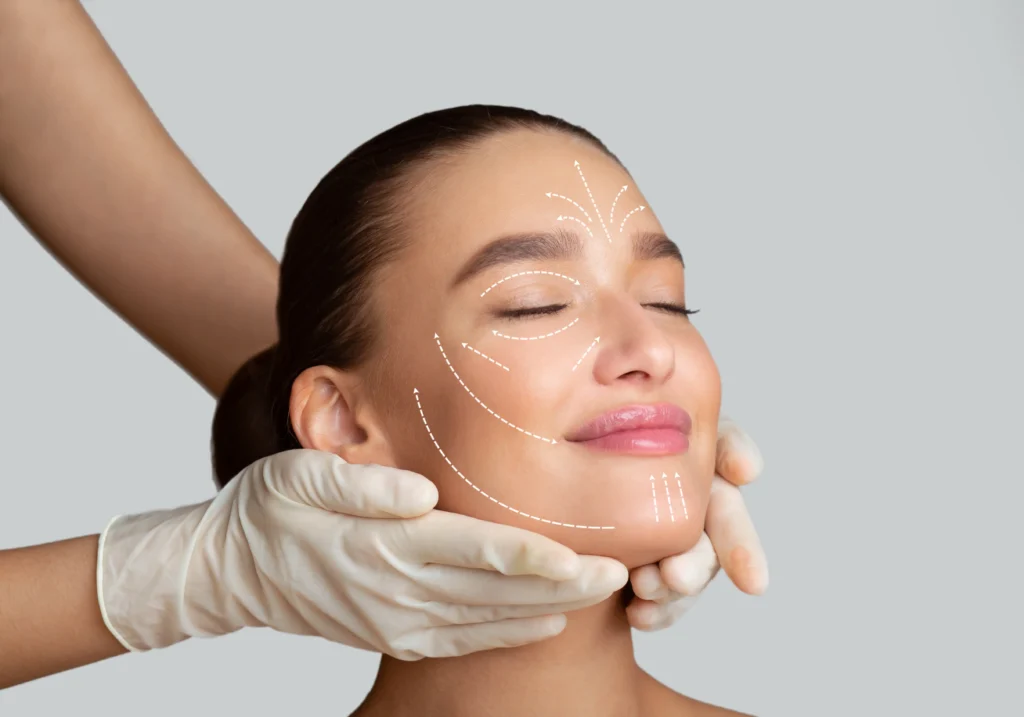
Skin rejuvenation is the process of restoring healthier, younger-looking skin by employing treatments that improve texture, tone, and firmness at a structural level. Clinically, the term covers a broad spectrum of procedures, from laser therapy and microneedling to chemical peels and radiofrequency, each designed to address specific concerns such as fine lines, pigmentation, acne scars, and skin laxity. These treatments work by stimulating collagen and elastin production in the dermis, the layer where the skin’s structural proteins reside. Understanding what these procedures can and cannot achieve is the most practical starting point for anyone considering them.
What are the main types of skin rejuvenation treatments?
Skin rejuvenation treatments divide broadly into three categories: non-invasive, minimally invasive, and topical. Each category works through a different mechanism, and the right choice depends on your skin concerns, tolerance for downtime, and desired depth of change.
The most widely used clinical options include:
- Laser therapy (such as fractional Q-switched Nd:YAG lasers): delivers targeted light energy to resurface the skin, reduce pigmentation, and stimulate collagen remodelling. Expert laser skin resurfacing at a qualified clinic produces measurable results with minimal downtime when parameters are correctly calibrated.
- Microneedling: creates controlled micro-injuries in the dermis to trigger the body’s natural healing response. Studies on microneedling and radiofrequency microneedling report improved skin laxity and wrinkles after multi-session protocols spanning weeks to months.
- Chemical peels: apply acids such as glycolic, salicylic, or trichloroacetic acid to remove damaged outer layers and accelerate cell turnover, improving surface texture and pigmentation.
- Radiofrequency (RF) and radiofrequency microneedling: use thermal energy to heat the dermis and stimulate neocollagenesis. Optimal RF microneedling settings include approximately 67°C temperatures and 3 to 4 mm needle spacing, based on neocollagenesis timeline analysis.
All of these methods share one underlying principle: they induce a controlled injury or thermal effect that prompts the skin to repair itself and produce new structural proteins. The difference lies in how deep they reach and how aggressively they stimulate that response.
Temporary side effects are common across most procedures. Redness, mild swelling, and sensitivity typically resolve within days. More significant reactions, such as post-inflammatory hyperpigmentation, are possible, particularly in darker skin tones or when settings are too aggressive.
Pro Tip: If you are new to clinical skin treatments, start with a single modality at a conservative setting before combining procedures. This gives your clinician a clear baseline to assess your skin’s response.
What measurable benefits can you expect from skin rejuvenation?
The benefits of skin rejuvenation are well-documented, but the timeline and degree of improvement vary by treatment type, skin condition, and the number of sessions completed. Realistic expectations are not pessimism. They are the foundation of a successful outcome.
Clinically, treatments improve surface smoothness, pigmentation, and firmness through collagen and elastin stimulation. Collagen, primarily type I, provides tensile strength, while elastin allows the skin to recoil. Both decline with age, and their restoration is the core goal of most rejuvenation procedures.
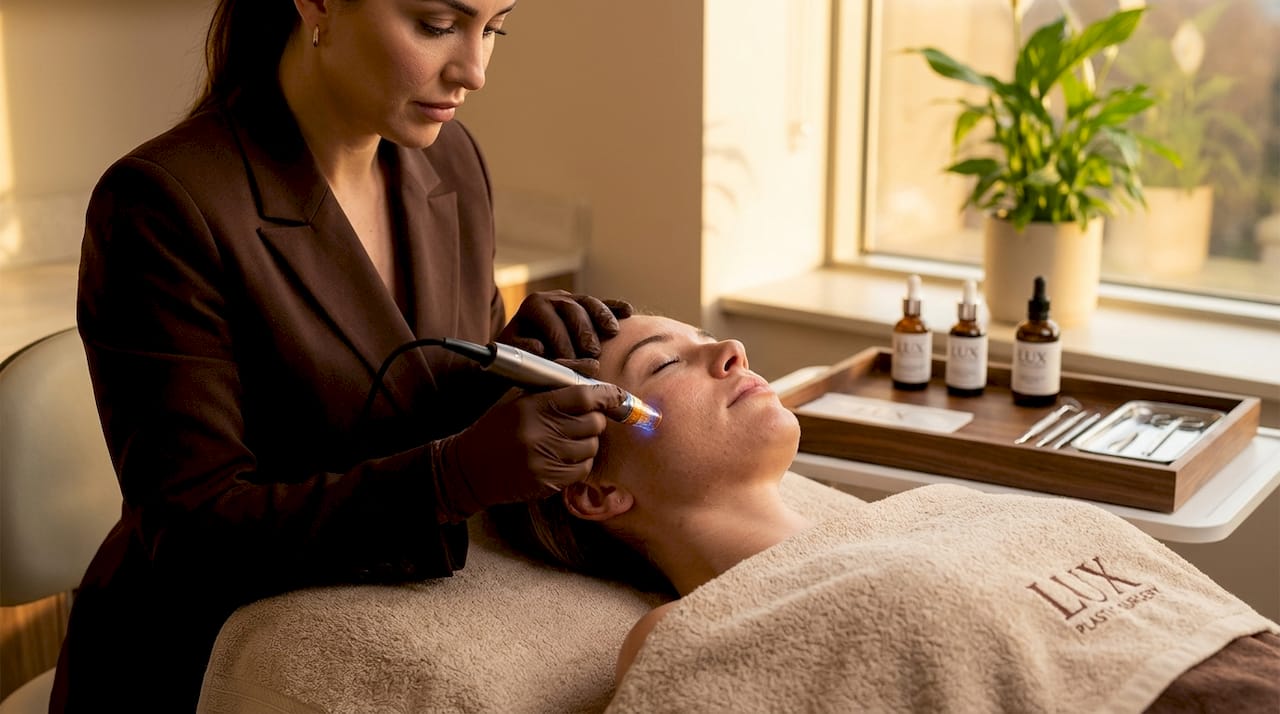
A 2026 fractional Q-switched 1064 nm Nd:YAG laser study demonstrated 94.4% patient satisfaction with wrinkle improvements at three months following a multi-session protocol, with no reported downtime. That figure reflects a best-case scenario for a well-selected patient group, not a universal guarantee, but it illustrates the ceiling of what modern non-surgical options can achieve.
The table below summarises what current evidence supports across the most common treatment types:
| Treatment | Primary benefit | Typical sessions needed | Visible results timeline |
|---|---|---|---|
| Fractional laser (Nd:YAG) | Wrinkle reduction, pigmentation | 3 to 5 sessions | 4 to 12 weeks post-treatment |
| Microneedling | Texture, laxity, acne scars | 3 to 6 sessions | 6 to 12 weeks |
| RF microneedling | Skin tightening, wrinkle reduction | 3 to 4 sessions | 8 to 16 weeks |
| Chemical peel (medium depth) | Pigmentation, surface texture | 1 to 3 sessions | 2 to 4 weeks |
One point that clinical studies consistently reinforce: visible changes often manifest weeks to months after treatment, reflecting the pace of collagen remodelling rather than any failure of the procedure. Judging results at two weeks and concluding the treatment did not work is one of the most common mistakes patients make.
How to protect and maintain your skin for long-term results
Clinical treatments create the conditions for improvement, but daily habits determine how long those improvements last. UV exposure is the single greatest threat to sustained results because sunlight accelerates collagen and elastin breakdown in the dermis, directly reversing the structural gains from treatment. Chronic UV damage also causes ongoing changes that treatments alone cannot fully reverse, making photoprotection a permanent, non-negotiable part of any rejuvenation programme.
A practical maintenance routine looks like this:
- Apply broad-spectrum SPF 30 or higher every morning, regardless of weather or season. Reapply every two hours if outdoors. This single step does more to preserve treatment results than any other product.
- Cleanse gently twice daily using a pH-balanced, non-stripping cleanser. Aggressive cleansing disrupts the skin barrier and increases sensitivity, particularly in the weeks following a procedure.
- Moisturise with hyaluronic acid or glycerin-based formulations. These humectants draw water into the skin and support barrier function without occluding pores or causing irritation.
- Incorporate antioxidants such as vitamin C or niacinamide into your morning routine. These neutralise free radicals generated by UV and pollution, reducing the oxidative stress that degrades collagen.
- Avoid direct sun exposure for at least two weeks post-procedure, particularly after microneedling or laser treatments. This is when the risk of post-inflammatory hyperpigmentation is highest, especially for medium to darker skin tones.
Supporting skin health from within also matters. Collagen peptide supplements, such as those in Savage Beauty Vital Glow, are increasingly used alongside clinical treatments to support dermal structure, though they work best as a complement to, not a replacement for, clinical procedures and photoprotection.
Pro Tip: Keep a simple photo log of your skin every four weeks under consistent lighting. This removes the subjectivity from progress assessment and helps your clinician adjust your treatment plan with actual evidence.
How to choose the right skin rejuvenation treatment for you
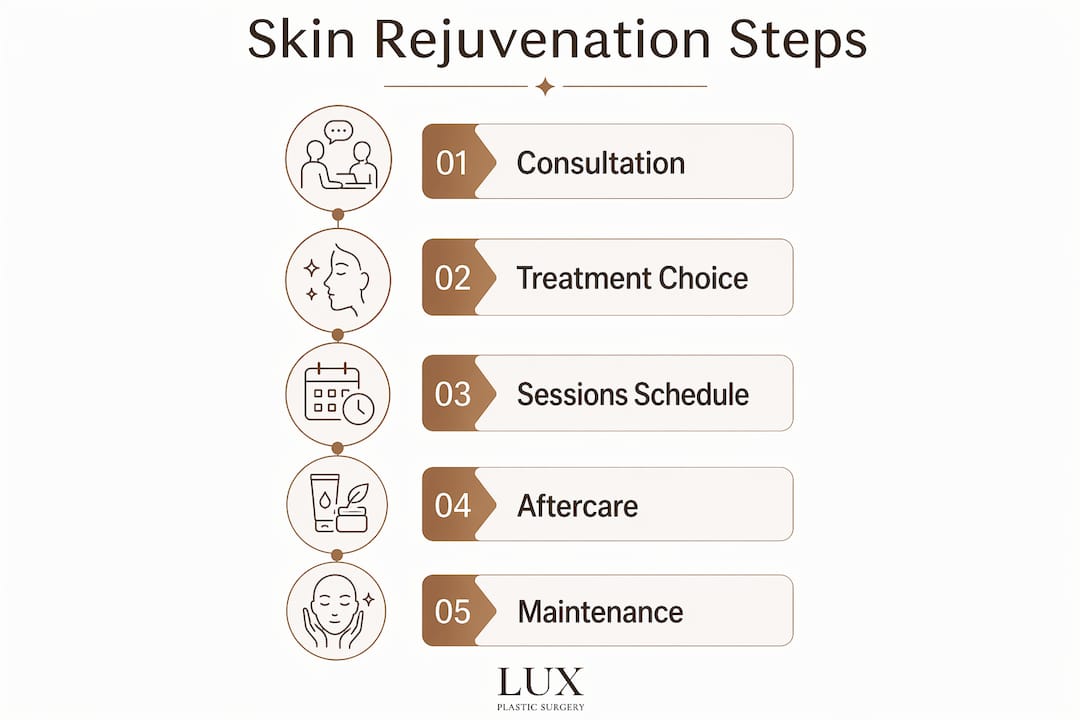
Selecting the right approach to rejuvenating your skin requires more than browsing a treatment menu. The most effective starting point is an honest assessment of your primary concern, your skin type, and your tolerance for recovery time.
Skin type matters significantly. Fitzpatrick skin types IV to VI carry a higher risk of post-inflammatory hyperpigmentation with aggressive laser or microneedling settings. A qualified clinician will adjust parameters accordingly, but this is a conversation you need to have before booking any procedure. If a clinic does not ask about your skin type and history during a consultation, that is a warning sign.
Age and skin laxity also shape the decision. Patients in their late twenties to mid-thirties with early texture concerns respond well to microneedling or light chemical peels. Those in their forties and fifties dealing with more pronounced laxity or deep pigmentation typically benefit from RF microneedling or fractional laser, sometimes combined with non-surgical aesthetic treatments such as injectables to address volume loss alongside surface quality.
Combining treatments is increasingly standard practice in aesthetic medicine. A course of RF microneedling for tightening, followed by a series of chemical peels for pigmentation, addresses multiple concerns without the recovery associated with surgical options. The key is sequencing these correctly, with adequate intervals for healing and collagen remodelling between sessions.
Skin rejuvenation is best understood as a process combining clinical procedures with long-term skin-care routines. No single session produces permanent results, and marketing uses the term broadly. Aligning your expectations to what each specific treatment can realistically affect is the most protective thing you can do before spending money or time on any procedure.
Key takeaways
Skin rejuvenation produces measurable improvements in texture, tone, and firmness by stimulating collagen and elastin production through clinical procedures, but results depend on the right treatment choice, realistic timelines, and consistent post-treatment photoprotection.
| Point | Details |
|---|---|
| Definition and mechanism | Skin rejuvenation stimulates collagen and elastin to improve texture, tone, and firmness at a structural level. |
| Treatment variety | Laser therapy, microneedling, RF microneedling, and chemical peels each target different skin concerns and depths. |
| Results take time | Visible improvements typically appear 6 to 16 weeks post-treatment, reflecting the pace of collagen remodelling. |
| Sun protection is non-negotiable | Broad-spectrum SPF 30 or higher daily is the single most effective way to preserve treatment results long-term. |
| Consultation is the first step | Skin type, age, and specific concerns must guide treatment selection to minimise risk and maximise outcomes. |
What I have learned from watching patients approach skin rejuvenation
The most consistent pattern I see is patients arriving with a treatment in mind rather than a goal. Someone reads about RF microneedling, decides that is what they want, and books a session without considering whether their primary concern, say, surface pigmentation from sun damage, is even the right target for that modality. The result is not necessarily harm, but it is often disappointment.
The clinical reality of skin rejuvenation is that overly aggressive energy delivery in radiofrequency microneedling can actually reduce effectiveness rather than improve it. More is not always better, and this principle applies across every treatment category. The clinicians who achieve the best outcomes are those who start conservatively, assess the response, and build intensity over a planned series of sessions.
What I find most underappreciated is the role of patience. Collagen remodelling is a biological process that operates on its own schedule. A patient who judges their laser results at three weeks and concludes nothing happened may be looking at skin that is still mid-process. The 94.4% satisfaction rate in the 2026 Nd:YAG study was measured at three months, not three weeks. That distinction matters enormously.
My honest advice: treat photoprotection as seriously as the procedure itself. The treatments create an opportunity for better skin. UV exposure closes that opportunity faster than most people realise. Combining a well-chosen clinical protocol with daily SPF and a simple home-care routine is not the glamorous part of skin rejuvenation, but it is where the lasting results actually come from.
— Lux
Ready to explore your skin rejuvenation options with Lux Plastic Surgery?
At Lux Plastic Surgery, Professor Sandip Hindocha and the clinical team offer a range of non-surgical and advanced skin rejuvenation procedures tailored to your skin type, concerns, and goals. Whether you are considering your first treatment or looking to build on previous results, every consultation begins with an honest assessment of what is achievable for your skin specifically.

Before booking any cosmetic procedure, understanding the process and the risks is the most important step you can take. The safe cosmetic surgery guide from Lux Plastic Surgery walks you through how to evaluate treatments, assess clinician qualifications, and make risk-aware decisions. For a full overview of available procedures, visit the Lux Plastic Surgery services page or book a consultation directly to discuss your options with a qualified specialist.
FAQ
What is skin rejuvenation in simple terms?
Skin rejuvenation refers to clinical and cosmetic treatments that improve the appearance and quality of skin by stimulating collagen production, reducing pigmentation, and smoothing texture. The term covers a wide range of procedures from laser therapy and microneedling to chemical peels and radiofrequency treatments.
How many sessions are needed to see results?
Most skin rejuvenation treatments require between three and six sessions to produce visible improvements, with results typically becoming apparent six to sixteen weeks after treatment begins. Collagen remodelling is a gradual biological process, so results accumulate over time rather than appearing immediately after a single session.
Is non-surgical skin rejuvenation safe for all skin types?
Non-surgical skin rejuvenation is generally safe across skin types when treatment parameters are correctly adjusted for Fitzpatrick skin type. Darker skin tones carry a higher risk of post-inflammatory hyperpigmentation with certain laser and microneedling settings, making a thorough consultation with a qualified clinician a prerequisite.
What is the most effective at-home skin rejuvenation step?
Daily application of broad-spectrum SPF 30 or higher is the single most effective at-home measure for maintaining skin quality and preserving the results of clinical treatments. UV exposure accelerates collagen breakdown and directly undermines the structural improvements achieved through professional procedures.
How long do skin rejuvenation results last?
Results from treatments such as fractional laser or RF microneedling typically last between one and three years depending on the procedure, the number of sessions completed, and the consistency of post-treatment sun protection and home care. Maintenance sessions and daily photoprotection extend results significantly.