Recovering from plastic surgery is rarely as straightforward as the leaflet handed to you on discharge day suggests. Most patients receive a brief list of instructions and are sent home to figure out the rest. Yet the difference between a smooth recovery and a frustrating one often comes down to the details: what you eat, how you move, when you rest, and how closely you follow your surgeon’s guidance. This guide pulls together practical, evidence-backed recovery tips to help you minimise pain, reduce swelling, and give your results the best possible chance of looking exactly as you hoped.
Key Takeaways
| Point | Details |
|---|---|
| Follow expert aftercare | Strictly following your surgeon’s instructions minimises complications and speeds up recovery. |
| Balance rest and activity | Rest is crucial at first but gentle walking and movement prevent blood clots and aid healing. |
| Optimise diet and hydration | Eating protein-rich, vitamin-rich foods and staying hydrated accelerates tissue repair and reduces inflammation. |
| Watch for infection | Keep wounds clean and alert for signs of redness, swelling, or discharge to catch complications early. |
| Commit to long-term habits | Avoid smoking and attend all follow-ups for the best possible surgical outcome over months and years. |
Follow your surgeon’s aftercare instructions precisely
No single habit matters more in the early days than following your surgeon’s specific aftercare plan. Every procedure is different, and the instructions you receive are tailored to your operation, your body, and your risk profile. Generic advice found online simply cannot replace that. Aftercare compliance directly reduces your risk of infection, supports faster healing, and improves your overall outcome.
Your aftercare plan will typically cover several key areas:
- Wound care: How to clean the area, which products to use, and when to change dressings
- Compression garments: When to wear them, for how long, and how to care for them
- Activity restrictions: What movements to avoid and for how long
- Medication schedule: Prescribed pain relief, antibiotics, and what to avoid
- Warning signs: What symptoms should prompt an urgent call to your clinic
For larger procedures such as abdominoplasty or post-weight loss body contouring, adherence to these instructions is even more critical. The recovery window is longer, the tissues are under more stress, and the margin for error is smaller. Even seemingly minor lapses, like lifting something heavier than advised, can strain healing tissue and cause setbacks.
Before you go into surgery, it helps to understand what good aftercare looks like. Reading up on plastic surgery basics and choosing a plastic surgeon with a strong aftercare protocol will set you up well. The body contouring recovery guide from BAPRAS is also a reliable reference point.
Pro Tip: Create a simple daily checklist or recovery diary. Log your wound appearance, medication times, garment wear, and any symptoms. This keeps you consistent and gives your surgeon useful information at follow-up appointments.
Now that you understand the importance of expert guidance, let’s move to mobility and activity management.
Prioritise rest and gentle movement
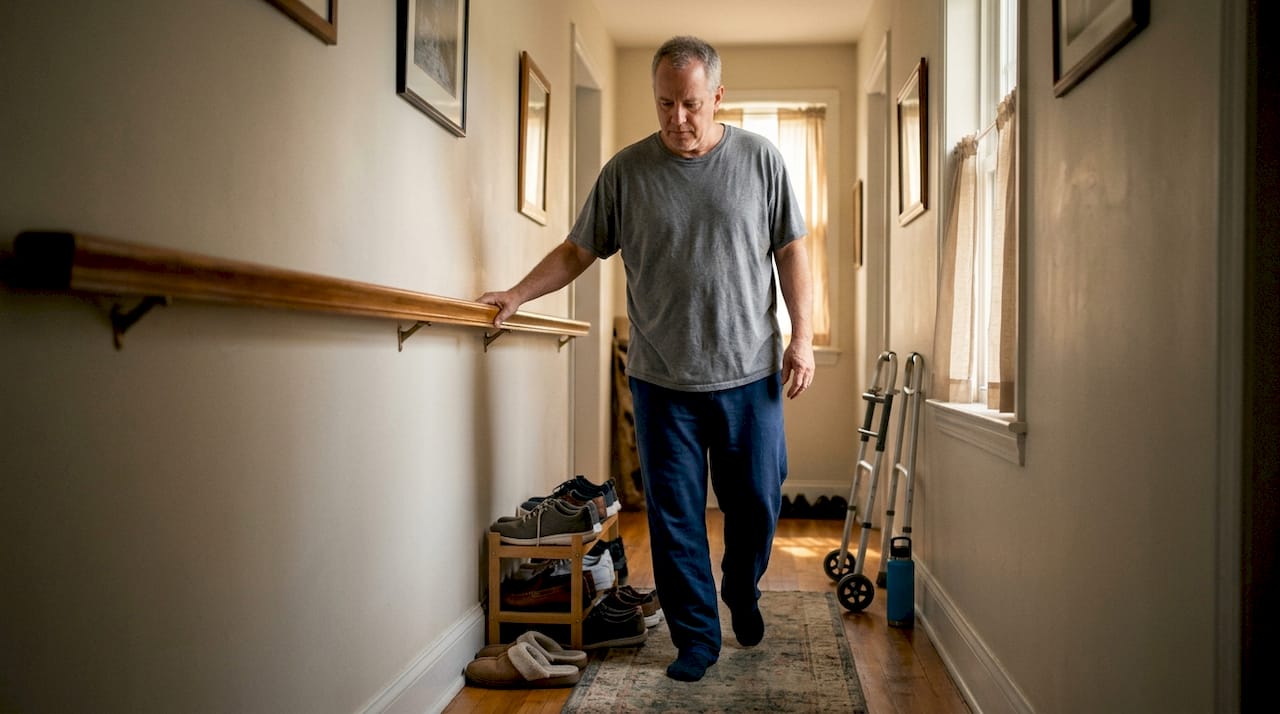
Rest is non-negotiable in the first week after surgery. Your body is directing enormous energy towards healing, and pushing yourself too hard too soon can delay that process significantly. However, complete immobility carries its own risks. Finding the right balance is essential.
Here is a practical guide to activity in the weeks following surgery:
- Days 1 to 3: Stay in bed or on the sofa for most of the day. Short, slow walks around the house every few hours are encouraged.
- Days 4 to 7: Increase gentle walking gradually. Avoid stairs where possible and do not carry anything heavy.
- Weeks 2 to 4: Most patients can return to light desk work. No driving for at least two weeks after general anaesthetic.
- Weeks 4 to 6: Light activity such as short outdoor walks is usually acceptable, but no gym, running, or heavy lifting.
- Beyond 6 weeks: Return to exercise should be gradual and guided by your surgeon’s specific clearance.
The reason early walking matters is circulation. Gentle early mobility prevents blood clots from forming in the legs, a condition known as deep vein thrombosis (DVT). This is a serious risk after any surgical procedure that requires reduced movement.
Patient compliance with post-operative instructions, including activity recommendations, is linked to measurably better surgical outcomes. Studies suggest 83% compliance improves outcomes significantly compared to those who disregard guidance. Smokers, those with a higher BMI, and patients who have undergone major weight loss procedures face additional risks and may need to be more cautious with activity timelines.
With rest and movement addressed, supporting your body internally becomes the next priority.
Eat and hydrate for optimal healing
What you put into your body after surgery has a direct impact on how quickly and effectively you heal. Tissue repair is a biological process that depends on the right building blocks being available. Skipping meals or eating poorly because you feel unwell or tired is one of the most common and costly mistakes patients make.
Here is a summary of the most important nutritional priorities:
| Nutrient | Why it matters | Good sources |
|---|---|---|
| Protein | Rebuilds tissue and supports immune function | Chicken, fish, eggs, lentils |
| Vitamin C | Collagen synthesis and wound healing | Citrus fruits, peppers, broccoli |
| Zinc | Cell repair and immune response | Pumpkin seeds, meat, chickpeas |
| Iron | Oxygen transport and energy | Red meat, spinach, fortified cereals |
| Water | Reduces swelling, supports cellular repair | Still water, herbal teas |
The OUH wound care guidance recommends maintaining protein-rich nutrition alongside adequate hydration to reduce inflammation and support tissue repair. Aim for at least 1.5 to 2 litres of water daily, more if you are taking medications that can be dehydrating.
Foods to limit during recovery include:
- Salt: Increases fluid retention and worsens swelling
- Sugar: Promotes inflammation and slows immune response
- Alcohol: Interferes with medications and delays healing
- Processed foods: Low in nutrients and high in inflammatory compounds
The NHS nutrition guidelines reinforce a balanced, whole-food approach throughout the recovery period.
Pro Tip: Prepare a week’s worth of easy, nutritious meals before your surgery date. Batch-cook soups, stews, and protein-rich snacks. Ask a family member or friend to help with shopping and cooking in the first week. Hunger combined with fatigue is a recipe for poor food choices.
After nutrition, effective symptom management becomes the focus.
Manage swelling, bruising and wound care
Swelling and bruising are a normal part of healing. They are your body’s inflammatory response to tissue trauma, and they will subside. The key is managing them effectively so they do not become excessive or mask signs of a problem.
In the first 48 hours, swelling is at its peak. Elevation and cold compresses are your best tools during this period. For facial procedures, keep your head elevated above your heart, even during sleep. For body procedures, prop up the affected area with pillows.
| Symptom | First 48 hours | Days 3 to 14 |
|---|---|---|
| Swelling | Cold compress, elevation | Compression garment, gentle movement |
| Bruising | Rest, avoid aspirin | Arnica gel (if approved by surgeon) |
| Pain | Paracetamol as prescribed | Reduce activity if pain increases |
| Wound site | Keep dry, no shower for 48h | Gentle cleanse, pat dry, redress |
For wound care, the Royal Berkshire NHS guidance advises keeping the wound clean and dry for the first 48 hours, then showering carefully. Watch closely for signs of infection. Our surgical wound guidance explains what normal healing looks like versus what warrants concern.
Signs of infection to watch for:
- Increasing redness spreading from the wound
- Warmth or hardness around the site
- Yellow or green discharge
- Fever above 38°C
- Pain that worsens rather than improves
‘Swift action at signs of infection is vital. Call your clinic immediately. Do not wait and hope it resolves on its own.’
For pain management, paracetamol is generally safe and effective. Avoid aspirin and ibuprofen unless your surgeon has specifically approved them, as both can increase bleeding risk. The NHS wound care tips offer further guidance on managing discomfort safely at home.
Having mastered symptom control, consider long-term recovery strategies and complication prevention.
Long-term recovery: habits and follow-ups
The weeks and months after surgery are where lasting results are shaped. Many patients focus intensely on the first two weeks and then relax their habits too quickly. The truth is that healing continues for far longer than most people expect.
Key recovery milestones to plan around:
- 1 to 2 weeks: Return to light desk-based work; avoid driving and heavy lifting
- 4 to 6 weeks: Resume gentle exercise with surgeon’s approval
- 3 to 6 months: Swelling substantially reduced; results begin to look more settled
- 6 to 12 months: Full results visible for most procedures
- 12 to 18 months: Scars mature and fade to their final appearance
Smoking is one of the single biggest threats to a good recovery. It constricts blood vessels, reduces oxygen delivery to healing tissue, and dramatically increases the risk of wound breakdown. The OUH guidance is clear: quitting smoking before and after surgery is essential, not optional. The same applies to alcohol and excessive sun exposure on healing scars.
Regular follow-up appointments are not just administrative. They allow your surgeon to catch complications early, including DVT, infection, or poor wound healing. The NHS recovery guidance advises attending all follow-ups and seeking prompt help for any DVT warning signs such as leg swelling, calf pain, or breathlessness.
Patients who have undergone significant weight loss before surgery, such as those exploring post-weight loss body contouring, may face additional challenges with skin healing and will benefit from even closer monitoring.
With the core recovery tips covered, let’s examine practical lessons and overlooked nuances from expert experience.
A practical perspective on plastic surgery recovery: what experts notice and patients miss
One thing we observe consistently at Lux Plastic Surgery is that patients underestimate the emotional side of recovery. The physical discomfort is expected. The mood swings, frustration, and periods of doubt are not. Tiredness can make small setbacks feel enormous, and the slow pace of visible change can test even the most patient person. This is entirely normal, and recognising it early helps enormously.
Patients who have smoked, undergone major weight loss, or are having larger combined procedures face genuinely different challenges. Their recovery is not simply a longer version of the standard path. It requires stricter habits, more support, and a willingness to adapt if things do not progress as expected.
The most important insight we can offer is this: no single tip outweighs consistent, patient compliance. The people who achieve the best results are not those who found a shortcut. They are those who listened carefully, adjusted when needed, and kept going. Understanding how to evaluate plastic surgery options safely before you even reach the operating table is part of that same discipline.
Explore tailored recovery solutions and guidance
Recovery is not one-size-fits-all, and neither is the support available to you. At Lux Plastic Surgery, Professor Sandip Hindocha and the team provide personalised aftercare guidance designed around your specific procedure, lifestyle, and goals.

Whether you are considering body contouring recovery support, want to revisit the plastic surgery fundamentals before your procedure, or are ready to explore the full range of treatments available, the Lux Plastic Surgery website is a strong starting point. Browse our educational resources, read patient experiences, and book a consultation to discuss your recovery plan with an expert who understands your individual needs.
FAQ
How long does recovery take after plastic surgery?
Most patients return to light work after 1 to 2 weeks and strenuous activity after 4 to 6 weeks, though full results can take up to 12 months to appear.
What foods help speed up surgical healing?
Lean protein, vitamin C, zinc, and adequate hydration are the most important nutritional priorities for tissue repair and reducing post-operative inflammation.
Which signs of infection should I watch for after surgery?
Contact your clinic immediately if you notice redness spreading from the wound, discharge, fever, or pain that worsens rather than improves after the first few days.
Why should I avoid smoking and alcohol during recovery?
Both impair circulation and tissue repair. Quitting smoking before and after surgery is one of the most effective steps you can take to improve your healing outcome.
What is the risk of blood clots after surgery?
DVT is a serious post-operative risk. Early gentle walking and attending all follow-up appointments significantly reduce your chances of developing a clot.