Recovery after cosmetic surgery is rarely as quick or simple as many people assume. The idea that you can be back to normal within a few days is one of the most persistent myths in aesthetic medicine, and believing it can lead to real setbacks.
Post-operative care covers everything from wound management and rest to compression garments and dietary support, all of which directly influence your final results. This guide walks you through realistic timelines, essential aftercare steps, common complications to watch for, and the emotional side of healing, so you can approach your recovery with confidence and clarity.
Key Takeaways
| Point | Details |
|---|---|
| Know your healing stages | Recovery follows key phases from rest to gentle activity, and lasting results often take months. |
| Follow aftercare advice | Stick closely to your surgeon’s instructions to minimise risks and support better healing. |
| Spot warning signs early | Recognise symptoms needing urgent attention, such as infection or blood clots, for safer recovery. |
| Mind your mental health | Emotional recovery may be uneven—manage expectations and seek support if struggling. |
Setting realistic expectations: typical recovery timelines and stages
One of the first things to understand is that recovery is not a single event. It unfolds in distinct phases, and each one demands something different from you. Before you even think about evaluating your surgery options, knowing what the healing journey looks like is essential.
The general pattern across most cosmetic procedures follows a predictable arc. Recovery timelines vary by procedure: the first 24 to 48 hours require intensive rest; light activities and desk-based work are typically possible within one to two weeks; normal daily activities resume around two to four weeks; strenuous exercise is usually restricted for four to six weeks; and full, visible results can take several months to emerge.
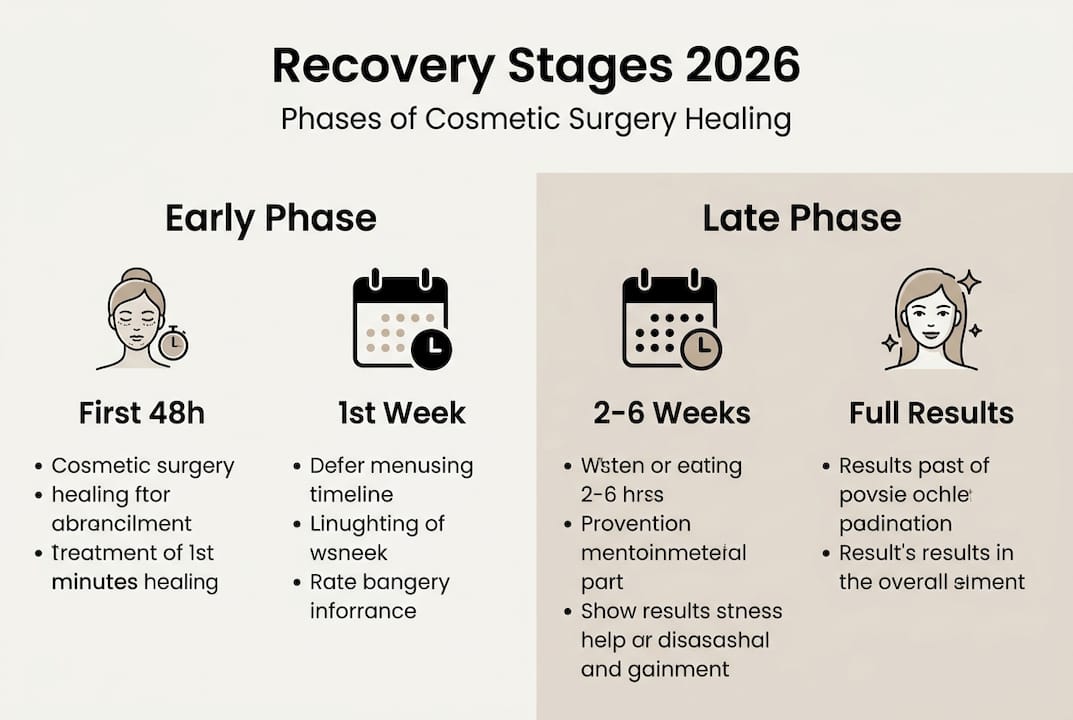
Here is a simplified overview of what to expect at each stage:
| Stage | Timeframe | What to expect |
|---|---|---|
| Immediate post-op | 0 to 48 hours | Rest, pain management, wound monitoring |
| Early recovery | 1 to 2 weeks | Swelling peaks, light movement begins |
| Mid recovery | 2 to 6 weeks | Gradual return to routine, scar formation |
| Late recovery | 2 to 12 months | Final results emerge, scars mature |
Procedures like facelifts, breast reductions, and post-weight loss body contouring each carry their own specific milestones. Body contouring, for instance, often involves longer swelling periods and more complex wound care than facial procedures.
Factors that influence your personal timeline include:
- Your overall health and immune function
- Whether you smoke or have recently quit
- The extent and complexity of the procedure
- Your age and skin quality
- How closely you follow post-operative instructions
Pro Tip: Do not use another person’s recovery as your benchmark. Two patients undergoing the same procedure with the same surgeon can have timelines that differ by weeks, purely due to individual biology and lifestyle.
Essentials of post-operative care: what helps you heal best
Understanding the timeline is only half the picture. Practical, everyday care makes all the difference in recovery quality. The steps you take at home in the days and weeks after surgery have a direct impact on how well your results turn out.
Following your surgeon’s specific instructions is non-negotiable. These are not generic guidelines; they are tailored to your procedure, your anatomy, and the techniques used. Deviating from them, even with good intentions, can introduce unnecessary risk.
Core principles of good post-operative care include:
- Rest and elevation: Keeping the operated area elevated reduces swelling and improves circulation. After breast surgery, sleeping propped up is often advised for the first week.
- Wound care: Keep incisions clean and dry. Change dressings exactly as instructed, and never pick at healing skin or scabs.
- Compression garments: After body procedures, these reduce swelling, support tissues, and help skin conform to its new contour. Wearing them consistently matters.
- Hydration and nutrition: Protein supports tissue repair; vitamins C and zinc support collagen production. Staying well-hydrated helps every system function better.
- Gentle early movement: Short, slow walks from day one or two help prevent blood clots without stressing the surgical site.
“Early gentle movement, adequate hydration, and strict adherence to wound care instructions are among the most effective tools for reducing post-operative complications.” NHS guidance on surgical recovery
Smoking is one of the most damaging things you can do during recovery. It constricts blood vessels, reduces oxygen delivery to healing tissue, and significantly increases infection risk. If you smoke, stopping well before surgery and remaining smoke-free throughout recovery is strongly advised.
Certain medications, including ibuprofen and aspirin, can thin the blood and increase bleeding risk. Always confirm with your surgeon which medications are safe to take. For longer-term healing, exploring dedicated scar healing tips can help you manage and minimise visible scarring as your skin matures.
Pro Tip: Photograph your wounds daily during the first two weeks. It helps you spot gradual changes that might indicate infection before they become serious.
Common complications and how to respond safely
Caring well for yourself reduces risk, but it is vital to know which warning signs mean you need professional input. No amount of good aftercare eliminates all risk, and recognising problems early is one of the most important skills you can develop.
Common complications include swelling and bruising that peaks around 48 hours and gradually resolves over weeks, infection characterised by redness and discharge, haematoma (a collection of blood under the skin), seroma (fluid accumulation), deep vein thrombosis (DVT), and delayed wound healing. In procedures like body contouring, minor complications affect up to 50% of patients.
Here is a quick comparison of normal versus concerning signs:
| Symptom | Normal | Concerning |
|---|---|---|
| Swelling | Peaks at 48 hours, slowly reduces | Worsening after day three |
| Bruising | Fades over 1 to 2 weeks | Spreading or hardening |
| Redness | Mild around incision | Hot, spreading, with fever |
| Wound | Slightly moist initially | Pus, foul odour, opening |
| Leg discomfort | Mild aching | Swelling, warmth, pain in calf |
Symptoms that require urgent medical attention include:
- Fever above 38°C
- Pus or unusual discharge from a wound
- Rapidly spreading redness or warmth
- Sudden chest pain or shortness of breath
- Leg swelling, pain, or redness (possible DVT)
DVT is rare but serious. It occurs when a blood clot forms in a deep vein, usually in the leg. Early mobility after surgery is one of the most effective preventive measures. If you notice leg swelling or pain, contact your surgical team or go to A&E without delay.
Certain groups face higher complication rates, including smokers, those on hormone replacement therapy (HRT), and patients undergoing extensive or combined procedures. Understanding the full picture of risks and complications before your procedure helps you prepare mentally and practically. For those managing scarring after complications, specialist scar treatments can make a meaningful difference.
Physical and emotional recovery: what research reveals
Beyond the bodily changes, recovery often affects mind and mood as much as muscles and skin. The physical and emotional sides of healing do not always move in sync, and understanding this can prevent a lot of unnecessary distress.
Physical healing and visible results are two different things. Swelling can mask your final outcome for months. Many patients feel discouraged at six weeks when results still look imperfect, not realising that the real transformation is still unfolding beneath the surface.
Research offers some important context. A UK study of 338 women undergoing implant-based breast reconstruction found significant decreases in physical and sexual well-being at three and eighteen months post-operatively. However, two thirds of participants rated their outcomes as excellent or very good at eighteen months. Complications and implant loss were strongly associated with poorer satisfaction scores.
On the emotional side, a review of psychosocial outcomes after cosmetic surgery found short-term improvements in body satisfaction and self-esteem, but the evidence for long-term mental health benefits was weak and inconclusive, with conflicting findings across studies.
What this means practically:
- Short-term emotional dips are common and do not predict your final experience
- Body satisfaction tends to improve over time for most patients
- Complications significantly affect mood, so minimising risk through good aftercare matters emotionally too
- Ongoing support from your surgical team, friends, or a counsellor can help during difficult patches
- Realistic expectations set before surgery are the strongest predictor of satisfaction afterwards
For those exploring the connection between physical change and body confidence after surgery, it helps to understand that the emotional journey is rarely linear. Patience with yourself is part of the recovery process.
Why every recovery is different: lessons overlooked in cosmetic surgery advice
With a thorough understanding of the science and evidence, it is worth reflecting on why your journey may look quite different from anyone else’s. Most recovery guides present timelines as if they were train schedules. They are not.
Healing rates and satisfaction levels differ enormously between patients, even when the procedure and surgeon are identical. Factors like your baseline health, whether you smoke, your stress levels, your support network at home, and the specific surgical technique used all shape the outcome in ways that no generic guide can fully account for.
We see this regularly. A patient who quits smoking three months before surgery and follows every post-operative instruction often heals visibly faster than one who stopped a week before and returns to old habits after discharge. Minor complications, even ones that resolve fully, can extend timelines by weeks and create emotional setbacks that were never anticipated.
The most valuable thing you can do is communicate openly with your surgical team throughout the process. Rather than comparing your progress with someone else’s, focus on the specific markers your surgeon has outlined for your procedure. Personalised surgical care exists precisely because individuality matters more than averages.
Your next step: specialist support for confident recovery
Recovery is not something you should navigate alone or with only general information to guide you. The detail that matters most is always specific to your procedure, your body, and your goals.

At Lux Plastic Surgery, Professor Sandip Hindocha and our clinical team provide thorough aftercare guidance tailored to each patient’s individual needs. Whether you want to explore our full range of plastic surgery services or need specific scar treatment advice as part of your recovery plan, we are here to help. Booking a consultation means your recovery strategy is built around you, not a generic template. Reach out today to take the next step with a team that understands the full picture of cosmetic surgery care.
FAQ
How long does it usually take to recover from cosmetic surgery?
Most people return to light activities within one to two weeks, resume normal routines by three to six weeks, and see full results after months depending on the procedure.
What should I avoid after surgery to promote healing?
Avoid smoking, vigorous exercise, and getting wounds wet in the early stages; always follow your surgeon’s specific guidance on activity and wound care.
How can I tell if my recovery is not going well?
Symptoms such as persistent redness, pus, fever above 38°C, or leg swelling should prompt urgent medical contact without delay.
Are there emotional effects after cosmetic surgery?
Many people feel more satisfied with their appearance after surgery, but long-term mental health evidence is mixed and short-term emotional dips are common during healing.