Visible scars from surgery, acne, or injury can quietly chip away at your confidence, affecting how you dress, move, and feel in your own skin. The frustrating part is not the scar itself but the noise surrounding it: endless creams, viral remedies, and bold promises that rarely hold up. As the NHS confirms, keloid and hypertrophic scars cannot be completely removed, but they can be meaningfully improved with the right treatments. This guide cuts through the confusion and gives you a practical, evidence-based roadmap for managing scars in the UK, from your first steps at home to specialist clinical options.
Key Takeaways
| Point | Details |
|---|---|
| No remarkable cure | Complete scar removal isn’t possible, but evidence-based treatments offer real improvement. |
| Preparation matters | Starting gentle care, massage, and sun protection early paves the way for better results. |
| Expert guidance needed | Matching your scar type with the right treatment improves safety and outcomes. |
| Tailored solutions | Different skins and scar types require modified approaches for best results. |
| Stay realistic | Aim for visible softening and fading, not total erasure. |
Assessing your scar and setting realistic expectations
Before spending a penny on any product or procedure, you need to know what kind of scar you are dealing with. Scar tissue is not one-size-fits-all, and the wrong treatment for the wrong scar type can make things worse.
Here are the four main scar types you are likely to encounter:
- Hypertrophic scars: Raised, red, and firm but confined to the original wound boundary. Common after surgery or burns.
- Keloid scars: Raised and extending beyond the wound edges, sometimes growing for months or years. More common in people with darker skin tones.
- Atrophic scars: Sunken or pitted, typically left behind by acne or chickenpox.
- Contracture scars: Tight, pulling scars often caused by burns, which can restrict movement.
Your personal risk profile matters just as much as the scar itself. Risk factors for keloids include ethnic background, age (most common between 10 and 30), a personal or family history of keloids, and the location of the wound (chest, shoulders, and earlobes are high-risk zones). If any of these apply to you, your treatment plan needs to account for a higher chance of recurrence or worsening.
| Scar type | Appearance | Common cause | Treatment priority |
|---|---|---|---|
| Hypertrophic | Raised, red, within wound | Surgery, burns | Silicone, steroids, laser |
| Keloid | Raised, beyond wound edge | Piercings, surgery | Steroids, cryotherapy |
| Atrophic | Pitted, sunken | Acne, chickenpox | Microneedling, laser |
| Contracture | Tight, restricting | Burns | Surgery, physiotherapy |
Setting realistic expectations is not pessimism. It is strategy. Improvement of 50 to 80 per cent in appearance and texture is genuinely achievable for many people, but if a product or clinic promises complete erasure, walk away. Explore scar treatments explained for a clearer picture of what outcomes actually look like.
Pro Tip: Book a professional assessment before committing to any cosmetic procedure. A specialist can confirm your scar type, assess your risk factors, and recommend the most appropriate starting point for your specific situation.
Essential preparation before starting scar treatment
Once you know your scar type and personal risk factors, the next step is preparing properly. Many people skip this phase and jump straight to active treatments, which is one of the most common reasons results disappoint.
The foundation of good scar care begins the moment your wound is fully closed. Scar massage and sun protection are the two most important early steps after wound closure, and both are free or low cost. Massage helps break down the collagen fibres forming beneath the skin, keeping the scar softer and more pliable. Sun exposure, on the other hand, can permanently darken a scar, so SPF 30 or higher applied daily for at least 12 months is non-negotiable.
Here is a preparation checklist to get you started:
- Confirm the wound is fully closed with no open areas or signs of infection.
- Source a fragrance-free moisturiser suitable for healing skin. Look at aftercare moisturisers designed for post-procedure use.
- Begin gentle circular massage for two to three minutes, two to three times daily.
- Apply a broad-spectrum SPF every morning, even on overcast days.
- Take a dated photograph of your scar each week to track progress objectively.
- Check with your surgeon or GP before starting any topical product if the wound is recent.
If your scar is still inflamed, weeping, or shows any signs of infection, delay active treatment until the skin has fully settled. Starting too early can disrupt healing and worsen the final result. For more on safe recovery, scar recovery tips offer practical guidance on pacing your care.
| Preparation step | When to start | Frequency |
|---|---|---|
| Gentle massage | After wound closure | 2 to 3 times daily |
| Moisturiser | After wound closure | Daily |
| SPF protection | As soon as possible | Every morning |
| Progress photos | Week 1 onwards | Weekly |
Pro Tip: Use your phone camera consistently, same lighting and same angle each time. Subtle improvements are easy to miss day to day but become obvious when you compare photos taken four weeks apart.
Step-by-step treatments: evidence-backed options
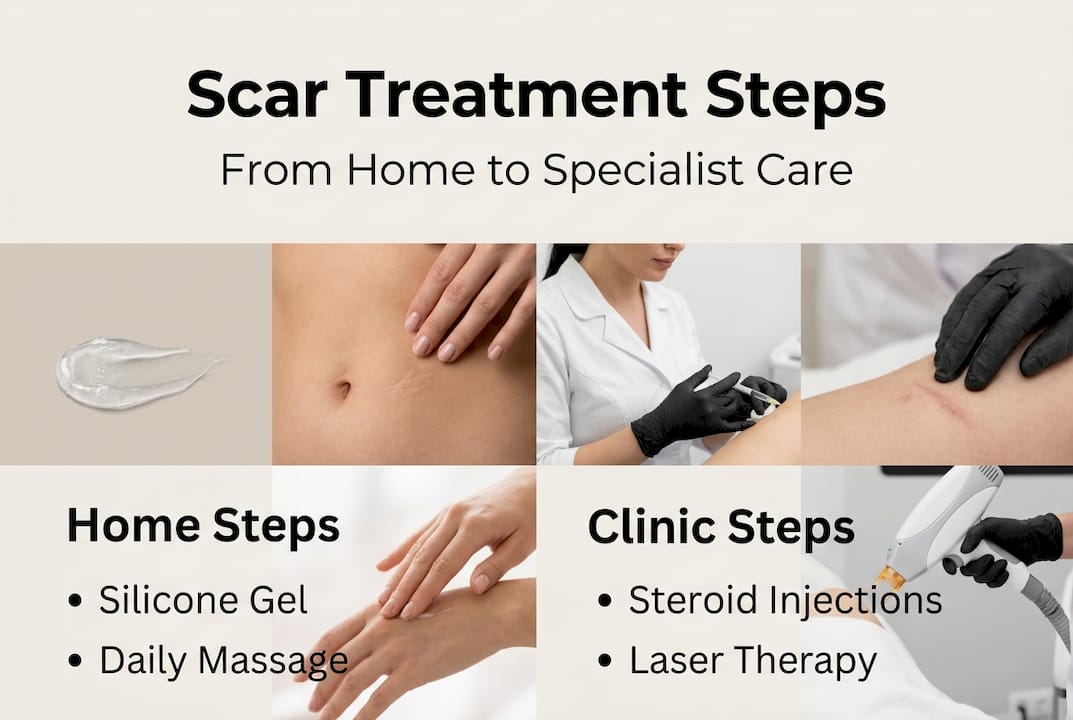
With preparation in place, you are ready to move through the treatment ladder from accessible home options through to clinical interventions.
Step 1: Silicone gel or sheets
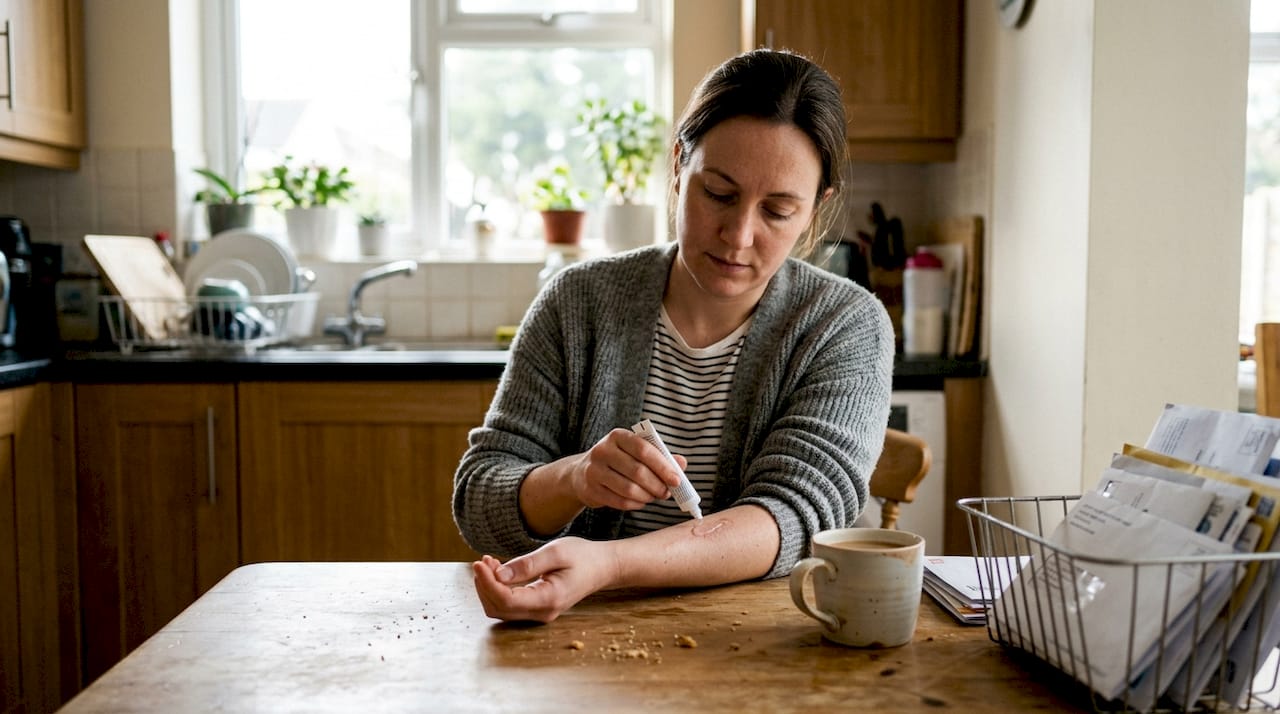
Silicone dressings and gels are the first-line treatment for raised scars, backed by strong clinical evidence. They work by hydrating the scar tissue and regulating collagen production. Wear silicone sheets for 12 or more hours per day for at least three months to see meaningful results.
Step 2: Consistent massage and SPF
Continue daily massage and sun protection throughout any treatment phase. These are not optional extras but active components of your care.
Step 3: Steroid injections
Steroid injections can soften and flatten keloid and hypertrophic scars effectively. Administered by a clinician, usually every four to six weeks, they reduce inflammation and slow collagen overproduction. Side effects can include skin thinning or lightening around the injection site.
Step 4: Laser therapy
For hypertrophic scars, laser therapy can offer 60 to 85 per cent improvement in texture and redness. Pulsed dye laser is particularly effective for vascular scars. Learn more about laser skin resurfacing and what to expect from the process.
Step 5: Surgical revision
Surgery is not always the answer, but for contracture scars or those causing functional problems, scar revision surgery can reposition or release the scar tissue. It is typically considered after other treatments have been exhausted.
Pro Tip: Combining treatments often delivers better results than any single approach. Silicone gel used alongside steroid injections, or laser therapy followed by silicone maintenance, can significantly outperform either treatment used alone.
Key stat: Clinical trials show laser therapy achieves 60 to 85 per cent improvement in hypertrophic scar appearance, but results vary by scar age, skin type, and treatment consistency.
Special considerations: acne scars, dark skin, and high-risk cases
Not all scars respond to the same approach, and certain groups need a more tailored strategy to avoid making things worse.
Atrophic acne scars are fundamentally different from raised scars. Because they involve a loss of tissue rather than excess, treatments like microneedling, chemical peels, and fractional laser are used to stimulate collagen and rebuild the skin’s surface. Early acne treatment is the best prevention for atrophic scarring, but once scars are established, specialist input makes a real difference. These treatments are rarely funded by the NHS, so private routes are usually necessary. Explore acne scar revision options to understand what is available.
People with darker skin tones face a genuinely higher risk of keloid formation and post-inflammatory hyperpigmentation (darkening after injury or treatment). This means:
- Avoid unnecessary trauma such as cosmetic piercings or tattooing in high-risk areas.
- Be especially cautious with aggressive laser settings or chemical peels without specialist oversight.
- Silicone gel and conservative steroid injections are generally the safest starting points.
- Always disclose your skin tone and family history to any clinician before treatment.
Pregnancy and age also influence scar behaviour. Younger skin heals faster but is also more prone to keloid formation. Hormonal changes during pregnancy can cause scars to thicken or darken, so active treatment is usually paused until after delivery.
“The most common mistake people make is reaching for home remedies like lemon juice, baking soda, or unverified oils. These can irritate the skin, disrupt healing, and in some cases cause chemical burns or hyperpigmentation that is harder to treat than the original scar.”
If you are in a high-risk category, the safest path is always a specialist assessment before starting any treatment, home-based or clinical.
Why ‘remarkable cures’ fail but evidence-based routines deliver real change
Here is something the wellness industry does not want you to hear: no credible treatment, whether NHS or private, promises complete scar removal. Even dramatic-sounding private treatments rarely promise more than 40 to 80 per cent improvement, and that is the honest ceiling. The products claiming otherwise are selling hope, not outcomes.
What we see consistently at Lux Plastic Surgery is that patients who commit to a structured, evidence-based routine over three to six months achieve far more meaningful results than those chasing the latest viral remedy. Patience is not passive. It is the active ingredient.
Laser and steroid therapies are genuinely effective, but relapse is always possible, particularly with keloids. Maintenance matters. The patients who do best are those who treat scar management as an ongoing practice rather than a one-time fix. For a clear look at what real objective outcomes data looks like, the evidence is more encouraging than many expect, as long as expectations are grounded in reality.
Find expert support for scar treatment in the UK
Managing a scar on your own can only take you so far. When home treatments plateau or your scar is complex, specialist input changes the outcome.

At Lux Plastic Surgery, Professor Sandip Hindocha and his team offer personalised consultations to assess your scar, discuss your history, and recommend the most appropriate clinical pathway. Whether that means laser resurfacing, surgical revision, or a carefully staged combination approach, every plan is built around your skin, not a generic protocol. Explore advanced scar options or read up on the basics of plastic surgery to feel informed before your first consultation. Taking that step is not vanity. It is investing in how you feel every day.
FAQ
Can scars ever be completely removed?
Keloid and hypertrophic scars cannot be completely removed, and the same applies to most scar types. Medical treatments can significantly reduce their appearance, texture, and symptoms, but some trace of the scar usually remains.
Which scar treatments are best for dark skin?
Silicone gel and cautious steroid injections are the safest first-line options for those with darker skin tones, as ethnic background is a key risk factor for keloid formation. Avoid unnecessary skin trauma and always seek specialist advice before laser or chemical treatments.
Is NHS funding available for laser or microneedling treatments?
Laser and microneedling for atrophic acne scars are not routinely funded by the NHS. Referral decisions are made case by case, and most patients access these treatments privately.
When should I see a specialist for my scar?
If your scar is painful, restricts movement, continues to grow, or is causing you significant distress, seek a specialist assessment promptly. Early intervention tends to produce better outcomes than waiting.
How soon can I start treating a scar after surgery?
Scar massage with moisturiser should begin after the wound is fully closed and the surface is intact, typically once stitches are removed and there are no open areas. Starting before this point risks disrupting healing.